



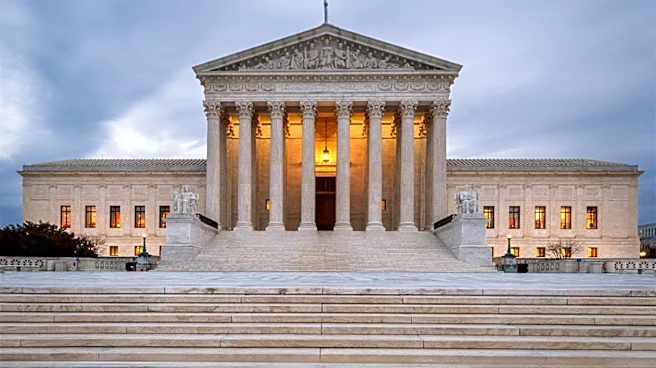


Eugene V. Debs, a prominent socialist leader and union organizer, faced significant legal challenges in his lifetime. Two notable Supreme Court cases, In re Debs (1895) and Debs v. United States (1919), highlight the legal battles he encountered. These cases not only shaped Debs' life but also had lasting impacts on labor law and free speech in the United States.
In re Debs: The Pullman Strike
In 1894, Eugene V. Debs, as president of the American Railway Union, led the Pullman Strike,
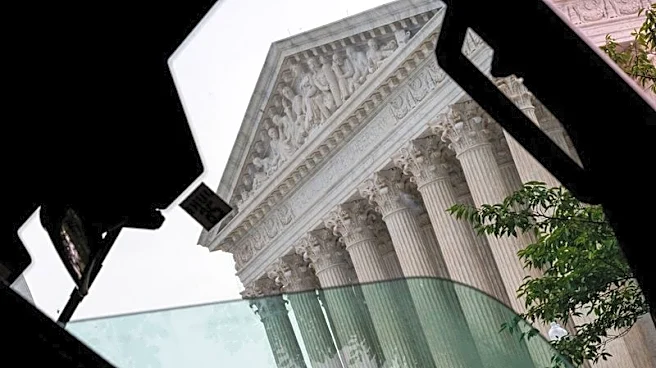
a nationwide railroad strike that significantly disrupted rail traffic. The federal government intervened, issuing an injunction ordering the strikers back to work. Debs defied this injunction, leading to his conviction for contempt of court. The case, In re Debs, reached the Supreme Court, which upheld the conviction.
The Supreme Court's decision in In re Debs was based on the federal government's authority under the Postal and Commerce Clause. The Court ruled that the government had the right to regulate interstate commerce and ensure the operation of the Post Office Department. This decision was a significant setback for labor unions, as it affirmed the government's power to intervene in labor disputes, particularly those affecting interstate commerce.
Debs v. United States: Free Speech and the Espionage Act
Years later, during World War I, Debs found himself in legal trouble again. In 1919, he was convicted under the Espionage Act for opposing the war. Debs had delivered a speech in Canton, Ohio, criticizing the war and urging resistance to the draft. His conviction was upheld by the Supreme Court in Debs v. United States.
The Court's decision in Debs v. United States was part of a series of cases that tested the limits of free speech under the First Amendment. The Court upheld Debs' conviction, ruling that his speech posed a clear and present danger to the nation's war effort. This case, along with others like Schenck v. United States, set a precedent for limiting free speech during times of national crisis.
The Legacy of Debs' Legal Battles
The legal battles faced by Eugene V. Debs had a profound impact on American law and society. In re Debs highlighted the federal government's power to regulate labor disputes, while Debs v. United States tested the boundaries of free speech. These cases underscored the tension between individual rights and government authority, a theme that continues to resonate in legal and political discourse today.
Debs' legacy as a champion of labor rights and free speech endures, and his legal challenges remain significant milestones in the history of American jurisprudence. His story is a testament to the enduring struggle for social justice and the complexities of balancing individual freedoms with national interests.