




Lycra, known generically as spandex or elastane, has profoundly reshaped the landscape of fashion and functional apparel since its invention in 1958. This synthetic fiber's exceptional elasticity brought unprecedented comfort and flexibility to clothing, moving beyond niche applications to become a ubiquitous component in modern wardrobes. Its journey from a revolutionary material to an everyday staple is a testament to its versatility, driven by
strategic marketing, celebrity endorsements, and its inherent ability to enhance both the aesthetics and practicality of garments.
The Celebrity Catalyst: Popularizing Lycra in the Public Eye
DuPont, the inventor of Lycra, understood the power of public perception and launched an extensive publicity campaign to introduce its new fiber. This campaign was instrumental in catapulting Lycra into the mainstream. Advertisements and full-page spreads in top women's magazines showcased the material's benefits, but it was the association with prominent figures that truly cemented its appeal. Audrey Hepburn, a style icon of her era, played a significant role in popularizing Lycra, both through her on-screen roles and her personal style. Her endorsement helped to associate Lycra with elegance and modernity.
Following Hepburn's lead, other models and actresses, such as Joan Collins and Ann-Margret, further amplified Lycra's presence. They posed in Lycra clothing for photo shoots and magazine covers, reinforcing its image as a fashionable and desirable material. This strategic use of celebrity influence helped to overcome any initial skepticism about a new synthetic fiber, establishing Lycra as a chic and innovative choice for consumers seeking both style and comfort in their clothing.
Adapting to Social Shifts: From Foundation Wear to Fitness Apparel
Lycra's initial market success was significantly tied to foundation garments, particularly girdles, which benefited greatly from its superior elasticity and shape retention. However, societal changes in the mid-1970s, particularly the rise of the women's liberation movement, led to a decline in girdle sales. These garments began to be perceived as restrictive and emblematic of an outdated era, prompting DuPont to adapt its marketing strategy.
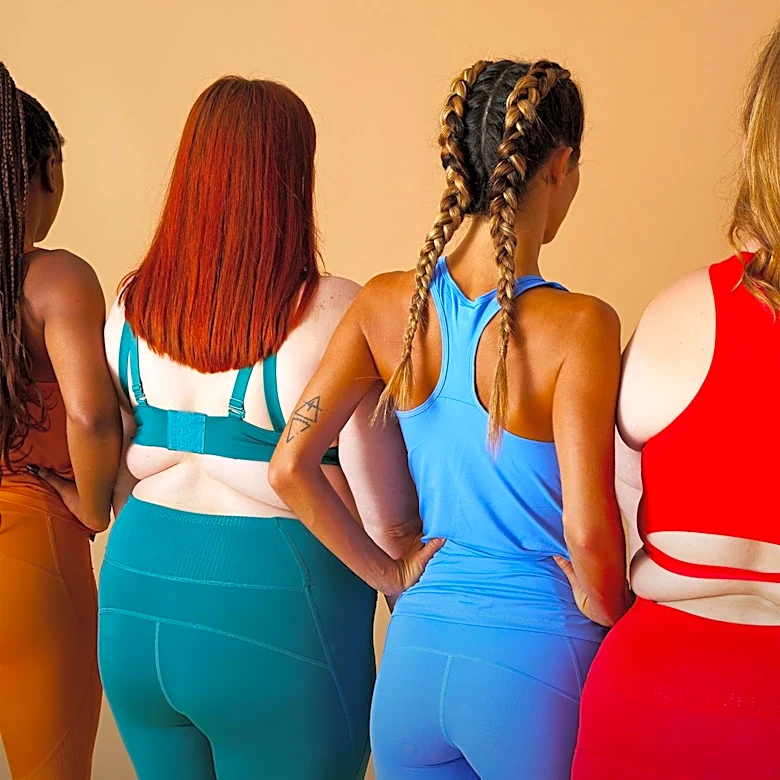
The company successfully pivoted Lycra's image to align with the burgeoning aerobic fitness movement of the 1970s. The fiber's association with athletic performance had already been subtly established at the 1968 Winter Olympic Games, where the French ski team wore Lycra garments. This connection was further leveraged, positioning Lycra as the ideal material for activewear. Its ability to stretch up to five times its length and quickly return to its original shape, combined with its strength and quick-drying properties, made it perfect for sportswear. Lycra became especially popular in mid-thigh-length shorts worn by cyclists, solidifying its role in the fitness apparel market.
Ubiquity in Modern Clothing: The Everyday Stretch
Today, Lycra's influence extends far beyond specialized sportswear. Its unique properties—significant strength, elasticity, and ability to return to its original shape—make it an invaluable component in a vast array of garments. For most clothing applications, Lycra is blended with other fibers like cotton or polyester, typically accounting for a small percentage of the final fabric. This blend allows the garment to retain the aesthetic and tactile qualities of the primary fiber while gaining the benefits of stretch and comfort.
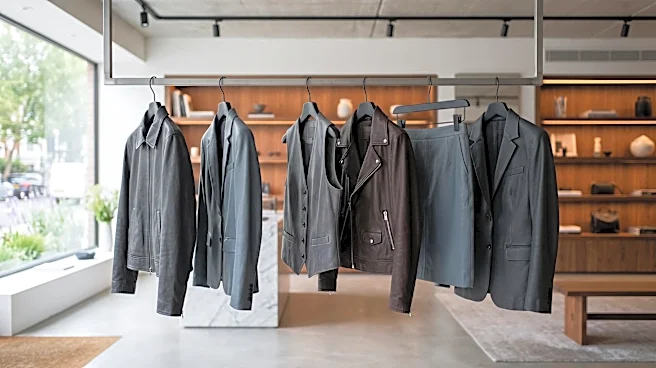
This integration has made Lycra almost invisible yet indispensable in everyday wear. From stretch jeans and comfortable office wear to socks and intimate apparel, Lycra enhances the fit, comfort, and durability of countless items. By 2010, an estimated 80% of clothing sold in the United States contained spandex, the generic term for Lycra. This widespread adoption underscores Lycra's profound and lasting impact on how clothes are designed, worn, and experienced, making comfort and flexibility an expected standard in modern apparel.