




Elysian Fields in Hoboken, New Jersey, was more than just a venue for baseball; it was a vibrant center for various sports and recreational activities in the 19th century. This article explores how Elysian Fields served as a hub for sports like cricket and yachting, alongside its role in the early days of baseball.
A Diverse Sporting Venue
Established in the 1820s and 1830s, Elysian Fields was a recreational parkland that offered New Yorkers a much-needed escape from the city's
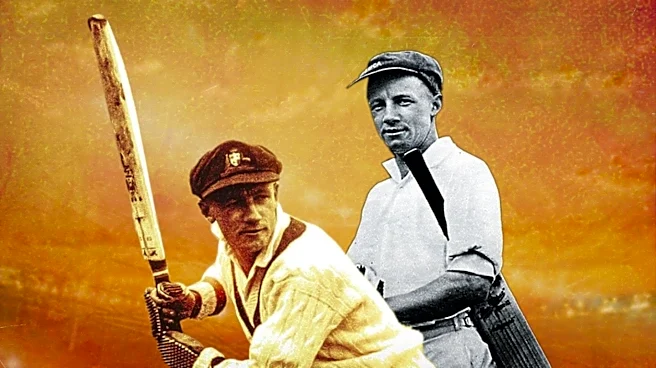
hustle and bustle. The fields were not only home to baseball but also hosted cricket matches, which were quite popular at the time. The St. George Cricket Club, formed in Manhattan in 1839, made Elysian Fields its home grounds in the 1850s, further diversifying the sports played there.
In addition to cricket, the New York Yacht Club established quarters at Elysian Fields, making it a center for yachting activities. The fields' location along the Hudson River made it an ideal spot for boating competitions, adding to its allure as a multi-sport venue. This diversity of sports activities helped Elysian Fields become a significant recreational destination in the 19th century.
The Social and Economic Impact
Elysian Fields was not just a sports venue; it was a social hub that attracted people from all walks of life. The fields provided a space where New Yorkers could enjoy leisure activities, from picnics to nature walks. This made it a popular destination for families and individuals looking to escape the city's confines.
The economic impact of Elysian Fields was also significant. The Stevenses, who owned the land, capitalized on its popularity by selling real estate and developing the area. By the time Edwin Stevens died in 1868, the real estate company's holdings were valued at $20 million, excluding the Elysian Fields and other waterfront land worth an additional $15 million. This economic success was partly due to the fields' role as a sports and leisure destination.
Decline and Legacy
As the 19th century progressed, the prominence of Elysian Fields began to decline. The construction of enclosed sports venues in Brooklyn and the completion of Central Park in New York offered new alternatives for sports and recreation. The St. George Cricket Club moved to New York in 1865, and the New York Mutuals shifted their baseball games to Brooklyn in 1868.
Despite its decline, the legacy of Elysian Fields as a hub for 19th-century sports endures. It remains a symbol of a time when sports and leisure were becoming integral parts of American life. The fields may no longer host the bustling activities of the past, but their impact on the development of sports in the United States is undeniable.