






Gochujang, a savory, sweet, and spicy fermented condiment, is a cornerstone of Korean cooking, celebrated for its versatility and depth of flavor. It is one of the three fundamental condiments in Korean cuisine, alongside ganjang (soy sauce) and doenjang (fermented soybean paste). This vibrant red paste is not merely a spicy addition; it contributes a rich, piquant taste that can also introduce sweetness and a smoky nuance to dishes, depending on the capsaicin
content of the chili used. Its widespread use spans from flavoring stews and marinating meats to serving as a direct condiment, making it an indispensable element in countless traditional and modern Korean recipes.
Core Applications in Korean Dishes
Gochujang is extensively used to enhance the flavor of a wide array of Korean dishes. It is a primary ingredient in popular street foods like tteokbokki, where it provides the signature spicy and slightly sweet sauce for rice cakes. In heartier meals, gochujang is crucial for stews, such as gochujang jjigae, imparting a robust and comforting heat. It also serves as a key marinade component for meats, exemplified in dishes like gochujang bulgogi, where it tenderizes and infuses the meat with its distinctive spicy-sweet profile.
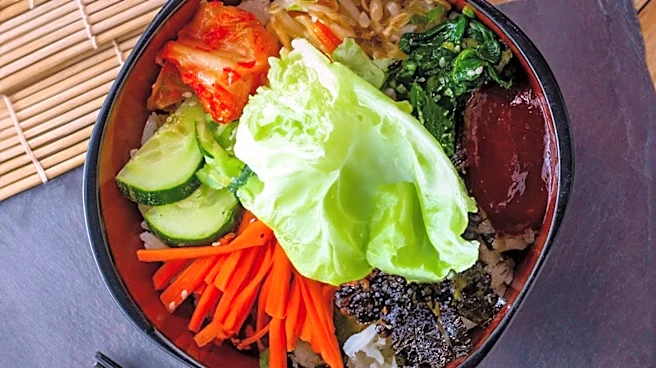
Beyond these, gochujang is a common condiment for iconic dishes like bibimbap, a mixed rice dish, and naengmyeon, cold noodles, allowing diners to adjust the spiciness to their preference. Its ability to add not just heat, but also sweetness and a smoky depth, makes it a dynamic ingredient that can transform the character of a dish. Whether stirred into a soup or spread over grilled meat, gochujang consistently delivers a complex flavor that is central to Korean culinary identity.
Popular Gochujang Variants
The versatility of gochujang extends to its use as a base for creating other specialized condiments. One notable variant is chogochujang, also known as gochujang vinaigré. This version is made by combining gochujang with vinegar and other seasonings, which often include sugar and sesame seeds. Chogochujang is typically served as a dipping sauce, particularly popular with raw fish (hoe) and hoedeopbap, a dish featuring raw fish over rice.
Another widely used variant is ssamjang, which is a mixture primarily composed of gochujang and doenjang, often enhanced with chopped onions and other spicy seasonings. Ssamjang is a staple condiment for ssam, a Korean dish where grilled meat, such as pork, is wrapped in lettuce leaves along with rice and other accompaniments. The combination of gochujang's spiciness and doenjang's earthy, savory notes creates a balanced and flavorful paste that complements the grilled meats and fresh vegetables. These variants demonstrate how gochujang's fundamental flavor can be adapted and expanded to suit different culinary contexts and preferences within Korean gastronomy.