

The Concert in Central Park, a live album released in 1982, captured a momentous event in music history: the temporary reunion of the iconic folk-rock duo Simon & Garfunkel. Held on September 19, 1981, in New York City's Central Park, this benefit concert drew an astonishing crowd of over 500,000 people. Beyond its massive attendance, the concert was significant for bringing Paul Simon and Art Garfunkel back together on stage after years of individual
careers, offering fans a chance to relive their classic sound while also supporting a vital cause for the city.
The Genesis of a Reunion
The idea for a benefit concert in Central Park originated with Gordon Davis, the park's commissioner, and was championed by concert promoter Ron Delsener. The cable television channel HBO agreed to organize the event, working with Delsener to secure the performers. The choice of Simon & Garfunkel was particularly apt. The duo, formed in New York in the 1960s, had been one of the most influential folk-rock groups of their era, but had separated at the peak of their popularity shortly after the release of their fifth studio album, "Bridge over Troubled Water." This album is often considered the artistic pinnacle of their career.
For eleven years following their split, the two artists, who had experienced personal tensions, pursued solo musical careers, collaborating only very occasionally. Garfunkel had made a few brief, successful appearances at Simon's concerts, hinting at the potential for a larger reunion. Delsener presented the concert project to Paul Simon in the summer of 1981. Simon, though initially enthusiastic, harbored doubts about its financial success, especially given the low public attendance for his recent autobiographical film, "One-Trick Pony." He had also been seeking treatment for depression and questioned whether he and Art Garfunkel could still effectively work together.
A Homecoming for New York's Own
Despite his reservations, Simon contacted Garfunkel, who was on vacation in Switzerland at the time. Garfunkel embraced the idea and immediately returned to the United States. For the promoters, Simon & Garfunkel were an ideal choice not only for their potential to draw a huge crowd but also because of their deep roots in New York City. Both artists had grown up and attended school in Forest Hills, Queens. Music critic Stephen Holden noted that, unlike many artists who sought lifestyles elsewhere, Simon and Garfunkel consistently chose to remain in New York. Their music often drew inspiration from the city's urban landscape and its multicultural life, reflecting these influences in their songs.
The Concert Experience and Its Legacy
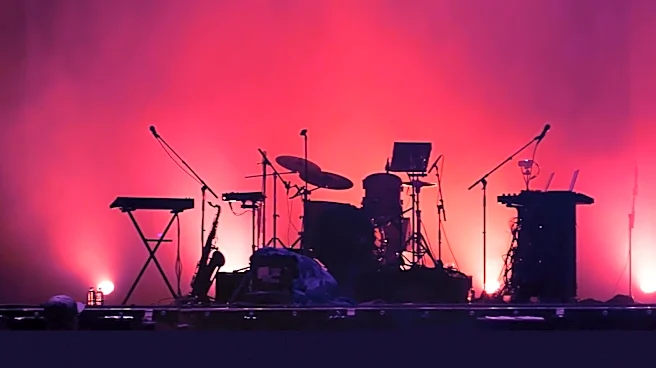
The concert itself was a grand affair. New York City Mayor Ed Koch opened the show, after which Simon & Garfunkel performed 22 songs. Their repertoire included their greatest hits, covers, and selections from their solo careers. Two of the songs performed were ultimately not included on the live album. The event was a massive success, with the album and a film of the concert released the following year. The duo's performance was critically acclaimed, and the album achieved significant commercial success, reaching number six on the Billboard music chart and earning double platinum certification from the Recording Industry Association of America. The video recording was initially broadcast on HBO and later became available on VHS and DVD. Despite the concert's success, personal tensions prevented the duo from continuing their reunification, making this event a memorable, albeit temporary, return to their shared musical legacy.