


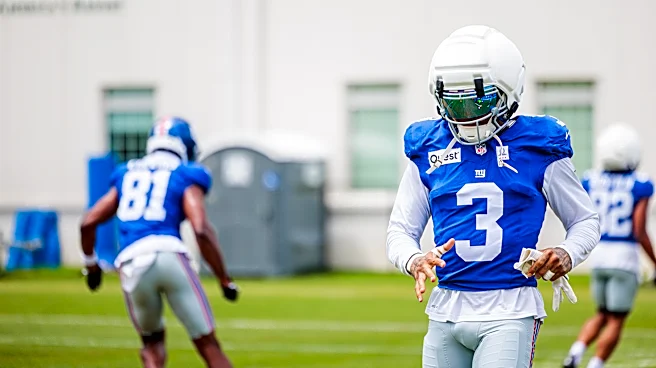

In the competitive world of the National Football League (NFL), rivalries are often forged through divisional battles or historical clashes. However, the rivalry between the New York Giants and the New York Jets possesses a truly unique dimension: both teams have shared the same home stadium for decades. This intra-city, interconference matchup is not just about two teams vying for local supremacy; it's a complex "sibling rivalry" shaped by the practicalities,
symbolism, and occasional disputes that arise from cohabiting the same professional sports venue. This shared existence has profoundly influenced the nature and perception of their long-standing competition.
The Practicalities and Symbolism of Sharing a Venue
The decision for the New York Jets to move into Giants Stadium in 1984 marked a significant shift in the landscape of the NFL and the dynamic of their rivalry with the New York Giants. Prior to this, the Jets had played at Shea Stadium. The move meant that for the first time, two NFL teams from the same metropolitan area would regularly share a single home field. This arrangement immediately created a unique situation, often referred to as "the shortest road trip in the league" when one team was designated as the "away" team against the other. The shared stadium fostered an inherent "sibling rivalry," as both teams literally played at and shared the same facility, leading to a constant, if sometimes subtle, comparison and competition for local fan allegiance.
The symbolism of sharing a stadium runs deep. It implies a certain level of co-existence and even partnership, yet it also highlights the underlying competition. For fans, it means that the physical space where their team plays is also the home turf of their local rival. This duality adds an extra layer of intrigue and intensity to their matchups, as each game becomes not just a contest for victory, but also a battle for dominance within their shared home. The very act of sharing a stadium ensures that the rivalry remains ever-present, even when the teams are not directly playing each other in the regular season.
The Naming Rights Dispute and Its Reflection of Team Power
One of the most prominent manifestations of the "sibling rivalry" within the shared stadium context was the dispute over the naming of Giants Stadium. When the Jets moved in for the 1984 NFL season, many of their fans naturally assumed the stadium's name would be changed to reflect the presence of both teams. However, the Giants, despite not being the owners of the stadium, held the authority to approve any such change and ultimately vetoed the proposal. This refusal to reconsider, even as naming rights became increasingly common and lucrative across the league, underscored the Giants' established position and influence within the shared arrangement.
In response to this perceived slight and the Giants' dominance in the naming, the Jets resisted referring to the stadium by its official name. Instead, they often called it "The Meadowlands," a more generic geographical reference. This subtle act of defiance highlighted the underlying tension and the struggle for equal footing within their shared home. The naming of the stadium, therefore, became a symbolic battleground, with the Giants' ability to maintain their name on the venue often seen as them "overshadowing" the Jets. This episode clearly demonstrated how even administrative details could fuel the competitive spirit between the two franchises.
From Shared Tenancy to Joint Ownership
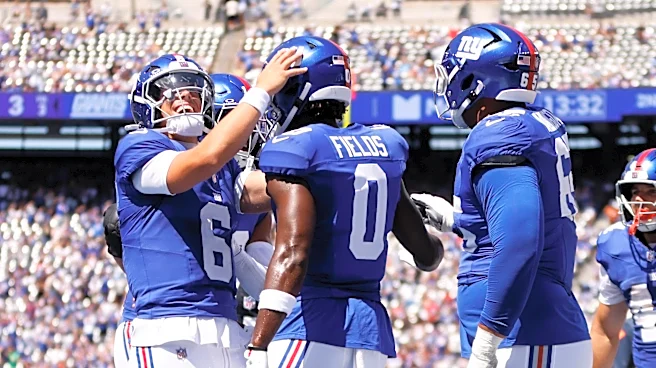
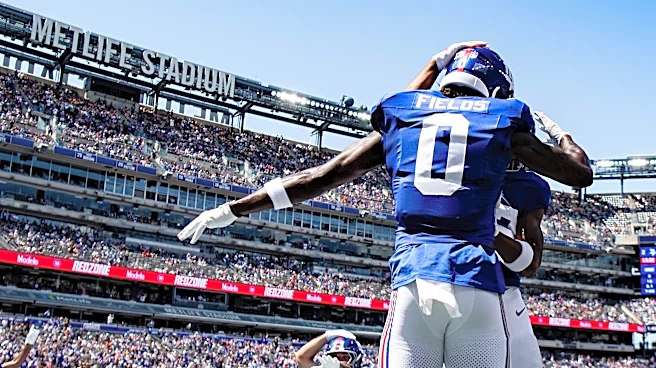
Despite the initial tensions and the "big sibling rivalry" that sometimes manifested in "trash talk" between players, the unexpected and time-tested partnership between the Giants and Jets only grew stronger over the 26 years they shared Giants Stadium. This long period of cohabitation, from 1984 to 2009, eventually led to a more equitable and collaborative arrangement for their next home. Since 2010, both teams have shared MetLife Stadium, a venture in which the two franchises hold a fifty percent share each. This joint ownership represents a significant evolution in their shared stadium dynamic.
The transition to MetLife Stadium, where both teams are equal partners, signifies a maturation of their relationship. It moved beyond one team being a tenant in another's named stadium to a true joint venture. This arrangement ensures that both teams have an equal stake and voice in the management and operation of their home field. While the rivalry on the field remains, the off-field partnership in managing MetLife Stadium demonstrates a unique level of cooperation between two direct competitors, further cementing the distinct nature of the Giants-Jets rivalry within the NFL. This shared ownership model is a testament to how their unique co-existence has evolved over decades.