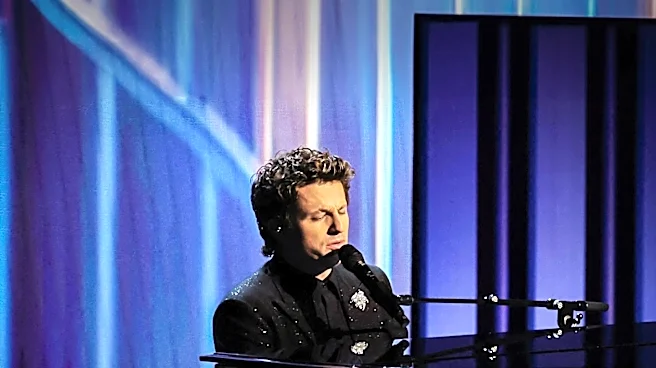







"Eye of the Tiger" by Survivor is more than just a song; it's a cultural icon. Originally written for the 1982 film Rocky III, the song quickly transcended its cinematic roots to become a staple in sports and media. Its powerful beat and motivational lyrics have made it a go-to anthem for athletes and a popular choice in various media contexts.
From Film to Fame
"Eye of the Tiger" was specifically written at the request of actor Sylvester Stallone for his film Rocky
III. Stallone initially wanted to use Queen's "Another One Bites the Dust," but when that didn't work out, he turned to Survivor. The band delivered a track that perfectly captured the film's themes of determination and resilience. The song's inclusion in Rocky III was a pivotal moment, as it played during a montage of the protagonist training for a big fight. This association with the underdog story of Rocky Balboa helped cement the song's place in popular culture.
The song's success was immediate and overwhelming. It topped the U.S. Billboard Hot 100 for six weeks, a testament to its widespread appeal. Its catchy rhythm and empowering message resonated with audiences, making it a favorite not just in the context of the film but also as a standalone hit.
A Sports Anthem
Beyond its cinematic origins, "Eye of the Tiger" found a second life in the world of sports. Its driving beat and motivational lyrics make it an ideal soundtrack for athletes looking to get pumped up before a game or competition. The song's association with sports is so strong that it has become a cliché in its own right, often used in montages and highlight reels.
The song's popularity in sports is not limited to professional arenas. It is frequently played at high school and college sporting events, where its message of perseverance and strength continues to inspire young athletes. This widespread use in sports has helped keep the song relevant for decades, introducing it to new generations of fans.
Political and Media Usage
"Eye of the Tiger" has also been used in political campaigns, most notably by Republican presidential candidate Newt Gingrich, who used it without permission, leading to a lawsuit by Survivor. This incident highlights the song's broad appeal and its ability to energize and motivate audiences, regardless of the context.
In addition to politics, the song has been featured in various films and television shows, further solidifying its status as a cultural touchstone. Its use in media often serves to underscore themes of struggle and triumph, making it a versatile choice for storytellers.
In conclusion, "Eye of the Tiger" has become more than just a song from a movie soundtrack. Its journey from the silver screen to sports arenas and political rallies demonstrates its enduring power and universal appeal. As a cultural phenomenon, it continues to inspire and motivate, proving that its roar is as loud today as it was in 1982.