


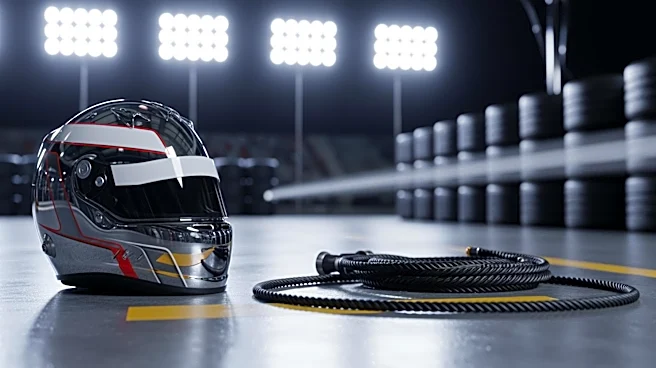


The role of race marshals in motorsports has evolved significantly over the years, adapting to changes in racing technology, safety standards, and event complexity. From their early beginnings to their current status as essential figures in racing, marshals have continually adapted to meet the demands of the sport.
Early Days of Race Marshaling
In the early days of motorsports, race marshals were primarily responsible for basic rule enforcement and crowd control. With fewer safety
measures in place, their role was limited to ensuring that races were conducted fairly and that spectators remained at a safe distance from the track. Communication with drivers was minimal, often relying on simple hand signals or rudimentary flags.
As motorsports grew in popularity and complexity, the need for more structured and effective race management became apparent. This led to the development of standardized flag systems and the introduction of more comprehensive safety protocols. Marshals began to receive training in these new systems, allowing them to communicate more effectively with drivers and respond to incidents on the track.
Advancements in Safety and Communication
The introduction of advanced safety measures and communication technologies has transformed the role of race marshals. Today, marshals are equipped with a variety of tools to ensure the safety of both drivers and spectators. The use of radio communication, for example, allows marshals to coordinate with other officials and safety personnel in real-time, ensuring a swift response to any incidents.
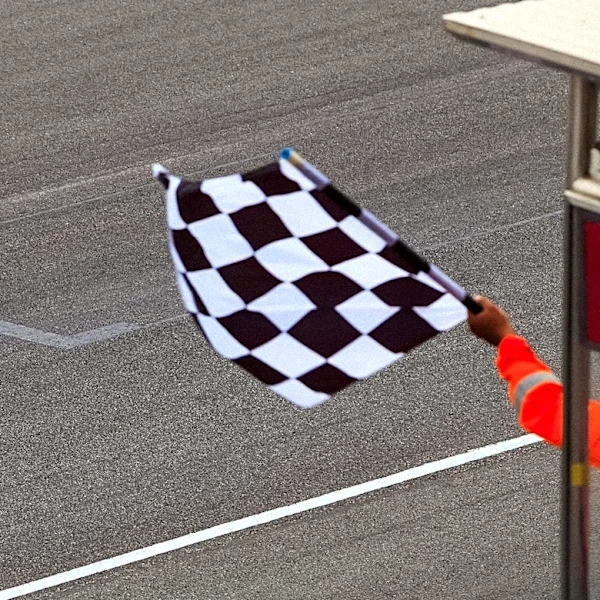
The flag system has also become more sophisticated, with each color representing a specific message to drivers. This system enables marshals to convey important information quickly and accurately, helping to prevent accidents and maintain the flow of the race. The evolution of these communication methods has been crucial in enhancing the overall safety and efficiency of motorsports events.
The Modern Role of Race Marshals
In modern motorsports, race marshals are integral to the successful execution of events. Their responsibilities have expanded to include not only rule enforcement and communication but also emergency response and incident management. Marshals are often the first on the scene in the event of a crash, providing immediate assistance to drivers and coordinating with medical teams.
The role of race marshals continues to evolve as motorsports technology advances. With the introduction of new safety features and racing formats, marshals must stay informed and adaptable to meet the changing needs of the sport. Their dedication and expertise are vital to the continued success and safety of motorsports, making them an indispensable part of the racing community.