

While often associated with humans, alopecia, or hair loss, is a condition that affects a wide array of animals across the globe. This condition manifests as areas on the body surface that are typically covered in hair, but where hair is absent. Alopecia can impact both wild and captive organisms, though it tends to be more prominent in captive environments. For animals, the development of alopecia is usually a significant indicator of an underlying
disease or other health issue, highlighting the importance of understanding its various causes and implications for animal welfare.
Prevalence and Genetic Predisposition in Animals
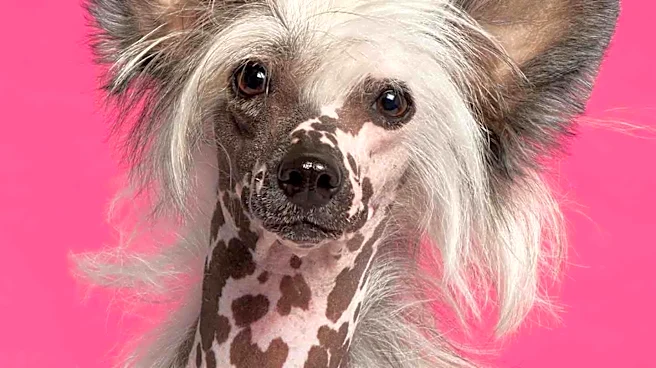
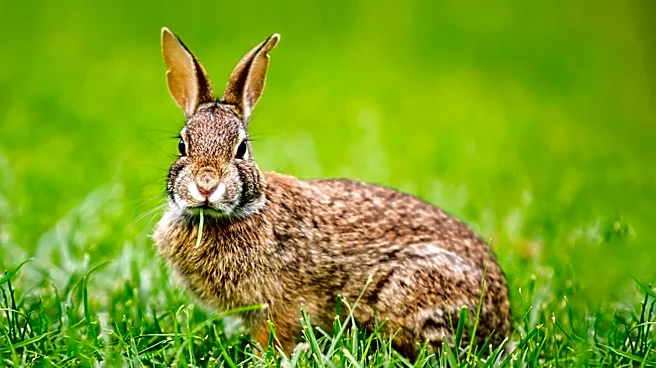
Alopecia in animals is not a rare occurrence and can be observed in a diverse range of species. Some animals are genetically predisposed to hair loss. For instance, certain breeds have been selectively bred to exhibit baldness, including specific types of rabbits, guinea pigs, Syrian hamsters, mice, rats, and cats. Beyond these intentionally bred varieties, other animals naturally experience or are vulnerable to alopecia. Canine pinnal alopecia, for example, is most common in dachshunds, but also affects Chihuahuas, Boston terriers, whippets, and Italian greyhounds.
The condition can also affect wild organisms, but it is often more prominent in captive contexts. Animals like Moluccan cockatoos, spectacled bears, hedgehogs, raccoons, squirrels, baboons, and chimpanzees are among those that can experience hair loss. The inclusion of baboons and chimpanzees is particularly notable given their close genetic relationship to humans, sharing 98% of human genes. This broad spectrum of affected species underscores that alopecia is a widespread biological phenomenon, not limited to a single branch of the animal kingdom.
Diverse Causes of Animal Alopecia
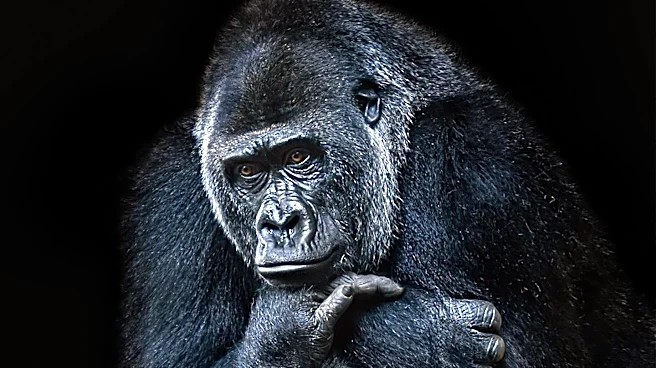
The causes of alopecia in animals are remarkably varied, often pointing to complex interactions between genetics, environment, and health. Diet and nutrition play a crucial role; a lack of sufficient protein, for instance, caused various health issues including alopecia in a group of captive gorillas in Gabon. Conversely, ingesting certain plants in the wild can also lead to hair loss if consumed in excessive quantities. An example is the presence of mimosine, an amino acid in Leucaena leucocephala plants, which has caused alopecia in ring-tailed lemurs in Madagascar that consume this plant.
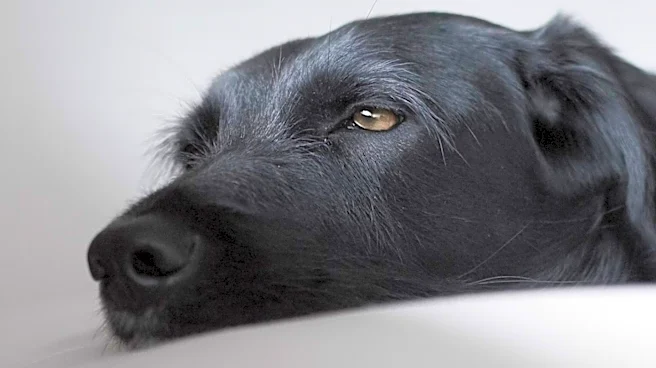
Hormonal and endocrine conditions are another significant factor. Endocrinological issues such as Cushing's syndrome (hyperadrenocorticism) and hyperthyroidism can cause localized alopecia. In dogs, hyperadrenocorticism often results in hair loss on the trunk region, while hyperthyroidism tends to affect areas experiencing rubbing, such as the joints of the limbs and the tail. Parasites also contribute to alopecia in both wild and captive organisms. Ectoparasites have caused hair loss in ungulates like moose and deer. For example, moose in parts of Europe have experienced alopecia due to high parasitic loads of Lipoptena cervi, or deer ked. Chewing lice have indirectly led to hair loss in deer by causing behavioral modifications, as affected individuals spend more time grooming targeted areas. Sarcoptic mange, a contagious dermatological disease in dogs caused by mites, frequently includes alopecia among its main symptoms.
Environmental and Behavioral Factors
Beyond internal biological causes, external environmental and behavioral factors significantly influence alopecia in animals, particularly in captive settings. Pregnancy has been associated with alopecia in various animals; more severe hair loss has been observed in pregnant rhesus macaques, and birth and post-partum related alopecia have been documented in dogs.
Characteristics of captive enclosures can also impact the presence and extent of alopecia. For instance, the severity of alopecia in primates tends to be greater in those inhabiting smaller or exclusively interior environments. High animal density in enclosures is also associated with alopecia, as it can induce stress-related physiological or behavioral changes leading to hair loss. Even the type of material used to cover the ground can play a role, with greater hair loss observed in primates housed on gravel surfaces. Stress itself can lead to hair loss in two ways: animals may over-groom as a coping mechanism to reduce stress, or stress itself can directly cause hair to fall out. Hair-pulling, defined as pulling hair with fingers or teeth from oneself or a partner, is a behavioral cause of alopecia, often seen in captive primates. This behavior is also known as barbering in mice and feather picking in birds. Overgrooming, where individuals spend more time grooming than necessary, is another behavioral cause, observed in captive primates and cats, sometimes stemming from insufficient access to adequate foraging opportunities. Environmental enrichment has been successfully used in some cases to mitigate these behaviors, improve alopecia, and address welfare concerns.