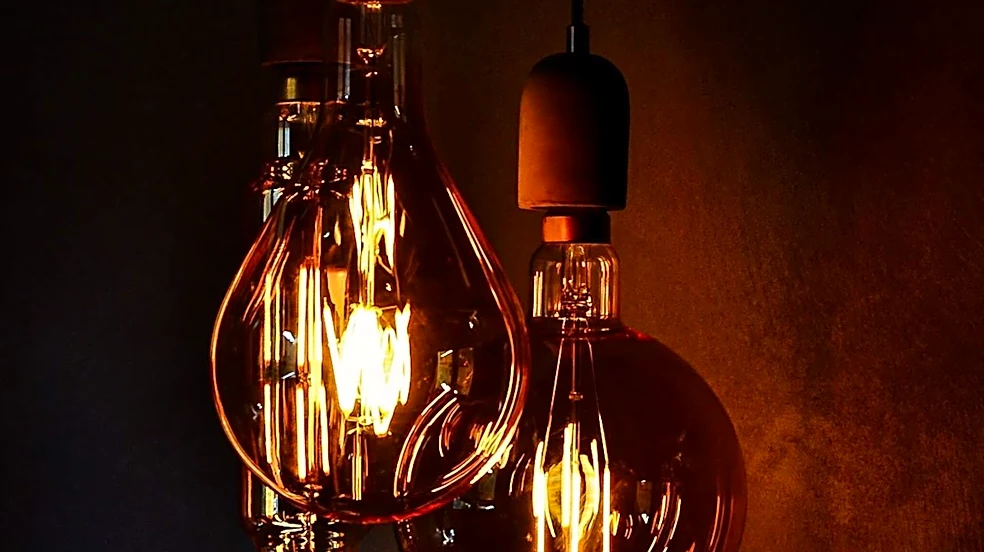





Edison-style light bulbs, with their distinctive exposed filaments and warm glow, have experienced a remarkable resurgence in popularity, transforming from historical curiosities into a defining element of contemporary design. These bulbs, often reproductions of the carbon- or early tungsten-filament incandescent lamps from the turn of the 20th century, are easily recognized by their intricate internal filament windings and the very warm-yellow light they
emit, typically at a color temperature of 2200–2400 K. While modern lighting has largely shifted towards more energy-efficient technologies like compact fluorescent lamps and LEDs, the demand for these vintage-style bulbs has paradoxically increased, carving out a niche as "specialty lighting" often exempt from efficiency bans.
From Salvage to Specialty: The Reproduction Market
The journey of Edison-style bulbs into modern consciousness began in the 1980s, when Bob Rosenzweig, inspired by a salvage operation, started reproducing and selling faux-antique bulbs. Initially, these vintage-style reproductions were primarily sold to collectors and prop houses, catering to a niche market interested in historical accuracy or period aesthetics. This trend continued until the early 2000s, when new regulations in many countries began to ban low-efficiency lighting, pushing domestic lighting towards more energy-efficient alternatives.
Despite these regulations, or perhaps because of them, the demand for vintage bulbs grew. Positioned as "specialty lighting," Edison-style incandescent lamps often received exemptions from efficiency bans in many regions. This allowed them to persist in the market, appealing to those who valued their unique aesthetic over energy consumption. The market also saw the introduction of more contemporary "Edison light bulbs" designed to replicate the original's light color and bulb shape while offering improved energy efficiency, often utilizing modern tungsten coils which are inherently more efficient than their predecessors. These newer versions maintain the "exposed" look and frequently employ the "ST" long-pear bulb shape to preserve the vintage reproduction style, with LED retro types offering the highest energy efficiency.
The Aesthetic Spreads: From Restaurants to Global Cafes
The aesthetic appeal of Edison-style bulbs truly took hold in the 2010s, particularly within the restaurant industry. A 2010 article in The New York Times highlighted how some restaurants were hanging hundreds of these bulbs from their ceilings. The article noted that the bulb had become a staple for restaurant designers, whether in "hip hangouts tapping into the popular Victorian industrial look or elegant rooms seeking to warm up their atmosphere." This was attributed, in part, to the bulbs' ability to emulate candlelight and flatter both the dinner and the diner.
Within a few years, this design trend transcended national borders, spreading globally. By August 2016, design reporter Kyle Chayka observed in The Verge that new cafes worldwide were beginning to adopt a strikingly similar aesthetic, characterized by "the same raw wood tables, exposed brick, and hanging Edison bulbs," regardless of whether one was in Odessa, Beijing, Los Angeles, or Seoul. This widespread popularization of the look was later traced by Quartz to Brooklyn, New York, solidifying the Edison bulb's status as a key component of a globally recognized, modern vintage aesthetic. This enduring appeal underscores how a historical lighting technology has been reinterpreted and embraced as a symbol of warmth, nostalgia, and industrial chic in contemporary spaces.