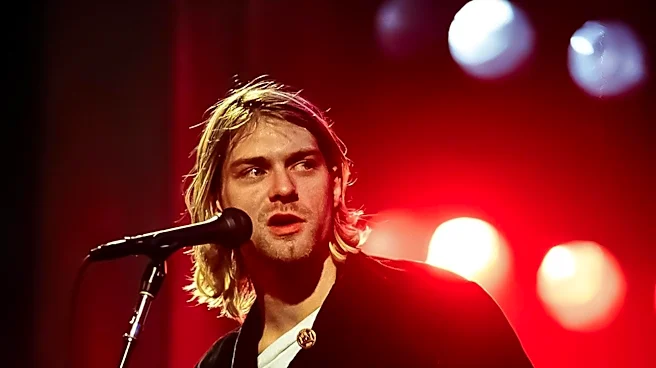




Nirvana's "MTV Unplugged in New York" is remembered not just as a powerful live album, but also as a significant departure from the established norms of the MTV Unplugged series. Recorded on November 18, 1993, at Sony Music Studios in Manhattan, the performance was part of a television series known for its acoustic, stripped-down sets. However, Nirvana, under the direction of Kurt Cobain, chose to subvert these expectations, delivering a performance that
was both intimate and defiantly unconventional. This approach led to initial disagreements with MTV but ultimately resulted in a critically acclaimed and enduring work.
Breaking from Tradition: Song Selection
One of the most striking ways Nirvana broke with MTV Unplugged tradition was through their song selection. The typical format for artists on the show involved performing their well-known hit singles and other popular original material in an acoustic setting. Nirvana, however, opted for a setlist that predominantly featured lesser-known original songs and a significant number of cover versions. This decision was a point of contention with MTV producers, who, according to producer Alex Coletti, were unhappy with the lack of hit Nirvana songs. The network reportedly desired a more commercially recognizable setlist.
Despite MTV's preferences, Nirvana performed songs by artists such as David Bowie, Lead Belly, Meat Puppets, and the Vaselines. This focus on covers and deeper cuts showcased a different side of the band, highlighting their influences and artistic breadth rather than simply re-presenting their chart-toppers. This choice contributed to the unique atmosphere of the performance, making it feel more like a curated musical journey than a greatest hits showcase.
Instrumentation and Guest Collaborations
Another deviation from the standard Unplugged format involved Nirvana's use of instrumentation. While the series was predicated on artists performing without electric amplification, Nirvana incorporated some electric amplification and effects into their performance. This subtle but significant choice allowed for a broader sonic palette than a strictly acoustic setup would permit, adding texture and depth to their sound while still maintaining an intimate feel.
Furthermore, the band expanded its lineup for the performance. They were joined by rhythm guitarist Pat Smear and cellist Lori Goldston, whose cello arrangements added a melancholic and rich layer to the acoustic sound. A particularly notable collaboration was the inclusion of Cris and Curt Kirkwood from the Meat Puppets for several songs. This choice of guest artists also went against MTV's initial desires, as the network had reportedly hoped for more mainstream guest appearances. The presence of the Kirkwood brothers not only honored Nirvana's influences but also provided a unique dynamic to the performance, especially during the Meat Puppets' cover songs.
The Impact of Unconventional Choices
The unconventional choices made by Nirvana for their Unplugged performance ultimately contributed to its lasting impact and critical success. The album, released on November 1, 1994, debuted at number one on the Billboard 200 and later won Best Alternative Music Performance at the 38th Grammy Awards in 1996. The decision to focus on lesser-known material and covers, combined with subtle electric elements and specific guest artists, created a performance that felt authentic and deeply personal. It offered fans a different perspective on Nirvana's artistry, moving beyond their grunge anthems to reveal a band with diverse influences and a willingness to challenge expectations.
The broadcast of the performance on December 16, 1993, and its subsequent repeated airings after Kurt Cobain's death, cemented its place in music history. The album's unique character, born from Nirvana's refusal to conform to typical Unplugged expectations, allowed it to stand out as a powerful and poignant document of the band's final period.