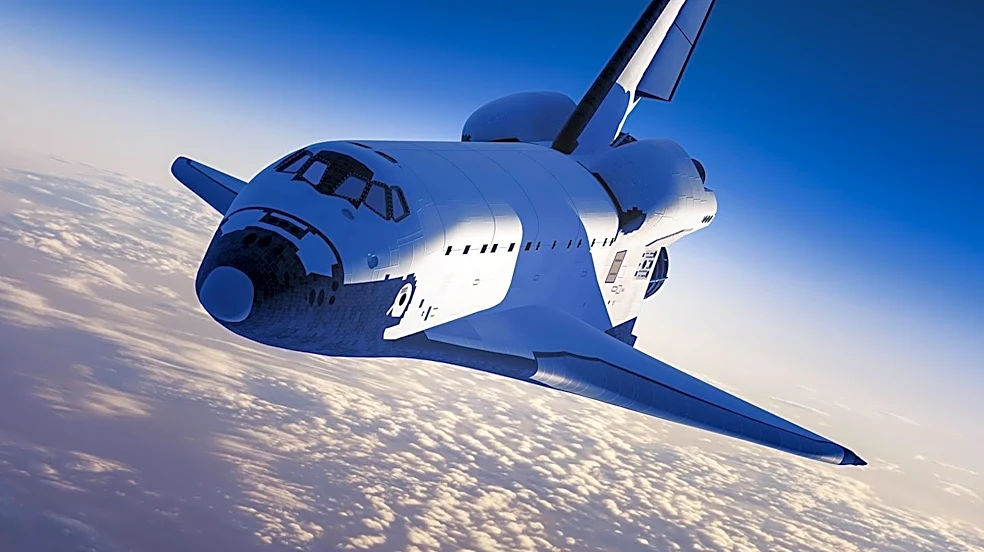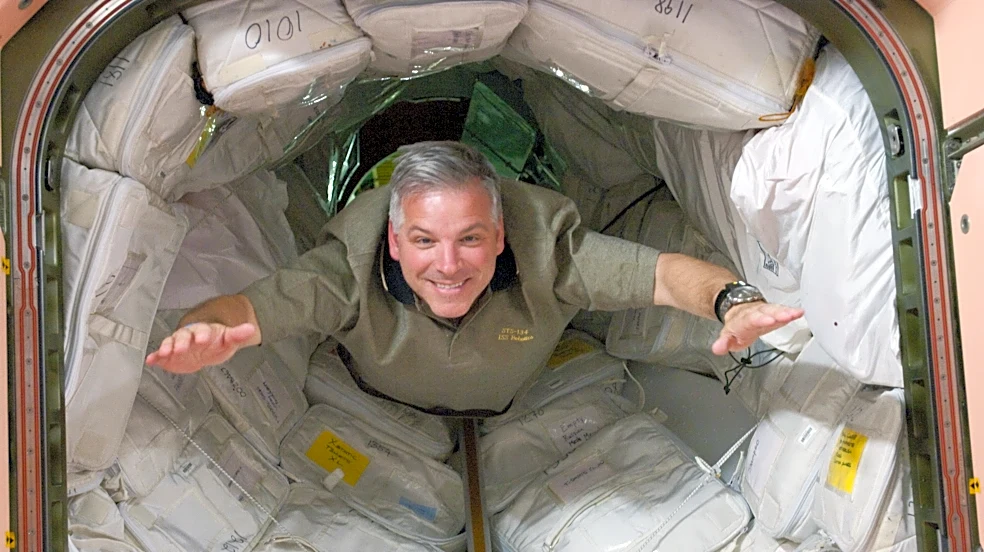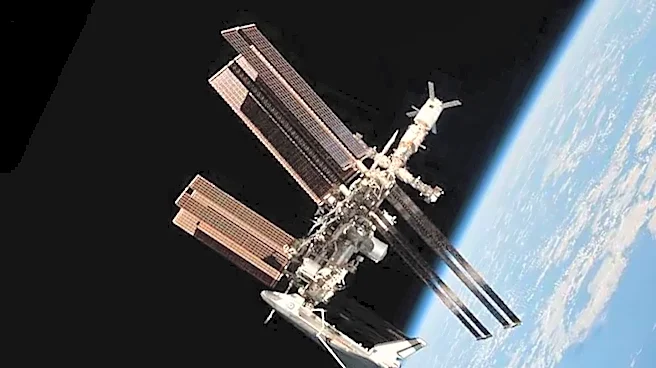




STS-34 marked a significant chapter in NASA's Space Shuttle program, utilizing the Space Shuttle Atlantis for its fifth flight. Launched on October 18, 1989, this mission was the 31st overall for the shuttle fleet and carried a crucial payload: the Jupiter-bound Galileo spacecraft. Beyond its scientific objectives, STS-34 also held historical importance as the first shuttle mission since the Challenger disaster to include two female astronauts in its crew.
The mission, lasting nearly five days, showcased the capabilities of the Space Shuttle system in deploying complex planetary probes and advancing human presence in space.
The Galileo Mission: A Journey to Jupiter
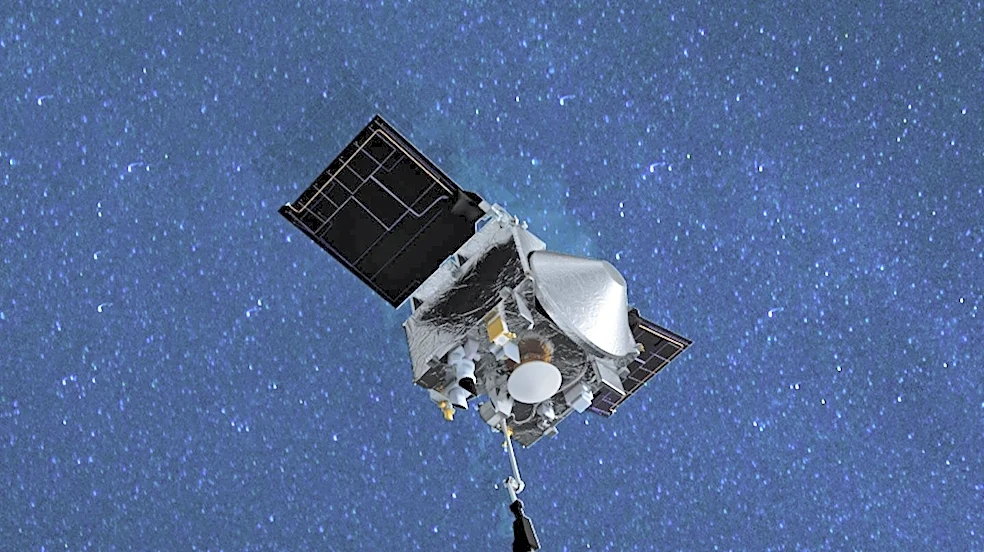
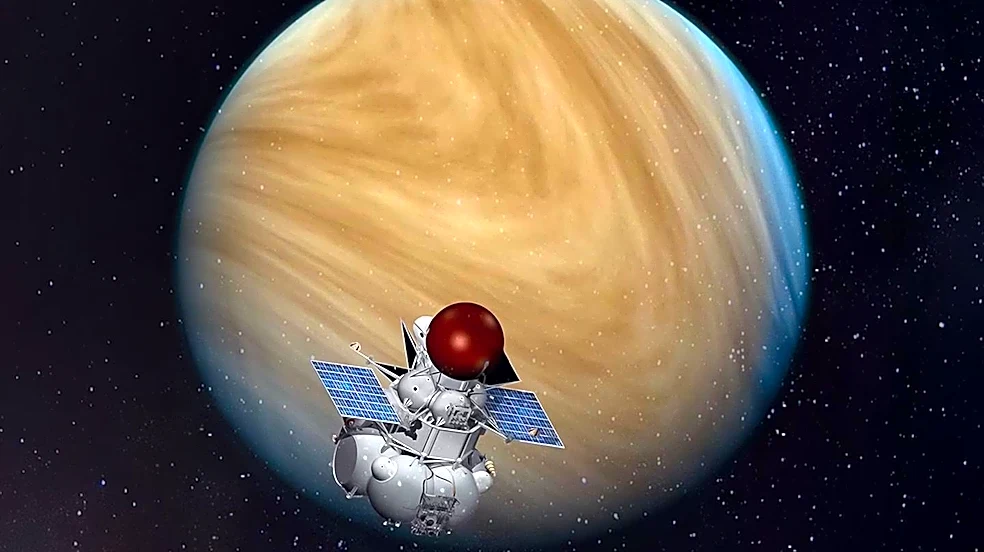
The primary objective of STS-34 was the deployment of the Galileo spacecraft, destined for Jupiter. This marked only the second time a planetary spacecraft was deployed from a Space Shuttle, following the Magellan spacecraft's deployment during STS-30. Galileo, equipped with an Inertial Upper Stage (IUS) booster, was successfully deployed on schedule, just over six hours after Atlantis lifted off. The IUS then propelled Galileo towards Venus, initiating the first leg of its six-year journey to the gas giant.
Galileo's trajectory was meticulously planned, requiring a triple gravity assist from Venus, Earth, and then Earth again, to gain the necessary momentum to travel from the inner solar system to Jupiter. This complex path also allowed for unique opportunities to observe asteroids 951 Gaspra and 243 Ida. The spacecraft itself comprised two main components: an orbiter designed to study Jupiter and its four largest moons for eight years, and a probe intended to descend into Jupiter's atmosphere for direct sampling before succumbing to the planet's extreme heat and pressure. Galileo was set to become the first spacecraft to orbit an outer solar system planet, penetrate its atmosphere, conduct extended observations of the Jovian system, and perform the first asteroid flybys.
Crew and Historical Significance
The STS-34 crew consisted of five astronauts: Commander Donald E. Williams, Pilot Michael J. McCulley, and Mission Specialists Shannon Lucid, Franklin Chang-Díaz, and Ellen S. Baker. For Williams, Lucid, and Chang-Díaz, this was their second spaceflight, while McCulley and Baker were making their first. Notably, the presence of both Shannon Lucid and Ellen Baker marked a significant milestone, as STS-34 was the first shuttle mission since the Challenger disaster in 1986 to have two female astronauts on board, underscoring a return to broader crew diversity in spaceflight.
Franklin Chang-Díaz, a native of Costa Rica, also played a unique role during the mission. On October 21, 1989, he engaged in a special telephone linkup with Costa Rican President Dr. Óscar Arias, who commended Chang-Díaz for representing Costa Rica and Latin America. Chang-Díaz also took the opportunity to explain the mission's objectives in Spanish to listeners in Costa Rica, fostering international connection and understanding of space exploration.
Mission Operations and Minor Anomalies
The launch of STS-34 faced several delays. Originally targeted for October 12, 1989, the liftoff was rescheduled to October 17 to replace a faulty main engine controller. It was then postponed again to October 18 due to rain showers near the Kennedy Space Center, which violated launch commit criteria for a Return To Launch Site (RTLS) landing. Even on launch day, the countdown was briefly held to update the onboard computer for a change in the Transoceanic Abort Landing (TAL) site from Morocco to Spain due to heavy rain.
Despite these initial delays, the mission proceeded largely as planned. Several minor anomalies occurred during the flight, though none significantly impacted the mission's success. These included an alarm triggered by a gas generator fuel pump system heater failure, minor issues with the Flash Evaporator System for cooling, and a cryogenic oxygen manifold valve that remained closed. A Hasselblad camera also jammed twice, requiring the use of a spare. Astronaut Chang-Díaz later described his second flight as more "subdued" and mentioned that the flight was almost aborted in orbit three times due to malfunctions, but continued to avoid a potential "international incident" if Atlantis, carrying Galileo and its radioisotope thermoelectric generator, had to land in Senegal. The deployment of Galileo itself was a critical moment, with only a tight six-second window for success. Atlantis ultimately landed at Edwards Air Force Base on October 23, 1989, after completing 79 orbits and traveling 2,900,000 km (1,800,000 mi).