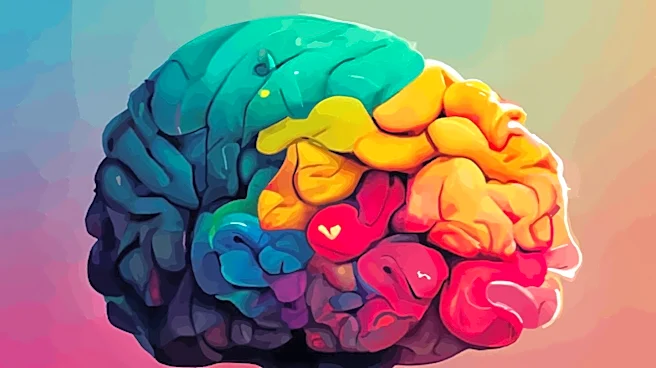










Serotonin, often referred to as 5-hydroxytryptamine (5-HT), is a neurotransmitter that plays a crucial role in mood regulation and various physiological functions. It is widely recognized for its involvement in mood disorders among humans, but its influence extends beyond that, affecting a range of behaviors and systems in both vertebrates and invertebrates. This article delves into the multifaceted role of serotonin in mood regulation and its broader
impact on behavior.
Serotonin and Mood Disorders
Serotonin is most commonly associated with mood disorders such as depression and anxiety. It acts as a neuromodulator, influencing various physiological systems, including cardiovascular and thermoregulation functions. In humans, serotonin's role in mood regulation is well-documented, with selective serotonin reuptake inhibitors (SSRIs) being a common treatment for depression. These medications work by increasing serotonin levels in the brain, thereby alleviating symptoms of mood disorders. The presence of serotonin in the central nervous system is crucial for maintaining emotional balance and stability.
Beyond its role in mood disorders, serotonin also affects circadian rhythms, appetite, and aggressive behavior. It modulates sensorimotor reactivity and learning, highlighting its importance in cognitive functions. The neurotransmitter's influence on pain sensitivity further underscores its role in behavioral responses. Serotonin's impact on these systems illustrates its broad reach in regulating mood and behavior, making it a key target for therapeutic interventions.
Serotonin in Other Organisms
Serotonin is not exclusive to humans; it is a widely present neuromodulator among vertebrates and invertebrates. In teleost fish and mice, serotonin has been linked to specific behaviors and neurological functions. These studies highlight the evolutionary significance of serotonin as a neurotransmitter, suggesting that its role in mood regulation is deeply rooted in biological systems.
In plants, serotonin serves as a defense chemical against fungi, indicating its protective role in non-animal organisms. For instance, wheat increases serotonin production when infected with certain fungi, although the exact function of this response remains poorly understood. This demonstrates serotonin's versatility as a biochemical agent, extending its influence beyond animal behavior to plant defense mechanisms.
Broader Implications of Serotonin
The widespread presence of serotonin across different species suggests its fundamental role in biological processes. Its involvement in mood regulation, behavior, and physiological functions highlights its importance in maintaining homeostasis. Understanding serotonin's mechanisms can lead to better therapeutic strategies for mood disorders and other conditions influenced by this neurotransmitter.
Serotonin's impact on mood and behavior is a testament to its significance in both human health and broader biological systems. As research continues to uncover its complexities, serotonin remains a focal point in the study of neuroscience and pharmacology.