

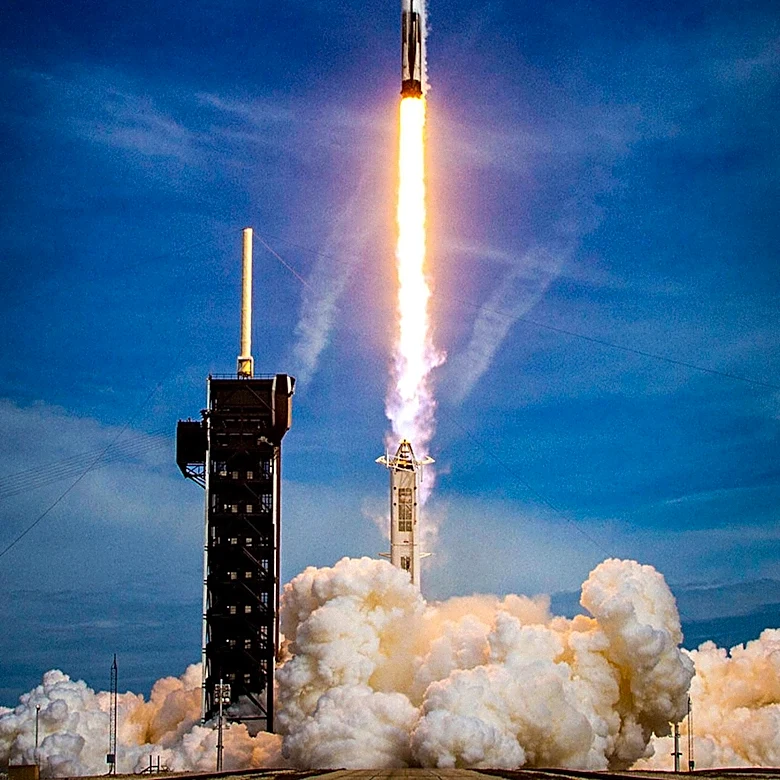


Mercury-Atlas 4 (MA-4) was more than just a test flight; it was a crucible for engineering innovation and problem-solving within NASA's Project Mercury. Launched on September 13, 1961, this uncrewed mission aimed to push the boundaries of space technology by evaluating the Mercury spacecraft's orbital performance and testing the Mercury Space Flight Network. The mission's success was not a foregone conclusion, as it emerged from a period of intense
technical scrutiny and modification, particularly concerning the Atlas booster and the Mercury capsule itself. The challenges faced and the solutions implemented during MA-4's development provided critical lessons that advanced the nascent field of human spaceflight.
Engineering the Atlas Booster for Reliability
The Atlas LV-3B rocket, designated 88-D for this mission, was central to MA-4's success, yet it presented significant engineering hurdles. Post-flight analysis of Mercury-Atlas 3 necessitated extensive modifications to the booster, delaying its factory rollout inspection until late June and its delivery to Cape Canaveral until mid-July. A persistent concern was the reliability of the Atlas autopilot. Engineers had to address a defective yaw rate gyro, which caused an initial launch delay. More critically, a suspected transient voltage issue had been implicated in the malfunction of Mercury-Atlas 3's programmer and Big Joe's staging failure. To mitigate this, Convair, the Atlas manufacturer, equipped the autopilot with a new counteracting capability, which MA-4 was specifically tasked to test.
Further refinements were made in response to an incident during the MIDAS 3 launch in July, where the Atlas vehicle experienced a programmer reset at staging. Although this did not prevent MIDAS 3 from reaching orbit, the incident prompted a thorough investigation. For Mercury vehicles, a modification was implemented to remove the programmer's ability to reset itself in flight, enhancing stability and predictability. The ongoing issues of rough combustion and gyroscope malfunctions, which had led to the destruction of two Atlas E vehicles in June, were also a major focus. While a new Spin Motor Rotation Detection System was being phased in, it would not be ready for MA-4, highlighting the continuous evolution of safety and reliability measures.
The Refurbished Mercury Capsule: Mercury #8A
The Mercury spacecraft for MA-4 was not a new unit but Mercury capsule #8A, a refurbished veteran of the Mercury-Atlas 3 launch. This decision presented its own set of technical considerations. Capsule #8A was one of the older models, featuring small port windows, lacking a landing bag, and equipped with a heavy locking mechanism on its hatch. Its reuse underscored the early program's resourcefulness but also meant working with existing design limitations. The capsule's payload was meticulously designed to gather comprehensive data, including a pilot simulator to test environmental controls, two voice tapes for network checks, a life support system, three cameras, and instruments to monitor noise, vibration, and radiation levels.
A significant technical challenge that affected both the Atlas and Mercury systems was the discovery that a specific brand of transistor was prone to forming solder balls. This defect was critical enough to halt preparations, leading to an entire week in late August dedicated to laboriously repairing these components across both the booster and the capsule. This painstaking effort was crucial to prevent potential electrical failures during flight, demonstrating the depth of technical scrutiny applied to every component.
Validating the Mercury Space Flight Network
Beyond the hardware, MA-4 was a critical test for the Mercury Space Flight Network. This global network of tracking stations was essential for maintaining communication and monitoring the spacecraft throughout its orbit. The inclusion of two voice tapes in the payload was a direct measure to test the network's capabilities, allowing ground controllers to practice tracking and communication protocols as if a human pilot were on board. The successful completion of MA-4's single orbit, covering 41,919 kilometers in 1 hour, 49 minutes, and 20 seconds, validated not only the spacecraft and booster but also the intricate ground support infrastructure. The mission's success confirmed that the network was ready to support crewed orbital flights, marking a pivotal moment in the technical readiness of Project Mercury.