


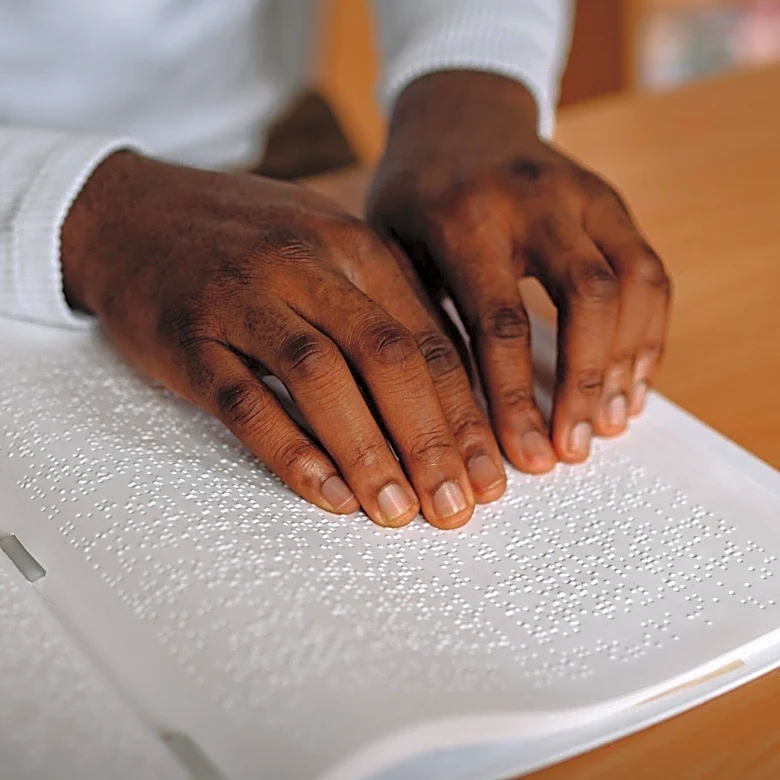




The Digital Accessible Information System, widely known as DAISY, represents a pivotal advancement in making literature accessible to individuals with print disabilities. More than just an audiobook format, DAISY is a comprehensive digital standard designed to empower users with navigation capabilities akin to those found in a traditional printed book. This innovation has profoundly enhanced the reading experience for people who are blind, visually
impaired, dyslexic, or have other conditions that make reading standard print challenging.
Core Functionality and Enhanced Navigation
At its heart, DAISY is a digital format that allows for sophisticated navigation through an audiobook. Unlike basic audio files, which typically offer only linear playback, DAISY books enable users to move seamlessly through content. This means a reader can jump to specific chapters, sections, or even pages, search for keywords, set bookmarks, and control playback speed without losing their place. This level of control transforms the passive listening experience into an active, engaged reading process, mirroring the interaction one has with a physical book.
For instance, the Norwegian Library of Talking Books and Braille (NLB) and the West German Audio Book Library for the Blind (WBH) both utilize the DAISY Digital Talking Book MP3 standard for their collections. This standard ensures that their users can not only listen to the audio but also navigate the written material effectively. The audio files within DAISY books are often in MP3 format, which allows for broad compatibility, but the true power of DAISY lies in its structured metadata that facilitates this advanced navigation.
Diverse Playback and Distribution Methods
DAISY books are designed for flexibility in how they can be accessed and consumed. They can be heard on dedicated standalone DAISY players, which are specifically engineered to leverage all the format's features. For computer users, various DAISY playback software options are available, such as EasyReader Express, which is often included with library audiobooks. There are also open-source players like CUCAT Olearia for Mac OS X, DAISY Book Reader for GNOME, Daisy Delight for Mac OS X and Unix-based systems, and daisy-player for Linux command-line use, demonstrating the standard's broad support across different operating systems.
Beyond specialized devices and software, DAISY books can also be played on mobile phones and even standard MP3 players, though the latter typically offers reduced navigation capabilities. This wide range of playback options ensures that users can access their books using the technology most convenient for them. Distribution of DAISY books is equally versatile, occurring via CD/DVD, memory cards, or through internet downloads and streaming services, making content readily available to users wherever they are.
The Versatility of Computerized Text DAISY Books
One of the most powerful aspects of the DAISY standard is its ability to integrate text with audio, creating what are known as computerized text DAISY books. These highly adaptable files offer multiple avenues for access. They can be read using a refreshable Braille display, allowing tactile access to the text, or through screen-reading software that vocalizes the on-screen content. For those who prefer physical formats, these books can be printed as traditional Braille books on paper or as large print books.
Furthermore, computerized text DAISY books can be converted into talking books using either synthesized voices or human narration, providing choice based on user preference. They can also be displayed as large print text directly on a computer screen, catering to individuals with low vision. This multi-modal approach underscores DAISY's commitment to providing a truly accessible and customizable reading experience, ensuring that print-disabled individuals can engage with literature in the way that best suits their individual needs and preferences.