



The return of Crew Dragon Demo-2 was a complex operation that required precise execution of various technical maneuvers. From undocking at the International Space Station (ISS) to the final splashdown in the Gulf of Mexico, each step was critical to ensure the safety of the crew and the success of the mission. This article delves into the technical challenges faced during this historic return.
Maneuvering Away from the ISS
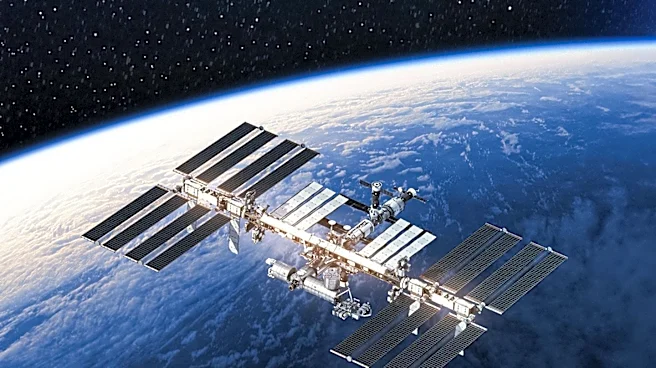
The undocking of Crew Dragon Demo-2 from the ISS was a meticulously
planned operation. At the time of undocking, the spacecraft weighed approximately 12,520 kg. The process involved four departure burns to safely distance the capsule from the ISS. These burns were crucial to ensure that the spacecraft followed a safe trajectory away from the station.
Following the departure burns, a phasing burn lasting over six minutes was executed. This burn was essential to place the capsule on the correct trajectory for reentry into Earth's atmosphere. The precision of these maneuvers was vital to avoid any potential collisions with space debris or the ISS itself.
Reentry and Descent
Reentering Earth's atmosphere posed significant challenges due to the high speeds and temperatures involved. The deorbit burn, lasting 11 minutes and 22 seconds, was a critical step in slowing down the spacecraft for reentry. Just before reentry, the nose cone was closed to protect the spacecraft from the intense heat generated during this phase.
As the capsule descended, the crew experienced a maximum of 4 g of force. The deployment of the drogue chutes at 18:44 UTC was a crucial moment, as these chutes helped stabilize the capsule before the main parachutes deployed. The timing and functionality of these parachutes were vital to ensure a safe and controlled descent.
Recovery Operations
The splashdown of Crew Dragon Demo-2 in the Gulf of Mexico marked the first such event for NASA astronauts in 45 years. The recovery operation was a complex task that required coordination between various teams. The MV GO Navigator, a recovery ship, played a key role in retrieving the capsule from the water.
One of the challenges faced during recovery was the presence of private boats in the area, despite earlier warnings from the Coast Guard. These boats posed risks to the recovery operation, highlighting the need for stricter enforcement in future missions. Once the capsule was secured, the crew was safely brought aboard the recovery ship, marking the successful completion of the mission.