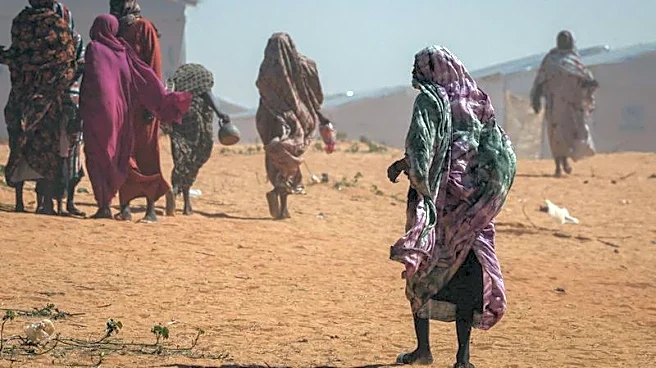










Birth registration is a critical process that ensures individuals have access to their rights and services. However, significant disparities exist in birth registration rates across the globe. This article examines the challenges contributing to these disparities and explores potential solutions to improve birth registration worldwide.
The Scope of the Problem
Despite the importance of birth registration, millions of children worldwide remain unregistered. According to available
data, more than a quarter of children under five are not registered, with the lowest levels of registration found in sub-Saharan Africa, where only 43 percent of births are recorded. This lack of registration disproportionately affects poor households and indigenous populations, exacerbating existing inequalities.
Unregistered children face numerous challenges, including difficulties in accessing healthcare, education, and legal protection. Without a birth certificate, they may be unable to prove their age, nationality, or family relationships, limiting their ability to participate fully in society.
Contributing Factors
Several factors contribute to the global disparities in birth registration. Social and cultural beliefs, such as alternative naming ceremonies, can discourage formal registration. Economic barriers, including the cost of registration and lack of access to registration offices, also play a significant role.
In addition, inadequate infrastructure and lack of trained personnel can hinder the registration process. Legal and political restrictions, fear of discrimination, and conflict or unrest further complicate efforts to register births. In some regions, there is simply no system in place to facilitate registration.
Potential Solutions
Addressing the challenges of birth registration requires a multifaceted approach. Retrospective registration initiatives, such as those implemented in Senegal and Sierra Leone, have proven effective in reducing the number of unregistered children. These initiatives often involve free local court hearings or special permissions to issue birth certificates to older children.
Legal reforms can also simplify the registration process and reduce barriers to access. For example, some countries have introduced online services for requesting civil status documents, making it easier for individuals to obtain birth certificates.
Community outreach and education are essential for raising awareness about the importance of birth registration. By engaging with local communities and addressing cultural beliefs, governments and organizations can encourage more families to register their children.
In conclusion, while significant challenges remain, there are promising solutions to improve birth registration rates globally. By addressing the underlying factors contributing to disparities and implementing targeted initiatives, it is possible to ensure that all children have access to the rights and services they deserve.