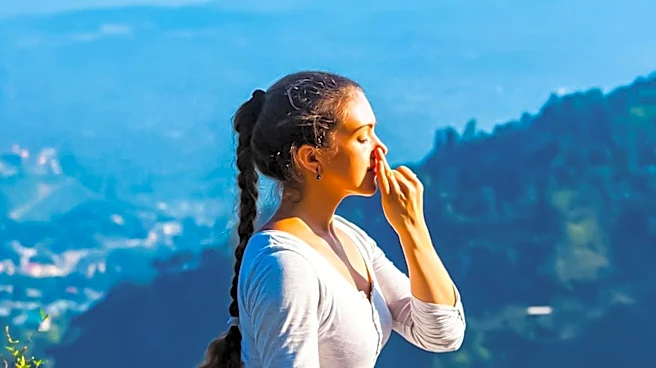






Viloma Pranayama is a distinctive breathing technique in yoga that involves reversing the natural flow of inhalation and exhalation. This practice is designed to enhance the supply of oxygen to the brain and provide the body with prana, or life energy. Unlike continuous breathing, Viloma Pranayama involves a series of interruptions in the breathing process, which extends the overall cycle of inhalation and exhalation. This article delves into the unique
aspects of Viloma Pranayama and how it is practiced.
The Concept of Viloma Pranayama
Viloma Pranayama is characterized by its approach of going against the natural flow of breathing. The term "Viloma" itself can be translated to mean "against the grain" or "against the natural order." This reflects the technique's method of interrupting the normal breathing pattern. Instead of a smooth, uninterrupted flow of breath, Viloma Pranayama involves pauses during both inhalation and exhalation. These pauses are not random but are part of a structured process that aims to lengthen the breathing cycle.
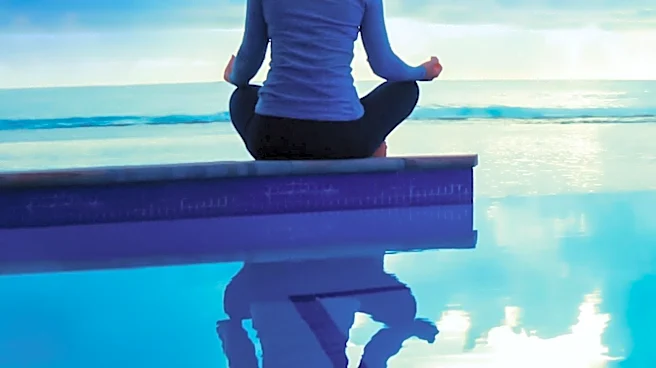
The practice of Viloma Pranayama is typically performed in a seated position, such as the cross-legged pose, but it can also be done lying on the back. This flexibility allows practitioners to choose a position that is most comfortable for them, ensuring that the focus remains on the breathing technique itself.
Practicing Viloma Pranayama
The practice of Viloma Pranayama is divided into phases. In the first phase, the practitioner inhales for two seconds and then holds the breath for another two seconds. This pattern is repeated until the lungs are full. Once the lungs are filled, the practitioner engages the jalandhara bandha, or chin lock, and holds the breath for five to ten seconds. The exhalation is then performed slowly, with a slight constriction of the throat to create a sound similar to the ocean, akin to the ujjayi pranayama.
After the exhalation, the chin lock is released, and the remaining breath is expelled. This cycle is repeated five to ten times, followed by a period of relaxation, often in the savasana pose. This structured approach helps in extending the breathing process and enhancing the practitioner's focus and control over their breath.
Benefits and Considerations
Viloma Pranayama is believed to have a positive impact on blood pressure. The first phase of the practice is said to be beneficial for those with low blood pressure, while the second phase is recommended for individuals with high blood pressure. However, it is important for practitioners with health concerns to approach this technique with caution, especially when it involves breath retention or kumbhaka.
Overall, Viloma Pranayama offers a unique approach to breathing that can enhance one's yoga practice by improving breath control and increasing the supply of prana to the body. As with any pranayama, it is advisable to practice under the guidance of an experienced instructor to ensure safety and effectiveness.