







Colombia is a country of remarkable geographic diversity, with landscapes ranging from towering mountains to lush rainforests and expansive plains. This article explores the various geographic regions of Colombia and examines how these diverse landscapes have influenced the country's development and cultural identity.
The Andean Highlands
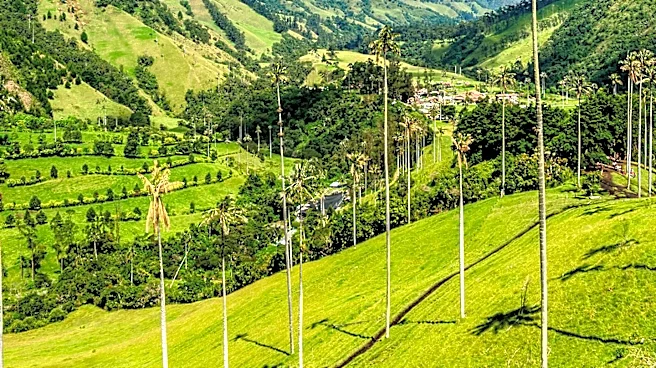
The Andes Mountains dominate the western portion of Colombia, creating a dramatic landscape of peaks, valleys, and plateaus. This region is home to the majority of Colombia's population and includes major cities such as Bogotá, Medellín, and Cali. The Andean highlands are characterized by a temperate climate, fertile soils, and abundant water resources, making them ideal for agriculture and human settlement.The Andes have played a crucial role in shaping Colombia's history and culture. The region's challenging terrain has contributed to the
development of distinct regional identities, as communities adapted to the unique conditions of their environments. The Andes are also rich in natural resources, including minerals and hydropower, which have been central to Colombia's economic development.
The Caribbean and Pacific Coasts
Colombia's Caribbean and Pacific coasts offer a stark contrast to the Andean highlands. The Caribbean coast is characterized by sandy beaches, mangroves, and tropical savannas, while the Pacific coast is known for its dense rainforests and rugged coastline. These coastal regions are home to vibrant cultural traditions, influenced by Indigenous, African, and European heritage.The Caribbean coast, with its warm climate and fertile lands, has been a center of trade and cultural exchange for centuries. Cities like Cartagena and Barranquilla are known for their rich history and lively festivals. The Pacific coast, on the other hand, is less developed and more remote, with a focus on conservation and sustainable development. The region's biodiversity and unique ecosystems make it a vital area for environmental protection.
The Eastern Plains and Amazon Rainforest
The eastern portion of Colombia is dominated by the vast Llanos, or plains, and the dense Amazon rainforest. The Llanos are characterized by open grasslands and savannas, supporting cattle ranching and agriculture. This region is sparsely populated, with a focus on traditional rural lifestyles and Indigenous communities.The Amazon rainforest, covering the southeastern part of Colombia, is one of the most biodiverse regions on the planet. It is home to countless species of plants and animals, as well as Indigenous tribes with rich cultural traditions. The Amazon plays a critical role in global climate regulation and biodiversity conservation, making it a priority for environmental protection efforts.
Colombia's geographic diversity is a defining feature of the country, shaping its culture, economy, and environment. From the towering Andes to the lush Amazon, Colombia's landscapes offer a wealth of opportunities and challenges, reflecting the country's dynamic and complex nature.