







Shawls are more than just garments; they are cultural artifacts that carry deep symbolic meanings across different societies. From the intricate Kashmir shawls of India to the vibrant Manila shawls of the Philippines, these pieces of clothing have been integral to traditional attire and cultural identity. This article explores the cultural significance of shawls in various regions and their role in traditional dress.
Shawls in Indian Culture
In India, shawls have long been
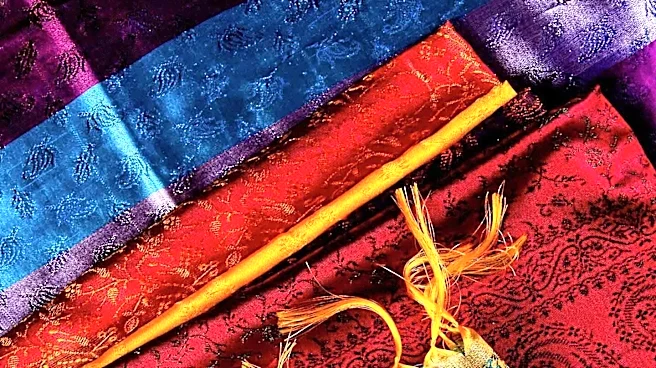
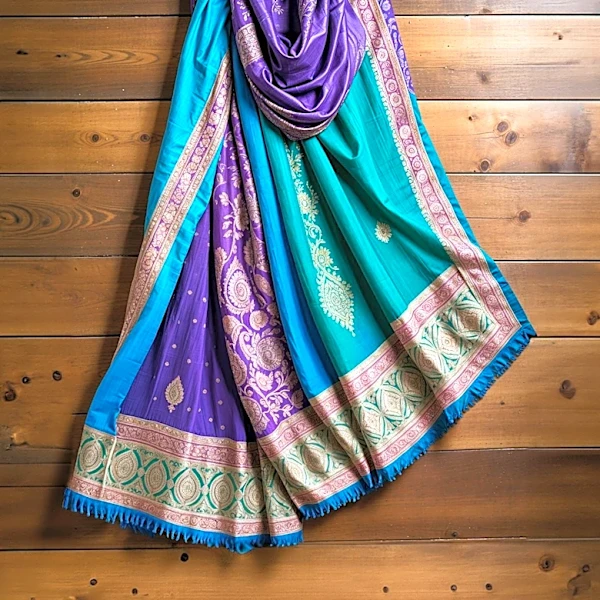
associated with nobility and status. The Kashmir shawl, in particular, is a symbol of luxury and craftsmanship. Made from fine pashmina or shahtoosh wool, these shawls are known for their intricate designs and exquisite quality. They were traditionally worn by men as a mark of nobility and were often given as gifts to signify honor and respect.
The designs on Kashmir shawls often feature motifs inspired by nature, such as flowers and leaves, which hold cultural significance. The paisley motif, originally known as the buta, is a stylized representation of a cypress tree, symbolizing life and eternity. This motif has transcended its origins to become a global fashion staple, illustrating the cultural exchange facilitated by these garments.
The Manila Shawl: A Fusion of Cultures
The Manila shawl, originating from the Philippines, is another example of a culturally significant garment. Known as 'mantón de Manila,' these shawls are made from silk and are characterized by their vibrant embroidery and fringes. They were introduced to the Philippines through trade with China and became an integral part of traditional Filipino attire.
In the Philippines, Manila shawls were worn by aristocratic women as part of the 'traje de mestiza,' a traditional dress that combined indigenous and Spanish influences. The shawls added modesty to the low-necked 'camisa' shirts and were often passed down as heirlooms. Their intricate designs and luxurious materials made them highly prized possessions.
Shawls in Modern Times
Today, shawls continue to hold cultural significance in many parts of the world. In Spain, the Manila shawl is an essential part of the traditional flamenco costume, adding flair and elegance to the dance. In India, shawls are still worn during special occasions and are considered a symbol of warmth and hospitality.
The cultural significance of shawls is a testament to their enduring appeal. Whether as a fashion statement or a cultural artifact, shawls continue to be cherished across the world, embodying the rich traditions and histories of the regions they originate from.