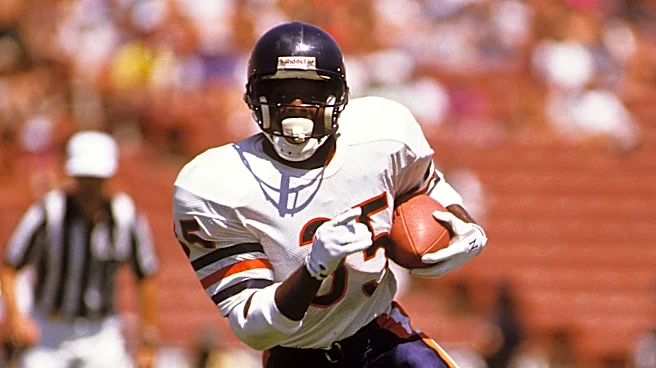




Walter Payton, widely regarded as one of the greatest football players of all time, earned his nickname "Sweetness" not just for his amiable personality but also for the seemingly effortless grace and power he displayed on the field. His playing style was characterized by a relentless determination and a unique set of techniques that set him apart from his peers. Payton's approach to the game was encapsulated in his personal motto, "Never Die Easy,"
a philosophy that guided his every move and left an indelible mark on the sport.
"Never Die Easy" and the Stutter-Step
Payton's motto, "Never Die Easy," which also became the title of his posthumously published autobiography, was attributed to his coach at Jackson State, Bob (Robert) Hill. This philosophy translated directly into his on-field actions. Payton famously refused to deliberately run out-of-bounds, instead choosing to deliver some form of punishment to his tacklers before being forced off the field or brought down. This aggressive mindset meant that opponents always had to work hard to bring him down, embodying his refusal to yield easily.One of Payton's signature maneuvers was the "stutter-step." This high-stepping, irregularly paced run was developed as a way to distract his pursuers during long runs. Payton explained that it startled defenders into thinking, giving him an advantage over players who might have been faster. In his autobiography, he likened the stutter-step to an "option play," where defenders had to commit to a pursuit angle based on whether they thought he would accelerate or cut after the stutter-step. He would then read their commitment and do the opposite, effectively outsmarting them.
Reinventing Techniques and Physicality
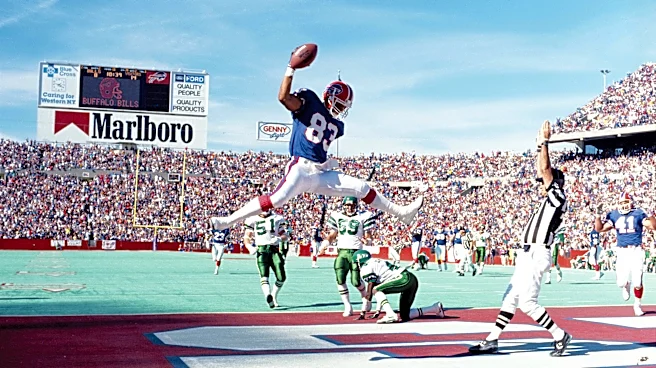
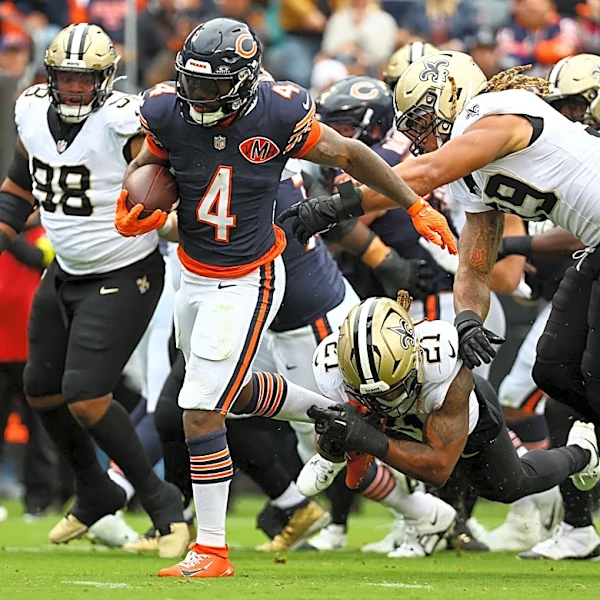
Payton was known for reinventing the practice of stiff-arming tacklers, a technique that had fallen out of favor among running backs in the 1970s. He brought it back with force, using his arm to fend off defenders and gain extra yards. His athleticism extended beyond typical running back skills; at times, he utilized his high-school experience as a long jumper to leap over opponents, even landing on his head in the end zone to score a touchdown in a game against the Buffalo Bills.His running gait was also somewhat unusual, characterized by minimally bent knees and motion largely powered from the hip. This distinctive style may have offered some protection to his knees, which are often vulnerable joints for football players. Despite this, he underwent arthroscopic surgery on both knees in 1983, a procedure he humorously referred to as an "11,000-yard checkup." Payton's physicality and innovative techniques made him a formidable force on the gridiron.
Beyond the Touchdown Celebration
After scoring touchdowns, Payton notably declined to engage in elaborate celebrations. Instead, he would often simply hand the ball to his teammates or an official. He disapproved of the growing trend of touchdown celebrations, preferring more understated reactions on the field. His post-game antics, however, could be more playful, such as rushing into the locker room and locking his teammates out in the cold while he took a long shower.While his running prowess alone would have earned him the respect of his peers and coaches, Payton also excelled in other aspects of the game. He retired as the career leader in receptions for a running back, with 492 catches for over 4,500 yards. He also still holds the career record for a running back with 8 touchdown passes. These statistics highlight his versatility and comprehensive skill set, making him a truly exceptional and multifaceted player.