







Chicago's journey from a strategic portage site to a bustling modern metropolis is a testament to its resilience and dynamic growth. Incorporated as a city in 1837, its location near a crucial link between the Great Lakes and the Mississippi River watershed provided an early advantage, fostering rapid expansion in the mid-19th century. This strategic position facilitated trade and settlement, laying the groundwork for the city's future prominence.
Rapid Growth and a Defining Catastrophe
The mid-19th century saw Chicago experience a period of intense growth, transforming it into a significant urban center. However, this trajectory was dramatically interrupted in 1871 by the Great Chicago Fire. This catastrophic event devastated several square miles of the city, leaving more than 100,000 people homeless and causing widespread destruction. The fire was a profound challenge, testing the very foundations of the burgeoning city.
Despite the immense devastation, the Great Chicago Fire did not halt the city's progress. Remarkably, Chicago's population continued to grow in the aftermath of the disaster. This period of rebuilding and recovery showcased the enduring spirit and determination of its residents, who worked to reconstruct and modernize their city. The fire, while tragic, ultimately became a catalyst for innovative urban planning and architectural advancements.
Contributions to Urban Planning and Architecture
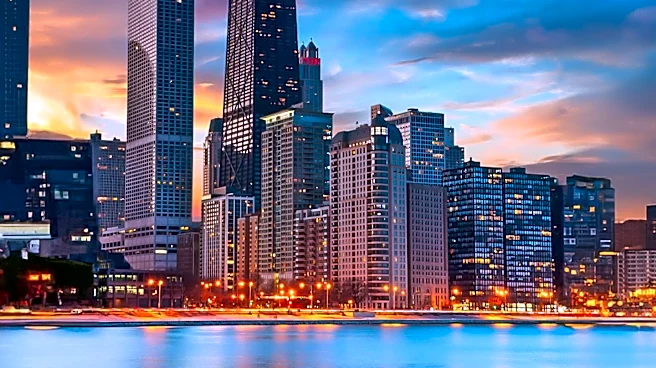
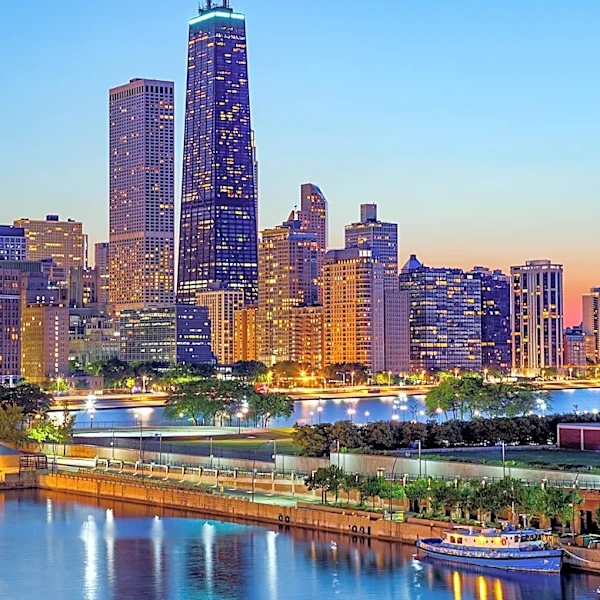
In the wake of the fire, Chicago made significant contributions to urban planning and architecture that would influence cities globally. The city became a crucible for new ideas in design and construction, leading to the development of the Chicago School of architecture. This movement was characterized by its pioneering use of steel-framed skyscrapers, which revolutionized urban skylines and allowed for unprecedented vertical growth.
Furthermore, Chicago played a key role in the City Beautiful movement, an urban planning philosophy that emphasized the aesthetic improvement of cities through grand civic spaces and monumental architecture. These efforts not only helped rebuild Chicago but also established it as a leader in modern urban design, demonstrating a forward-thinking approach to creating functional and aesthetically pleasing urban environments.
A Continuing Legacy
From its origins as a vital portage to its recovery from the Great Fire and its innovations in architecture, Chicago has consistently demonstrated an ability to adapt, rebuild, and thrive. Today, it stands as a major world city, its history of growth and resilience woven into its identity. The early strategic advantages, coupled with the determination to overcome adversity, have shaped Chicago into the influential metropolis it is today, a center for finance, culture, and innovation.