


Major League Baseball's journey into the world of television began earlier than many might realize, with an experimental broadcast in 1939. This pioneering event laid the groundwork for what would eventually become a ubiquitous part of the American sports landscape. While widespread televised games were still years away, this initial foray demonstrated the potential for bringing the national pastime directly into people's homes, even with the limited
technology of the era.
The Groundbreaking Broadcast of 1939
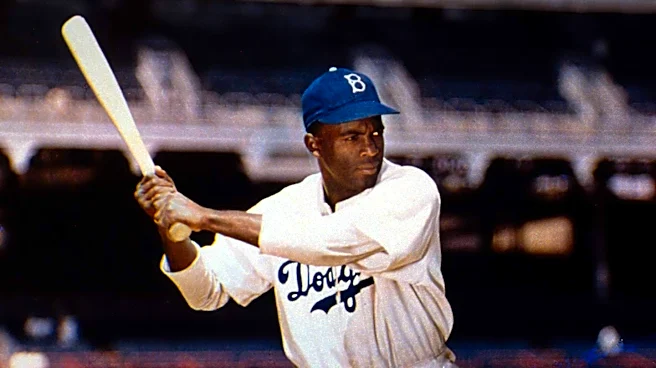
The technical relationship between NBC television and Major League Baseball officially started on August 26, 1939. On this significant date, W2XBS, an experimental television station in New York City that would later evolve into NBC's flagship station, WNBC, broadcast the first-ever Major League Baseball game. This historic event featured a doubleheader between the Brooklyn Dodgers and the Cincinnati Reds at Ebbets Field.
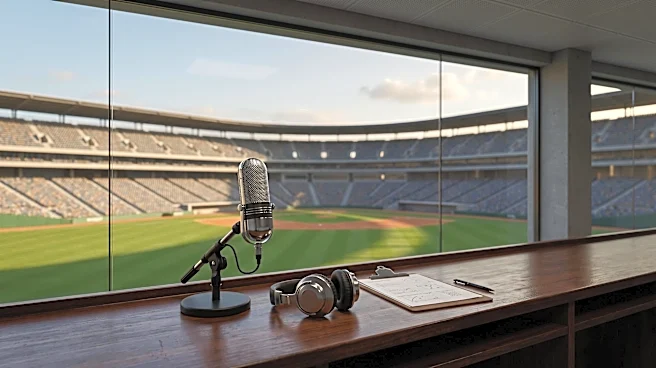
Red Barber, a renowned announcer, was at the microphone for this inaugural televised game. His commentary was delivered without the aid of a monitor, a stark contrast to modern broadcasting. The visual coverage was also rudimentary, relying on only two cameras. One camera was dedicated to capturing Barber, while the other was positioned behind home plate. Barber had to rely on guessing which camera's light was on and where it was pointing to coordinate his commentary with the limited visual feed.
Game Action and Early Technical Challenges
The doubleheader itself provided some exciting action for the few viewers who were able to tune in. The Cincinnati Reds emerged victorious in the first game with a score of 5–2. The Brooklyn Dodgers, however, rallied in the second game, securing a 6–1 win. These scores were relayed to an audience experiencing baseball through a new medium, albeit one with significant technical constraints.
The challenges faced by the broadcast team, particularly Red Barber, highlight the experimental nature of early television. The absence of a monitor meant Barber had to rely on his instincts and the limited camera cues to describe the game effectively. The placement of only two cameras further restricted the visual scope, offering a very different viewing experience compared to the multi-camera productions of today. This early broadcast was a testament to the ingenuity and adaptability required to bring live sports to the nascent television medium.
The Path to Widespread Televised Baseball
While the 1939 broadcast was a significant first step, it would take several more years for televised baseball to become a common occurrence. The technology needed to advance, and television sets needed to become more widely available to the public. However, this initial experiment proved that the concept was viable and sparked interest in the future possibilities of sports broadcasting. It was a crucial moment in the evolution of both television and Major League Baseball's relationship with the medium, setting the stage for the growth that would accelerate in the post-war era.