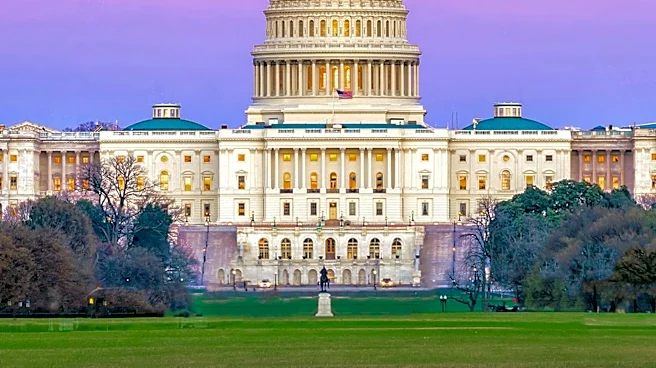

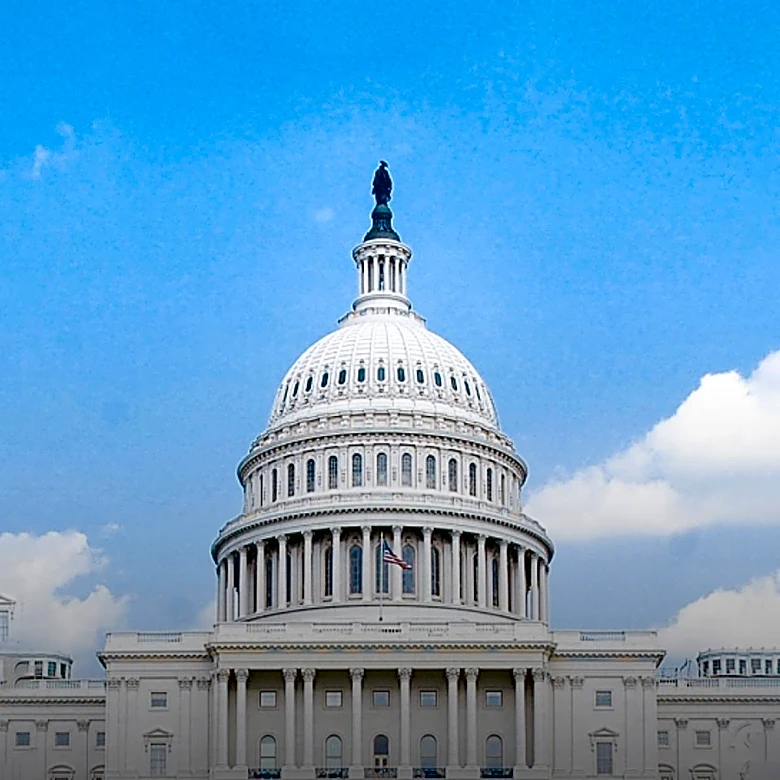



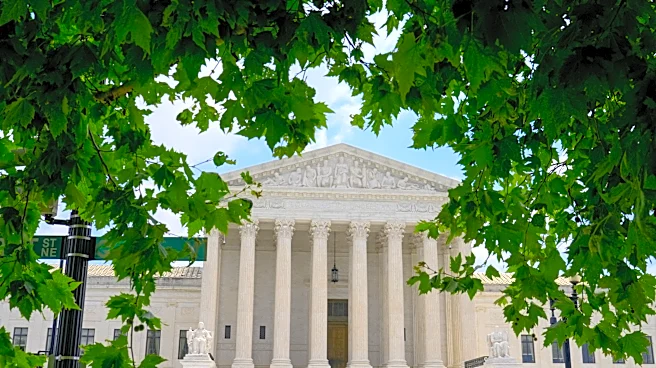


The Equal Rights Amendment (ERA) has faced numerous legal challenges and procedural hurdles since its introduction. One of the most significant aspects of its journey has been the debate over the ratification deadline and the subsequent extension granted by Congress. This article explores the legal intricacies and challenges that have surrounded the ERA, focusing on the extension of its ratification deadline and the implications of these legal battles.
The Original Ratification Deadline
When the ERA was approved by Congress in 1972, it was sent to the states with a seven-year deadline for ratification. This practice of setting a time limit for ratification began with the Eighteenth Amendment in 1917 and has been a common feature of constitutional amendments since then. The deadline for the ERA was initially set for March 29, 1979, requiring ratification by 38 states to become part of the Constitution.
As the deadline approached, the ERA had been ratified by 35 states, falling short of the required number. This prompted a significant legal and political debate over whether Congress had the authority to extend the ratification deadline and what implications such an extension would have on the amendment process.
Congressional Extension and Legal Debates
In 1978, Congress took the unprecedented step of extending the ERA's ratification deadline by three years, moving it to June 30, 1982. This decision was met with both support and opposition, sparking legal debates over the constitutionality of extending a ratification deadline that was not included in the amendment's text.
Proponents of the extension argued that Congress had the authority to set and extend deadlines as part of its legislative powers. They contended that the extension was necessary to allow more time for states to consider and ratify the amendment. Opponents, however, argued that once Congress had set a deadline, it could not be changed without a new amendment process, as states had acted based on the original terms.
Ongoing Legal and Political Implications
The legal challenges surrounding the ERA's ratification deadline have continued to influence its journey. In 1981, a federal district court ruled that Congress did not have the authority to extend the deadline, but the case became moot when the extended deadline passed without the necessary ratifications.
Despite these challenges, the ERA remains a topic of legal and political debate. Recent efforts to revive the amendment and extend the ratification deadline have kept the issue alive, highlighting the complexities of constitutional amendment processes and the ongoing struggle for gender equality in the United States.