








John Lennon's iconic song "Imagine" has cemented its place as a global anthem, recognized for its powerful message and widespread cultural impact. Since its release, it has achieved significant commercial success, becoming Lennon's best-selling single of his solo career. Beyond its sales figures, the song has resonated deeply with audiences worldwide, leading to numerous accolades and continued relevance in major international events. Its universal
themes have inspired countless artists and continue to spark discussion and reflection.
Commercial Success and Critical Acclaim
"Imagine" has demonstrated remarkable commercial success, selling over 1.7 million copies in the UK alone. This impressive sales record underscores its popularity and enduring appeal among listeners. The song's critical reception has been equally strong, with various organizations recognizing its profound significance. In 2005, the Canadian Broadcasting Corporation named "Imagine" the greatest song in the past 100 years, a title determined by listener votes on their show "50 Tracks." This honor highlights the song's deep connection with the public and its lasting impression on musical history.
Further solidifying its critical standing, the Recording Industry Association of America included "Imagine" on its list of the 365 Songs of the Century, ranking it at number 30. This list specifically acknowledges songs bearing the most historical significance, placing "Imagine" among a select group of influential musical works. In the UK, Virgin Radio listeners voted it number one in a 2005 survey for their favorite song, while Australians selected it as the greatest song of all time on the Nine Network's "20 to 1" countdown show in 2006. These widespread accolades from different countries demonstrate the song's universal resonance and its ability to transcend cultural boundaries.
Global Performances and Continued Relevance
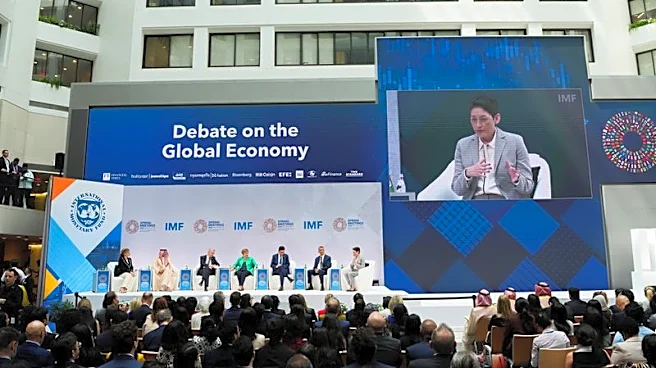
The song's influence extends to major global events, where it has been featured prominently, reinforcing its status as a symbol of hope and peace. "Imagine" was a central theme song in the opening ceremony of the 2022 Winter Olympics in Beijing. Prior to this, a pre-recorded version, featuring artists like John Legend, Keith Urban, Alejandro Sanz, and Angélique Kidjo, with musical arrangement by Hans Zimmer, was showcased during the opening ceremony of the 2020 Summer Olympics in Tokyo in July 2021. These high-profile performances introduce the song to new generations and reaffirm its message on an international stage.
Its enduring popularity is also evident in its re-entry into music charts years after its initial release. After being featured at the 2012 Summer Olympics, "Imagine" re-entered the UK Top 40, reaching number 18. This resurgence illustrates the song's timeless quality and its ability to captivate audiences across different eras. More than 200 artists have performed or covered "Imagine," including renowned musicians such as Madonna, Stevie Wonder, Joan Baez, Lady Gaga, David Bowie, Elton John, and Diana Ross. This vast array of interpretations by diverse artists further speaks to the song's adaptability and its profound impact on the music community.
Controversy and Modern Interpretations
Despite its widespread acclaim, "Imagine" has also been a source of controversy since its initial release, primarily due to its lyrics. The song's themes, which call for a world without heaven or hell, countries, or possessions, have sparked debate and discussion. This controversial aspect, however, has not diminished its cultural significance but rather added to its complex legacy. In a poignant modern interpretation, during the 2022 Russian invasion of Ukraine, John Lennon's son, Julian Lennon, performed the song for the first time. He used this performance to call on world leaders and individuals who believe in the song's sentiment of hope and peace to support refugees, demonstrating how "Imagine" continues to be a powerful tool for advocacy and a beacon for humanitarian causes in contemporary global crises.