




The 200-meter freestyle event holds a unique place in Olympic swimming history, marked by periods of inclusion and absence before its permanent establishment. While swimming has been a core Olympic sport, the specific distances and strokes have evolved over time. The 1968 Summer Olympics in Mexico City represented a significant turning point for the 200-meter freestyle, as it marked the event's return to the program for both men and women after a considerable
hiatus. This reintroduction signaled a broader expansion of competitive swimming opportunities at the Games, reflecting changing athletic standards and growing global participation.
Early Appearances and Long Absence
The men's 200-meter freestyle made its Olympic debut quite early in the modern Games, first appearing in 1900. This initial inclusion was brief, however, as the event was contested only one more time in 1904, though at a slightly different distance of 220 yards rather than 200 meters. Following its 1904 appearance, the 200-meter freestyle vanished from the Olympic program for many decades. This long absence meant that generations of swimmers did not have the opportunity to compete for an Olympic medal in this particular freestyle distance. The reasons for such exclusions often relate to the evolving structure of the Olympic program, the popularity of certain events, and logistical considerations of the host cities.
The 1968 Reintroduction: A New Era
The year 1968 was pivotal for the 200-meter freestyle. After a 64-year absence, the event was brought back into the Olympic swimming schedule. Crucially, this reintroduction was not just for men; 1968 also marked the very first time a women's 200-meter freestyle event was held at the Summer Olympics. This simultaneous reintroduction for both genders underscored a commitment to expanding competitive opportunities and achieving greater gender parity in Olympic swimming. Since its return in 1968, the 200-meter freestyle has remained a consistent fixture on the program for every Summer Olympics, solidifying its status as a key event in the freestyle discipline.
The Format of Freestyle Competition
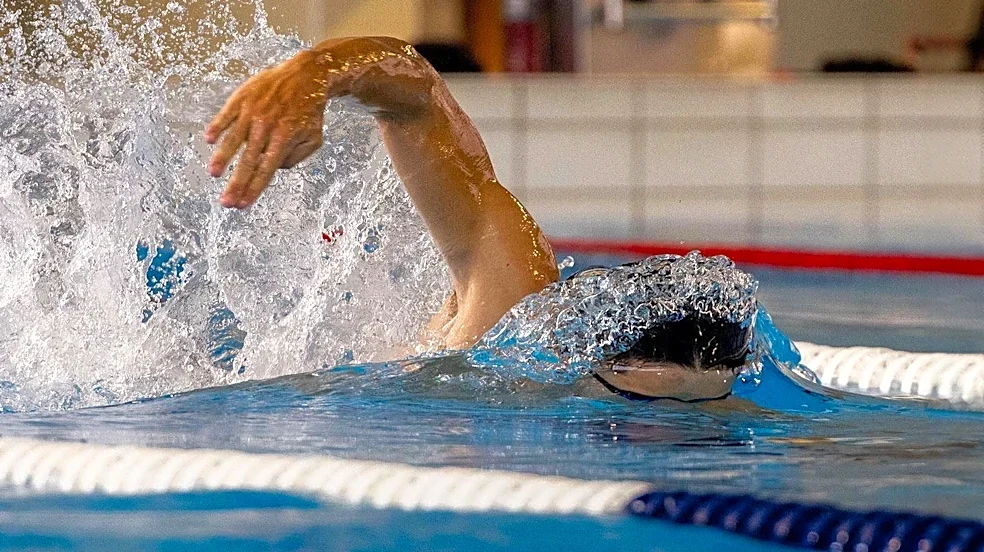
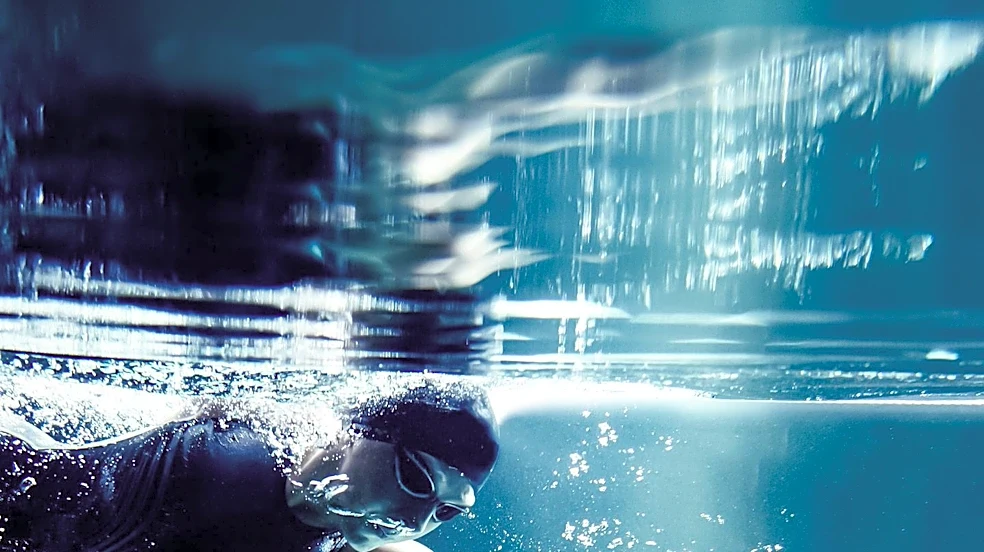
Freestyle swimming, by its very definition, offers athletes a unique degree of freedom compared to other strokes like backstroke, breaststroke, or butterfly. In freestyle events, the method of stroke is not regulated, meaning swimmers can choose any stroke they wish. In practice, nearly all competitive swimmers utilize the front crawl, or a variant of it, due to its efficiency and speed. The 200-meter distance itself requires a blend of speed and endurance. In an Olympic-sized swimming pool, which measures 50 meters in length, a 200-meter race consists of four lengths of the pool. This format demands strategic pacing and strong technique over a medium distance, making it a challenging and exciting event for both competitors and spectators.
The 1968 Women's 200-Meter Butterfly: A Parallel Introduction
While the 200-meter freestyle was making its significant return and debut for women, another event was also introduced for women in 1968: the 200-meter butterfly. This event, like the freestyle, involved four lengths of a 50-meter Olympic pool. The introduction of the women's 200-meter butterfly alongside the 200-meter freestyle highlights a broader trend in the 1968 Games to expand the women's swimming program. These additions provided more opportunities for female athletes to showcase their skills and compete for Olympic medals, contributing to the growing prominence of women's sports on the international stage.