



L. Frank Baum's beloved story, "The Wonderful Wizard of Oz," found a new life on stage with the 1902 musical extravaganza. However, this adaptation was far from a faithful rendition, introducing a host of new characters, plotlines, and even altering the fates of familiar figures. The musical's creators took significant liberties with the source material, crafting a narrative that, while still centered on Dorothy's journey, diverged dramatically from the novel
to suit the demands of a theatrical production. These creative choices resulted in a unique and often surprising version of the Oz story.
Dorothy's Expanded Journey and New Companions
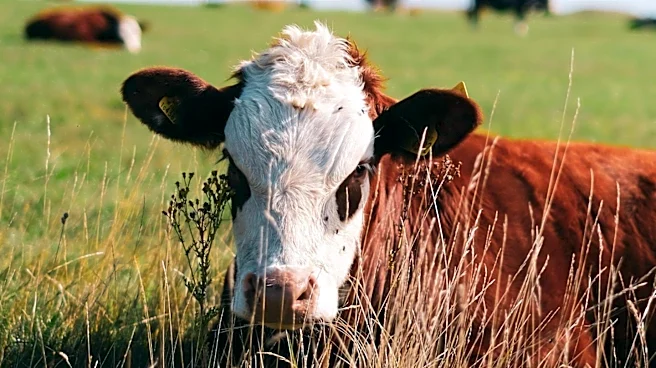
The musical opens with Dorothy and her pet calf, Imogene, being swept away from a Kansas farm by a tornado, landing in the Land of Oz. While the farmhouse still crushes a Wicked Witch, freeing the Munchkins, Dorothy's immediate goal remains returning to Kansas. The Good Witch of the North provides Dorothy with a Ruby Ring and directs her to the Emerald City to seek the Wizard's help. However, Dorothy's journey is quickly complicated by new romantic interests and unexpected allies.
One significant addition is Sir Dashemoff Daily, the poet laureate of Oz, who falls in love with Dorothy. Her path also crosses with the Scarecrow and the Tin Woodman, but their encounters are intertwined with new characters and perils. For instance, when Dorothy and her friends stumble into a deadly Poppy Field, they are saved not by the Cowardly Lion, but by the Witch of the North, who conjures a summer snowstorm to break the poppies' poisonous spell. These alterations provided fresh dynamics and expanded the narrative beyond the book's confines.
Political Intrigue and a Usurped Throne
A major departure from Baum's novel is the introduction of a complex political subplot involving Pastoria, the former King of Oz. Pastoria, a Kansas streetcar conductor, is also blown to Oz by the same tornado, accompanied by his waitress-girlfriend, Tryxie Tryfle. It is revealed that Pastoria was ousted from his throne by the Wizard, and he is determined to reclaim it. This adds a layer of political intrigue and conflict that is entirely absent from the original book.
Pastoria's quest to regain his kingdom puts him at odds with the Wizard and, consequently, with Dorothy and her companions, who are seeking the Wizard's aid. This conflict culminates in Act Two, where Pastoria stages a coup in the Emerald City, leading to the Wizard's arrest. Dorothy and her friends are then declared enemies of the state, forcing them to flee for their lives as Pastoria reclaims the throne. This dramatic shift transforms the Wizard from a mysterious, powerful figure into a vulnerable ruler, and Dorothy from a simple seeker of help into an unwitting participant in a political struggle.
Transformed Familiar Faces and Unique Characters
The musical also reimagines the origins and roles of some of Oz's most iconic characters. The Tin Woodman, for example, is revealed to be Niccolo Chopper, the long-lost lover of a new character, Cynthia Cynch, an Ophelia-like lady lunatic searching for him. This backstory adds a layer of personal drama to the Tin Woodman's character. While the Scarecrow still seeks brains and the Tin Woodman a heart, the context of their quests is interwoven with these new narrative threads.
Cynthia Cynch herself becomes a significant figure, eventually delighted to reunite with her tin lover. The musical's plot also features a "Ball of All Nations" in the Emerald City, where characters sing topical songs of ethnic origin, a distinct element not found in the book. The climax of the musical sees Dorothy, the Scarecrow, and the Tin Woodman captured by Pastoria's henchmen and sentenced to death, only to be magically saved by the Witch of the North just before their execution. These creative liberties ensured the musical offered a fresh and often surprising experience for audiences familiar with Baum's original tale.