
In the world of yoga, certain poses serve as fundamental building blocks, providing a stable base from which many other postures evolve. Among these, Tadasana, often known as Mountain Pose, stands out
as a pivotal standing asana. Its name, derived from the Sanskrit words "tada" meaning "mountain" and "asana" meaning "posture" or "seat," perfectly encapsulates its essence of grounded stability. This pose is not merely a static position but a dynamic foundation, teaching practitioners how to align their bodies and cultivate a sense of balance and presence.
Understanding Tadasana: The Mountain Pose
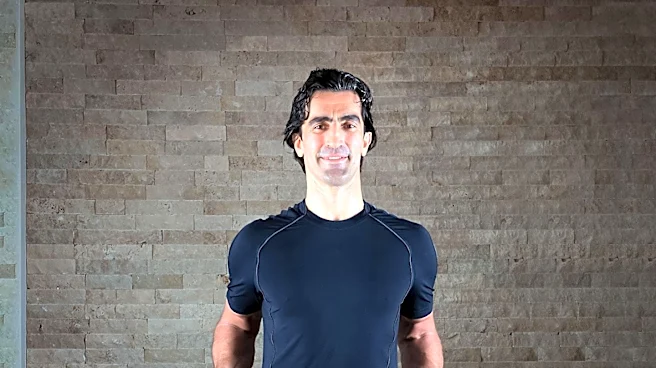
Tadasana is the basic standing asana upon which a multitude of other yoga poses are constructed. The execution of Tadasana involves standing with the feet together, ensuring that weight is evenly distributed and grounded through both feet. Simultaneously, the practitioner lifts upwards through the crown of the head, creating a sense of elongation in the spine. Key to this pose is the engagement of the thighs, which are lifted, and the waist, which is also lifted, further contributing to the lengthening of the body. Throughout the pose, breathing is encouraged to remain relaxed, fostering a calm and centered state.
In some yoga traditions, Tadasana is strategically placed between other poses. This serves a crucial purpose: it allows the body and consciousness to integrate the experience of the preceding asana and to prepare for the next. This integration period is vital for deepening the practice and ensuring a smooth transition between different postures. The emphasis on even weight distribution and spinal elongation makes Tadasana a powerful tool for improving posture and body awareness.
Variations and Related Standing Asanas
The principles of Tadasana extend into numerous variations and related standing poses, each building upon its foundational alignment. One such variation is Indudalasana, a side bend that is sometimes referred to as Half Moon Pose. Another related pose is the Standing Locust Pose, or Stiti Shalabhasana, which involves standing in a backbend. For increased stability, especially in vinyasa styles of yoga, practitioners often place their feet wider apart in Tadasana and other standing asanas, providing a more secure base.
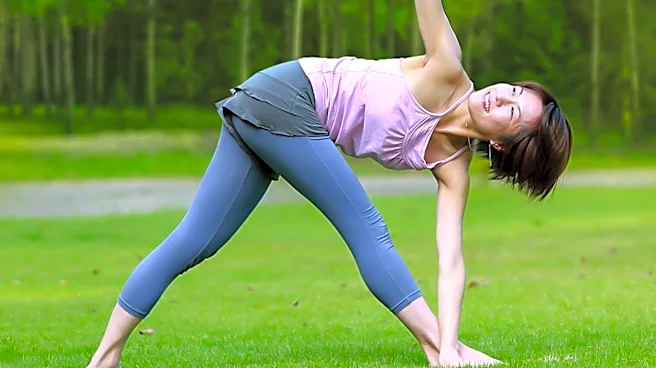
Further expanding on the Tadasana framework are poses like Namaskarasana, also known as Pranamasana or Prayer Pose, where the hands are brought together in a prayer position (Anjali mudra) in front of the chest. A more challenging variation is Pashchima Namaskarasana, or Reverse Prayer Pose, where the hands are placed in prayer position behind the back. Urdhva Vrikshasana, also called Urdhva Hastasana or upward tree pose, involves stretching the hands straight upwards with an upward gaze towards the thumbs (Angusthamadhye Drishti). This pose is notably featured twice in Ashtanga Yoga's Surya Namaskar A sequence. Parshvasana, or Side Stretch Pose, known since 1968, involves lifting the arms and stretching the body to one side. Anuvittasana, or Hasta Uttanasana (Standing Back Bend), features raised arms and an arched back, with an extreme form called Tiryang Mukhottanasana where the backbend is deep enough for the hands to grasp the ankles. Even some reclining asanas, such as Supta Tadasana (Reclined Mountain Pose), are derived from the core principles of Tadasana.
Tadasana's Significance in Iyengar Yoga
In Iyengar Yoga, Tadasana holds a particularly significant position, considered pivotal as the foundation for most standing asanas. This school of yoga places a strong emphasis on precise alignment and teaches practitioners to balance their weight equally on both feet. In Iyengar Yoga, the feet are placed together, the shins and thighs are carefully aligned, and the chest is lifted. The pose is not differentiated from Samasthitih, another term for a balanced standing posture. Practitioners may keep their arms at their sides or raise them over their heads. Tadasana appears in the first and second weeks of Iyengar's asana courses, as detailed in his influential work, *Light on Yoga*, underscoring its fundamental importance in the practice.