



Terry Labonte's career in NASCAR was marked by significant transitions between prominent racing teams, each move influencing his performance and standing in the highly competitive sport. From his early days with Hagan Racing to his stints with Junior Johnson & Associates and Precision Products Racing, Labonte navigated the complex landscape of team ownership, sponsorship, and manufacturer changes. These shifts were not merely contractual agreements
but pivotal moments that shaped his trajectory, demonstrating his adaptability as a driver while also reflecting the broader dynamics of NASCAR during his active years. His journey illustrates how team affiliations played a crucial role in a driver's success and challenges.
Early Success and Departure from Hagan Racing
Terry Labonte's initial significant impact in NASCAR came with Hagan Racing, where he achieved considerable success, including a championship. However, by 1986, Labonte's performance saw a dip, as he fell to 12th in the standings. Before the season concluded, he made a pivotal announcement: he would be leaving Hagan's team. This decision marked the end of an era and signaled a new chapter in his career, as he prepared to join one of the sport's most legendary figures.
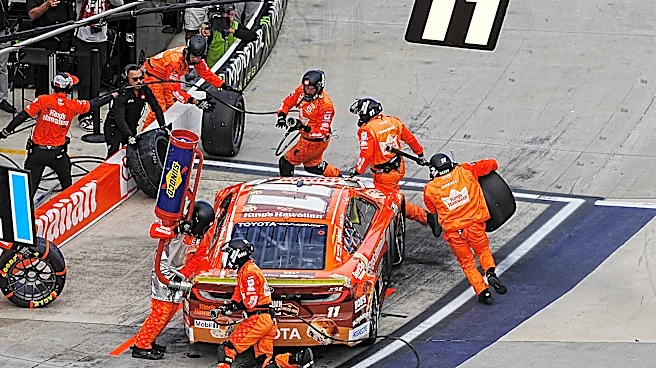
His departure from Hagan Racing led him to Junior Johnson's team, where he was slated to drive the No. 11 Budweiser Chevrolet starting the following year. This move was a significant step, aligning him with a powerhouse organization known for its winning pedigree. The transition highlighted the constant pursuit of competitive advantage and the strategic decisions drivers and teams made to stay at the forefront of NASCAR.
The Junior Johnson Era and Manufacturer Changes
Labonte's tenure with Junior Johnson & Associates began strongly. In his first season with the team, he secured four pole positions and claimed victory at the Holly Farms 400. This immediate success propelled him to a third-place finish in the final standings, showcasing the positive impact of his new team environment. He continued this strong performance into 1988, finishing fourth in points and winning The Winston, further cementing his status as a top competitor.
The 1989 season brought another significant change for Labonte and the Junior Johnson team: a switch from Chevrolet to Ford Thunderbirds. Despite this manufacturer change, Labonte managed to secure two wins during the season. However, the team's overall performance in the championship standings saw a decline, as he finished tenth. This period illustrates how even successful drivers could experience fluctuations in performance due to broader team and manufacturer strategies.
Navigating Sponsorship and Independent Ambitions
Following his time with Junior Johnson, Labonte faced new challenges in his career. For 1990, he had initially planned to establish and run his own independent team. However, these plans were ultimately scrapped due to difficulties in securing a full sponsorship, a critical component for any competitive NASCAR operation. This situation, reported by the News-Record of Greensboro, N.C. in 1990, underscored the financial realities and challenges of operating a self-owned team in professional racing.
Consequently, Labonte signed with Leo Jackson's Precision Products Racing team for the 1990 season. Driving the No. 1 Skoal Classic Oldsmobile, he achieved four top-five and nine top-ten finishes, concluding the season 15th in the points standings. This move demonstrated Labonte's resilience and willingness to adapt his career plans in response to the practical demands of the sport, ensuring he remained a competitive presence on the track.