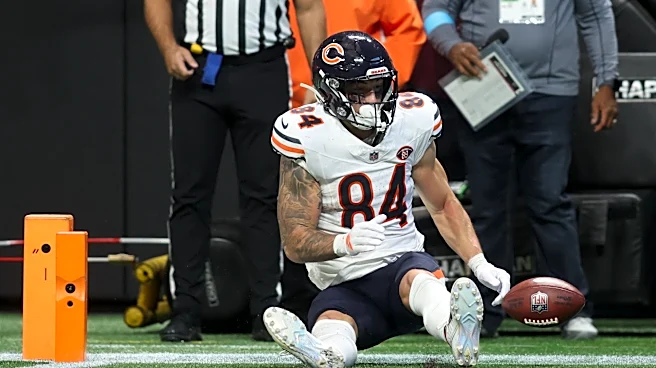




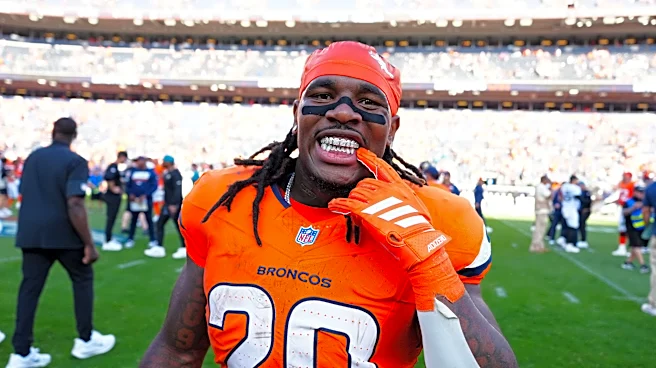
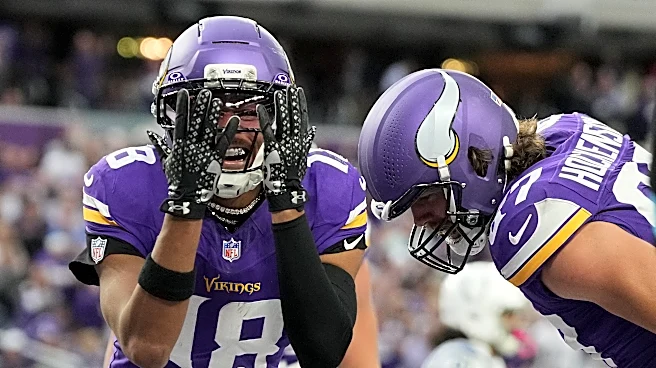

The National Football League, or NFL, stands today as a major cultural and commercial institution in the United States. However, its origins were far more humble, beginning in 1920 as the American Professional Football Association (APFA). This early league was a collection of teams, many from Midwestern industrial towns, that sought to formalize professional football. The journey from these regional roots to a dominant national league involved significant
expansion, rivalries, and mergers that shaped the sport into what it is today.
The Birth of Professional Football and the APFA
Professional football's roots can be traced back to 1892, with Pudge Heffelfinger's $500 contract to play in a game. This marked an early step towards organized professional play. The APFA was officially formed in September 1920 when representatives from 10 professional football teams gathered in Canton, Ohio. Initially, the league was a loose agreement among teams to play each other and determine a champion at the end of the season. Teams were still allowed to compete against non-league members, highlighting the informal nature of the early organization.
The inaugural 1920 season saw several teams struggle to complete their schedules, with only four teams—Akron, Buffalo, Canton, and Decatur—finishing the season. Akron claimed the first league championship, boasting the only undefeated record among the remaining teams. Two years after its formation, in 1922, the APFA officially changed its name to the National Football League (NFL), setting the stage for its future as the major league of American football.
Early Expansion and Rivalries
By the mid-1920s, the NFL experienced significant growth, with its membership expanding to 25 teams. This period also saw the emergence of rival leagues, indicating a growing public interest in professional football. One such rival, the American Football League (AFL), was formed in 1926 but ultimately folded after just a single season. Despite its short lifespan, the AFL's existence underscored the increasing appeal and potential for professional football.
During these early years, college stars began to transition into the professional ranks, further boosting the league's profile. Red Grange, from the University of Illinois, became a notable figure when he embarked on a famous barnstorming tour with the Chicago Bears in 1925. This era was not without its controversies, however. A scandal in 1925 involved a game between the Chicago Cardinals and the Milwaukee Badgers, where a Chicago player allegedly hired high school players to play for the Badgers to ensure an inferior opponent for the Cardinals. Such incidents highlight the nascent and sometimes chaotic nature of professional football in its formative years, even as it laid the groundwork for future stability and growth.
The Path to National Prominence
The NFL continued to evolve, absorbing teams from other leagues as it solidified its position. In 1950, the All-America Football Conference (AAFC) folded, and three of its teams were integrated into the NFL: the Cleveland Browns, the San Francisco 49ers, and a new Baltimore Colts franchise. The Cleveland Browns, in particular, had been dominant in the AAFC, winning every championship during that league's existence. This absorption of successful teams and their fan bases further strengthened the NFL's national footprint and competitive landscape.
The league's growth was also influenced by its relationship with television. In 1950, the Los Angeles Rams became the first team to televise its entire schedule, marking the beginning of a crucial partnership between professional football and television. This move significantly expanded the reach of the game, allowing it to become a national phenomenon rather than remaining primarily a sport of Midwestern industrial towns. The NFL's ability to adapt and integrate new technologies, alongside its strategic expansion and absorption of rival talent, proved vital in its journey to becoming the most popular spectator sports league in the United States.