




The bolo tie, while recognized as a distinctive necktie, is also a testament to intricate craftsmanship and the thoughtful selection of materials. Far from being a simple accessory, each component, from the cord to the ornamental clasp and decorative tips, contributes to its unique aesthetic and cultural significance. The artistry involved often reflects regional traditions and the skill of individual makers, transforming a functional item into a piece
of wearable art.
The Core Components: Cord, Clasp, and Tips
At its most fundamental, a bolo tie consists of a piece of cord or braided leather. This cord is typically four-ply braided leather, providing both durability and a classic appearance. The ends of this cord are usually finished with decorative metal tips, often made of silver, which serve both to prevent fraying and to add an elegant touch. These tips, sometimes referred to as aiguillettes, are sealed and embellished, contributing significantly to the overall design.
The central element of the bolo tie is the ornamental clasp or slide, which holds the cord together. This clasp is the primary decorative feature and is designed to secure the tie while also showcasing artistic detail. Victor E. Cedarstaff, credited with inventing the bolo tie in the 1940s, even patented a clasp in 1954 that was designed to be less prone to slipping, highlighting the importance of both aesthetics and functionality in the tie's construction.
Metalwork and Embellishments
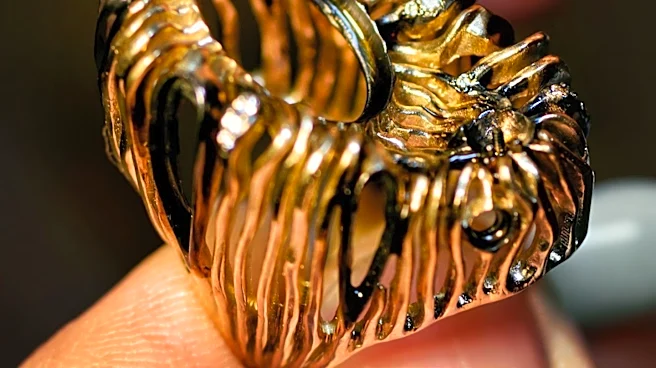
The ornamental clasp, or brooch, is frequently crafted from silver, though copper or bronze are also utilized. These metal parts can be formed through various techniques, including casting or soldering from sheet and wire, allowing for complex and detailed designs. The metalwork itself is often elaborately decorated, showcasing a range of artistic methods such as chasing, pressing, punching, or etching.
Further enhancing the beauty of bolo ties are the embellishments incorporated into the metalwork. Semi-precious stones are a popular choice, with lapis lazuli and turquoise being particularly common. Other materials like coral, animal teeth (such as those from wolves or bears), or bone are also used, adding unique textures and natural elements to the designs. These materials are often set into the metal, creating striking contrasts and intricate patterns that reflect the diverse artistic traditions associated with bolo ties.
Native American Silversmithing Traditions
Since the mid-20th century, the creation of silver bolo tie slides and tips has been a significant part of the silversmithing traditions of various Native American tribes, including the Hopi, Navajo, Zuni, and Puebloan peoples. This integration into established artistic practices has enriched the bolo tie's design vocabulary, incorporating indigenous motifs and craftsmanship. The use of specific stones, such as turquoise, often carries cultural significance within these traditions, further deepening the artistry and meaning behind these unique neckties.