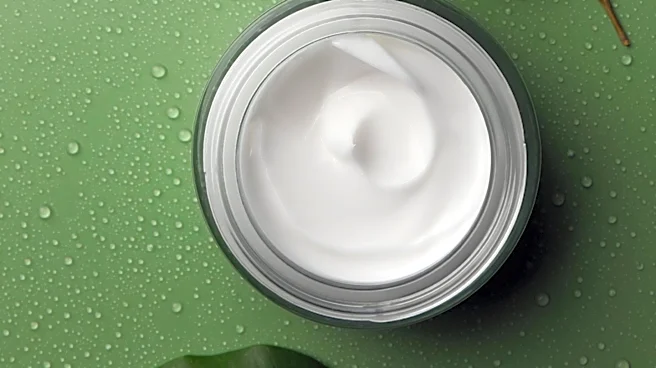





Moisturizers play a crucial role in maintaining skin health by hydrating and protecting the skin. These cosmetic products are designed to reduce water loss and seal in moisture, which is essential for keeping the skin soft and supple. The effectiveness of moisturizers lies in their ability to mimic the natural functions of sebum, the skin's own moisturizing agent. This article delves into the mechanisms by which moisturizers work and their importance
in skincare.
Mechanism of Moisturizers
Moisturizers function by modifying the rate of water loss from the skin. The skin naturally loses water through a process known as transepidermal water loss. This is where moisturizers come into play, as they help to regulate this water loss. The active ingredients in moisturizers are typically categorized into occlusives and humectants. Occlusives form a hydrophobic layer on the skin's surface, preventing moisture from escaping. The more occlusive a product, the more effective it is at retaining moisture. For instance, ointments are more occlusive than creams, which in turn are more occlusive than lotions.
Humectants, on the other hand, are hydrophilic substances that attract and retain moisture. They draw water from the air into the skin, which is particularly effective in humid environments. However, humectants can also pull moisture from deeper layers of the skin to the surface, which can lead to dehydration if not used in conjunction with occlusives. Therefore, most moisturizers combine both occlusives and humectants to maximize hydration.
Benefits of Moisturizers
Moisturizers are not only used for hydration but also for their protective and lubricating properties. They are widely incorporated into various skincare products, including sunscreens, antiperspirants, and shaving creams. In addition to their cosmetic benefits, moisturizers have therapeutic applications. They are beneficial in managing skin conditions such as atopic dermatitis, commonly known as eczema. Regular use of moisturizers can improve skin comfort and potentially reduce the frequency of disease flares.
Moisturizers are also used in products like disposable diapers to prevent dry skin and diaper dermatitis. This highlights their versatility and importance in both cosmetic and medical fields. Despite the variety of products available, no single type of moisturizer is universally more effective than others. The choice of product often depends on personal preference, the specific area of the body being treated, and environmental factors.
Choosing the Right Moisturizer
Selecting the appropriate moisturizer involves considering several factors, including skin type, climate, and personal needs. For instance, individuals with oily skin might prefer lightweight gels, while those with dry skin may benefit from richer creams. The season and climate also play a role; heavier formulations might be more suitable in colder, drier conditions, whereas lighter products may be preferable in humid environments.
Ultimately, the key to effective moisturization is consistency and choosing a product that feels comfortable and meets the skin's needs. While daily use of moisturizers in infants is not recommended for preventing eczema, they remain a staple in adult skincare routines for maintaining healthy, hydrated skin.