






Cosmetic primers have become a cornerstone of modern makeup application, transforming from simple preparatory steps into highly specialized products designed to tackle a multitude of skin concerns. This evolution reflects a growing understanding of skin science and the desire for longer-lasting, more flawless makeup. What began as a general concept of preparing the skin has branched out into an array of targeted solutions, each formulated to optimize
specific aspects of a makeup look.
Early Forms and Core Functions
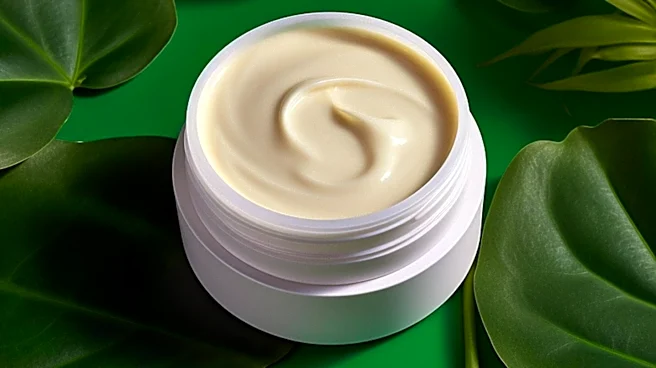
Initially, the concept of a primer centered on creating a smooth base for foundation and extending its wear. These early foundation primers might have functioned similarly to a moisturizer, providing hydration, or focused on oil absorption to achieve a matte finish. The inclusion of ingredients like salicylic acid in some formulations indicates an early recognition of the need to address common skin issues such as oiliness. The fundamental goal was to improve the application and longevity of foundation, ensuring it adhered better and appeared smoother on the skin.
As the market matured, the ingredient lists for foundation primers expanded. Antioxidants such as vitamins A, C, and E, along with botanical extracts like grape seed and green tea, began to appear, suggesting a move towards incorporating skincare benefits into makeup prep. The introduction of both water-based and silicone-based foundation primers, featuring ingredients like cyclomethicone and dimethicone, offered consumers choices based on their skin type and desired finish. Furthermore, the development of primers without preservatives, oil, or fragrance catered to individuals with sensitive skin, indicating a growing awareness of diverse consumer needs. The addition of sun protection factor (SPF) in some primers marked another step in their evolution, combining makeup benefits with essential skin health considerations.
Specialization for Every Feature
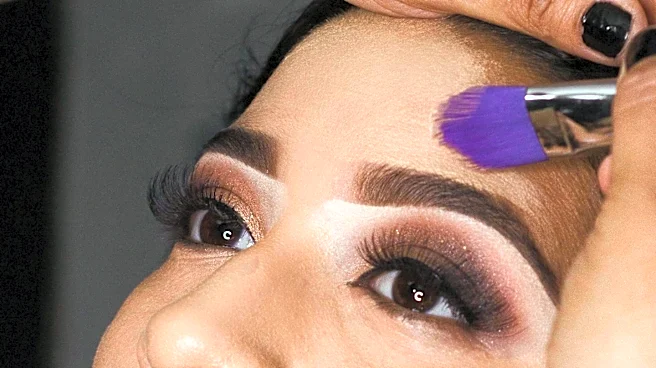
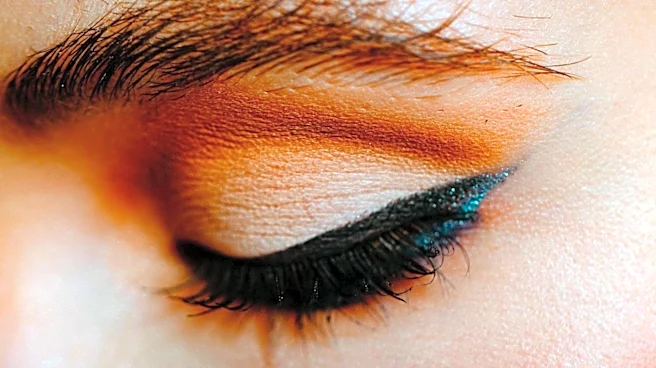
The most significant leap in primer evolution has been the development of specialized primers for different facial features. Eyelid or eyeshadow primers emerged as a distinct category, recognizing the unique challenges of eye makeup. These primers were specifically designed to address issues like creasing, fading, and uneven color on the delicate eyelid area. Their ability to intensify eyeshadow color and prevent smearing by reducing oiliness demonstrated a sophisticated understanding of how to optimize makeup performance in a targeted way. The clear difference in eyeshadow color and wear time when used over a primer, compared to bare skin, solidified their place in many makeup routines.
Similarly, the introduction of under-eye primers highlighted a focus on specific concerns around the eyes, such as fine lines and wrinkles. Formulated to be gentle and often containing moisturizing or blurring ingredients, these primers aimed to create a smooth canvas for concealer, preventing creasing and extending wear. Lip primers followed suit, addressing common lipstick woes like feathering and short wear time. By smoothing the lips and enhancing color longevity, these primers transformed the application and durability of lip products. The rise of mascara primers, designed to thicken or lengthen lashes and prevent smudging, further underscored the trend towards highly specialized products that enhance every aspect of a makeup look, moving far beyond a simple, all-purpose base.