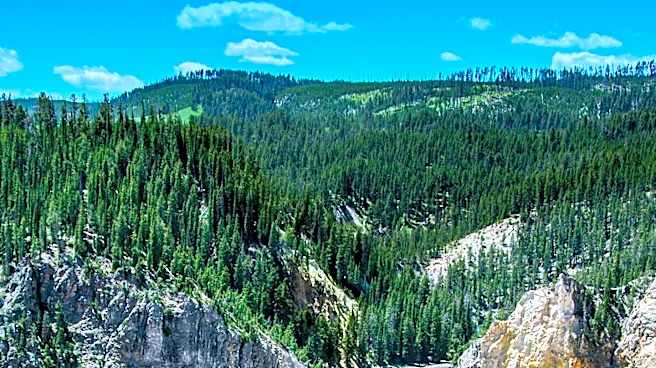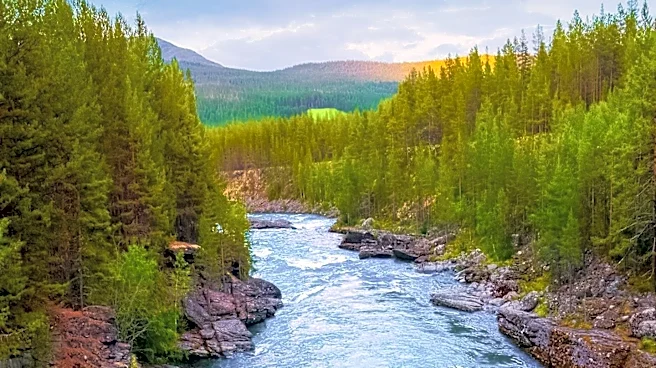





The Frank Church–River of No Return Wilderness is a significant protected area in Idaho, known for its vast wilderness and rich history. Established in 1980, this area was later renamed in 1984 to honor Senator Frank Church, a key figure in wilderness preservation. This article delves into the historical development and legislative milestones that shaped this wilderness area.
The Early Days and Initial Designation
The origins of the Frank Church–River of No Return Wilderness can be traced
back to 1931 when 1,090,000 acres in central Idaho were designated as the Idaho Primitive Area by the Forest Service. This early designation laid the groundwork for future conservation efforts. In 1963, the Selway-Bitterroot Wilderness was divided into three parts, including the Salmon River Breaks Primitive Area, which would later become part of the wilderness.
Senator Frank Church played a pivotal role in the wilderness preservation movement. He was a strong advocate for the Wilderness Act of 1964, which protected millions of acres across the United States. His efforts in the Senate were instrumental in the eventual creation of the River of No Return Wilderness.
Legislative Milestones and Renaming
The Central Idaho Wilderness Act of 1980 was a landmark piece of legislation that officially established the River of No Return Wilderness. This act combined the Idaho Primitive Area, the Salmon River Breaks Primitive Area, and a portion of the Magruder Corridor into a single protected area. The act also added 200 kilometers of the Salmon River to the Wild and Scenic Rivers System, further enhancing the area's conservation status.
In 1984, the wilderness was renamed the Frank Church–River of No Return Wilderness in honor of Senator Church's contributions to wilderness preservation. This renaming was a testament to Church's legacy and his dedication to protecting natural landscapes for future generations.
The Wilderness Today
Today, the Frank Church–River of No Return Wilderness is the second largest wilderness area in the continental United States, covering nearly 2.4 million acres. It is a haven for diverse wildlife and offers a range of recreational opportunities, including rafting on the Salmon River, which is famously known as the "River of No Return" due to its challenging rapids.
The wilderness is managed to preserve its natural character, with restrictions on motorized vehicles and development. However, certain pre-existing uses, such as jet boat travel on the Salmon River and airstrips, are allowed under grandfathered rights.
The Frank Church–River of No Return Wilderness stands as a testament to the enduring legacy of conservation efforts and the vision of leaders like Senator Frank Church. It continues to be a vital part of Idaho's natural heritage, offering a glimpse into the wild beauty of the American West.