







In-flight entertainment (IFE) has become a crucial component of the air travel experience, significantly influencing passenger satisfaction and airline services. From its early days of showing a single movie on a large screen to today's interactive systems, IFE has evolved to meet the changing demands of travelers. This evolution has not only enhanced the passenger experience but also shaped the way airlines design their services and cabins.
Enhancing Passenger Experience
The introduction
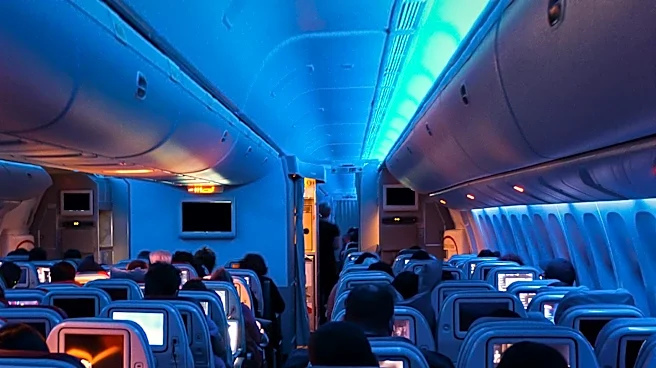
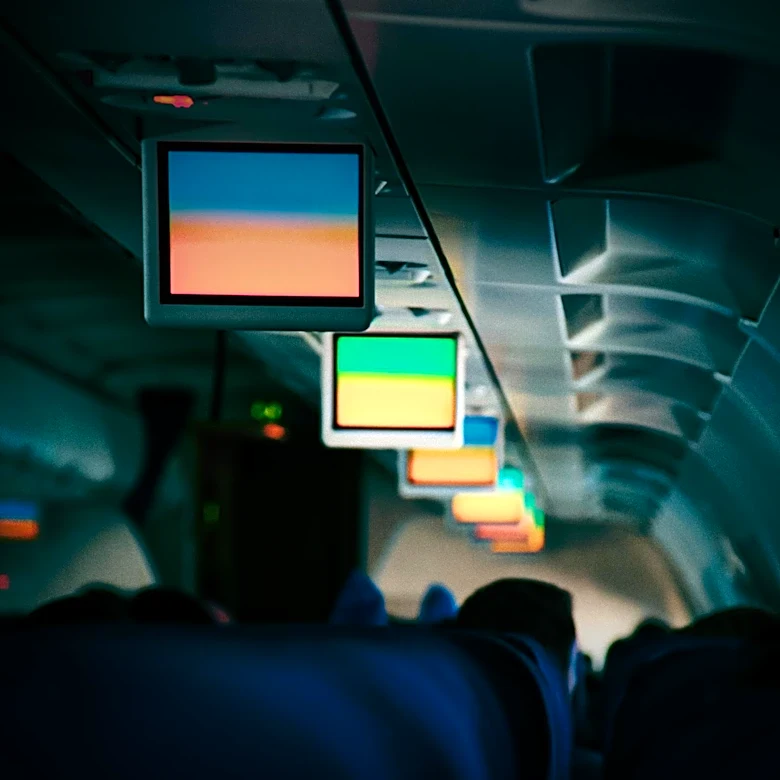
of in-flight entertainment has greatly enhanced the passenger experience by providing a source of distraction and enjoyment during flights. Initially, in-flight movies were a novel concept that offered passengers a way to pass the time on long journeys. As technology advanced, the introduction of personal display screens and Audio-Video on Demand (AVOD) systems allowed passengers to have more control over their entertainment choices. This personalization of entertainment options has become a key factor in passenger satisfaction, as travelers can now choose from a wide range of movies, TV shows, and music to suit their preferences.
Influence on Airline Services
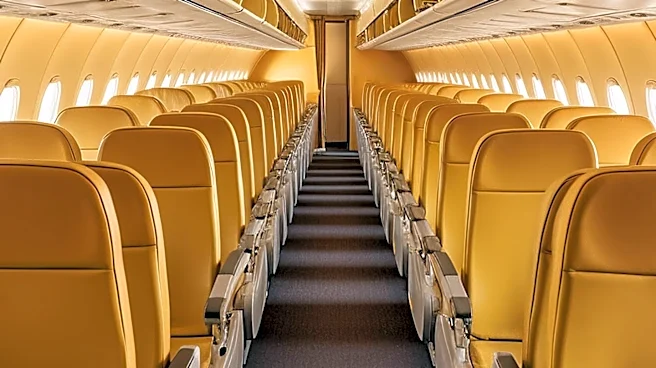
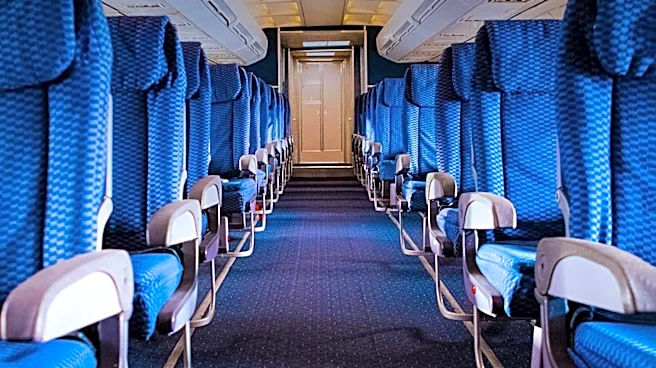
The demand for better in-flight entertainment has also influenced the way airlines design their services and cabins. In the 1990s, the shift towards personal IFE display screens became a major factor in aircraft cabin design. Airlines began to invest in advanced IFE systems to differentiate themselves from competitors and attract more passengers. The integration of high-speed internet and connectivity options has further transformed in-flight entertainment, allowing passengers to use their own devices to access a variety of content. This shift towards Bring Your Own Device (BYOD) systems reflects the growing trend of personalization in air travel, as airlines strive to meet the expectations of modern travelers.
Future of In-Flight Entertainment
As technology continues to evolve, the future of in-flight entertainment promises even more exciting developments. Airlines are increasingly investing in In-flight Entertainment and Connectivity (IFEC) systems that offer additional services such as meal ordering, shopping, and flight connection details. These value-added services not only enhance the passenger experience but also provide airlines with new revenue streams. The integration of high-speed internet on aircraft is gradually becoming a standard feature, providing passengers with a more complete in-flight experience.
In summary, in-flight entertainment has had a profound impact on air travel, enhancing passenger satisfaction and shaping airline services. As technology continues to advance, the future of IFE holds great potential for further innovation and improvement in the flying experience.