







Textile printing has undergone significant transformations over the centuries, evolving from traditional methods to modern digital techniques. This article explores the historical development of textile printing, highlighting key milestones and technological advancements that have shaped the industry.
Early Techniques and Innovations
The origins of textile printing can be traced back to ancient times when artisans used simple methods to apply patterns to cloth. Direct printing was
one of the earliest techniques, involving the application of colorants containing dyes and mordants directly onto the fabric. This method allowed for vibrant designs but required careful preparation to ensure the colors adhered properly.
Another early technique was resist dyeing, where a wax or other substance was applied to the fabric to prevent dye from penetrating certain areas. This created striking patterns against a colored background. Discharge printing, which involved using a bleaching agent to remove color from dyed fabrics, also gained popularity in the 19th century.
Industrial Advancements
The industrial revolution brought significant advancements to textile printing. Roller printing machines, introduced in the late 18th century, revolutionized the industry by enabling faster and more efficient production. These machines used engraved copper rollers to transfer designs onto fabric, allowing for intricate patterns and multiple colors to be printed simultaneously.
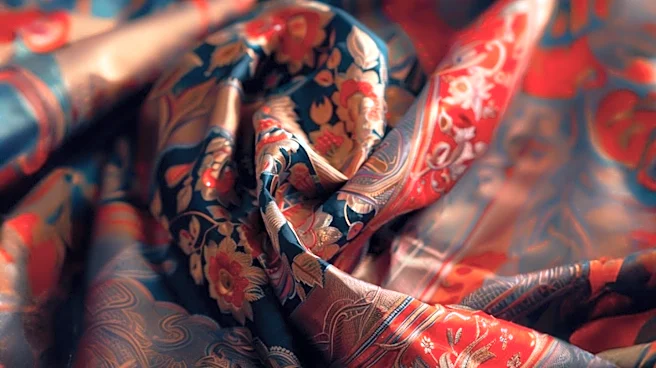
The development of screen printing further enhanced the capabilities of textile printing. This method involved using a mesh screen to apply ink onto the fabric, allowing for precise control over the design. Screen printing became a popular choice for producing large quantities of printed textiles, especially in the fashion and home decor industries.
Digital Textile Printing
In recent decades, digital textile printing has emerged as a cutting-edge technology, offering new possibilities for customization and efficiency. This method uses inkjet technology to print designs directly onto fabric, eliminating the need for screens or rollers. Digital printing allows for high-resolution images and complex patterns, making it ideal for small runs and personalized designs.
Digital textile printing has also contributed to sustainability in the industry. By reducing waste and energy consumption, this method aligns with the growing demand for eco-friendly production practices. As technology continues to advance, digital printing is expected to play an increasingly important role in the future of textile printing.
Textile printing has come a long way from its humble beginnings, with each technological advancement paving the way for new creative possibilities. As the industry continues to evolve, it remains a vital part of fashion, interior design, and other fields, reflecting the dynamic nature of art and technology.