



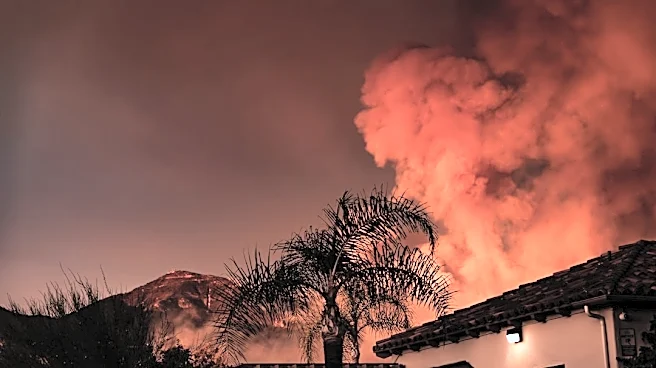
On September 2, 2019, a devastating incident unfolded off the coast of Santa Cruz Island, California, when the 75-foot diving boat, MV Conception, caught fire and subsequently sank. This tragic event resulted in a significant loss of life, marking a somber day for the maritime community and the families affected. The boat was anchored in a secluded bay, Platts Harbor, on the north shore of the island, when the fire erupted in the early hours of the morning,
catching many of its passengers by surprise as they slept below decks.
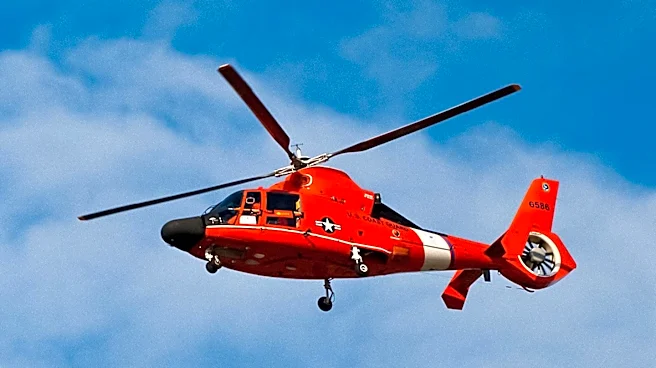
The incident prompted an immediate and extensive rescue operation led by the United States Coast Guard. The scale of the disaster became apparent as the efforts to locate and recover those on board commenced. The initial reports and subsequent investigations would piece together the harrowing timeline of events that led to the vessel's demise and the tragic fatalities.
The Early Morning Disaster
The fire broke out shortly after 3 AM, a time when most of the more than 30 passengers were asleep in their berths below the main deck. This timing likely contributed to the high number of casualties, as escape routes may have been compromised or difficult to navigate in the dark and smoke-filled conditions. The rapid spread of the fire and the remote location of Platts Harbor, an undeveloped bay, presented significant challenges for any immediate rescue attempts by those on board or nearby vessels.
The MV Conception, designed for diving excursions, would have had various compartments and sleeping areas below deck, which could have trapped individuals once the fire took hold. The suddenness and intensity of the blaze left little time for a coordinated evacuation, turning what should have been a peaceful night at sea into a catastrophic emergency.
Rescue and Recovery Efforts
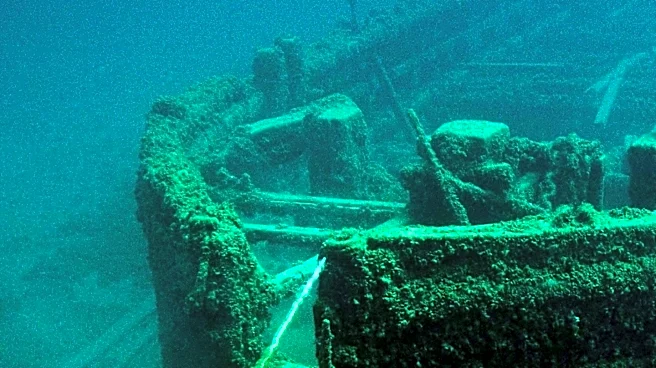
Following the report of the fire, the United States Coast Guard launched a comprehensive rescue operation. This involved deploying divers to the site where the MV Conception had sunk. The underwater search was a critical phase, aimed at locating any survivors and recovering the victims of the disaster. The conditions underwater and the state of the sunken vessel would have made these efforts particularly challenging and somber.
Coast Guard divers meticulously searched the sunken hull of the boat. During their operations, they counted 25 bodies within the wreckage. In addition to those recovered from the hull, nine other individuals remained missing, indicating the full extent of the tragedy. The total number of deaths from the incident reached 34, a stark reminder of the dangers that can arise at sea, even on what are typically considered routine excursions.
Aftermath and Legacy
The sinking of the MV Conception had far-reaching consequences beyond the immediate loss of life. The incident spurred significant safety campaigns aimed at small passenger vessels, highlighting the need for improved fire safety measures, evacuation procedures, and emergency response protocols. These campaigns sought to prevent similar tragedies from occurring in the future by addressing potential vulnerabilities identified in the wake of the Conception disaster.
In a poignant gesture to remember the vessel and those lost, a museum planned to incorporate one of the boat's propellers into its collection. This artifact would serve as a tangible link to the MV Conception, offering a way to honor the memory of the victims and to educate future generations about the incident and the importance of maritime safety. The event remains a significant point of reference in discussions about marine safety regulations and practices.