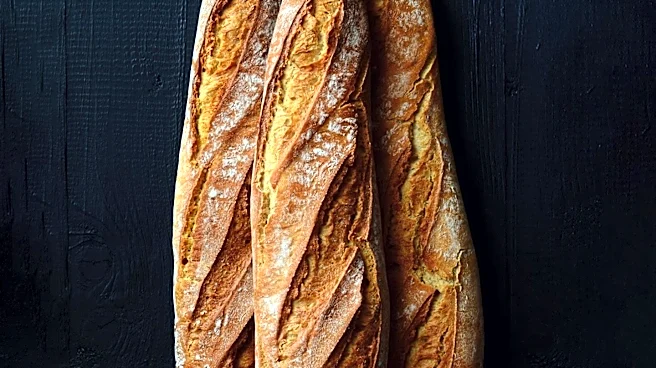







The baguette, a long, thin French bread known for its crisp crust and soft interior, is more than just a food item; it's a symbol of French culture. While its association with France is strong, the history of this iconic bread is complex, marked by speculation and a gradual evolution rather than a single moment of invention. Its journey from early long loaves to the legally defined bread of today reflects changes in baking technology, societal needs,
and culinary preferences over centuries.
Early Forms and Influences
Long, stick-like breads began to gain popularity in France during the 18th century. This period saw the emergence of precursors to the modern baguette, though they were often much longer. Accounts from the 19th century describe loaves of bread that were six feet long, resembling crowbars, and others a yard or two in length carried under people's arms. These descriptions highlight that the concept of a long, thin bread was present well before the term "baguette" was officially used to define a specific type of bread.
Several key innovations in baking also contributed to the baguette's development. In the early 19th century, French bakers started using