







The Cuyahoga River, flowing through Northeast Ohio into Lake Erie, is a waterway with a rich history and significant impact on the region. Known for its winding path and infamous fires, the river has played a crucial role in the development of the surrounding areas. This article explores the historical journey of the Cuyahoga River, from its early days to its role in sparking environmental reforms.
Early History and Native American Influence
The Cuyahoga River's name is believed to mean "crooked
river," a fitting description of its winding course. The river's history dates back to ancient times when it was inhabited by the Hopewell Culture during the Woodland Period. This culture was known for its mound-building activities, and evidence of their presence is found along the upper portion of the river.
As European settlers arrived, the river became a boundary line following the Treaty of Greenville in 1795, marking the western edge of the United States at the time. The river's strategic location made it a focal point for settlement and development. In 1796, Moses Cleaveland, a surveyor, arrived at the river's mouth and established a settlement that would become the city of Cleveland.
Industrialization and Environmental Challenges
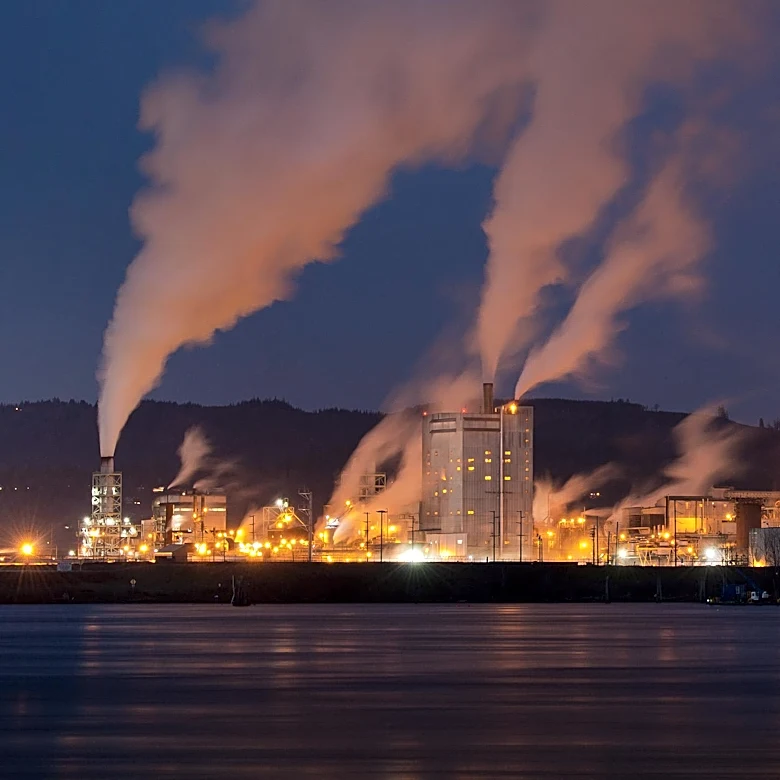
The Cuyahoga River's proximity to Cleveland, a burgeoning manufacturing center, led to significant industrial pollution. The river became heavily polluted, catching fire at least 14 times due to the accumulation of industrial waste. The most notable fire occurred on June 22, 1969, drawing national attention and highlighting the environmental crisis facing urban areas.
The 1969 fire, although not the largest, became a symbol of environmental neglect and spurred the American environmental movement. It led to the creation of the Environmental Protection Agency (EPA) and the passage of the Clean Water Act, which aimed to restore and protect the nation's waterways. The Cuyahoga River's plight became a rallying point for environmental reform, emphasizing the need for sustainable industrial practices.
Restoration and Modern Significance
In the decades following the 1969 fire, significant efforts were made to clean up the Cuyahoga River. The Ohio Environmental Protection Agency (OEPA) and local governments worked tirelessly to reduce pollution and restore the river's health. By 2019, the American Rivers conservation association named the Cuyahoga "River of the Year" in recognition of its environmental resurgence.
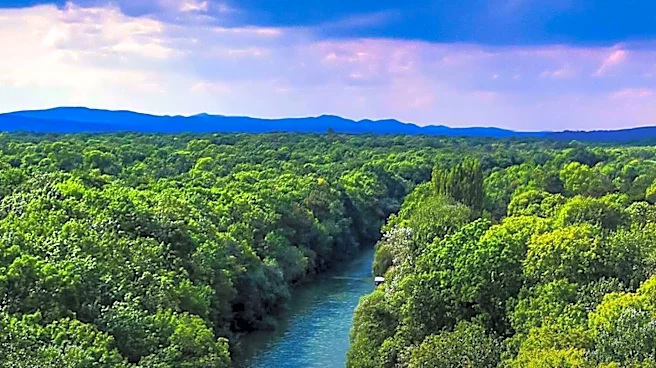
The river's restoration has allowed for the return of wildlife and recreational activities. In 2025, a portion of the river was designated a National Water Trail, highlighting its importance as a recreational resource. The Cuyahoga Valley National Park, through which the river flows, offers visitors a chance to experience the natural beauty and historical significance of the area.
The Cuyahoga River's journey from a heavily polluted waterway to a symbol of environmental recovery is a testament to the power of collective action and the importance of preserving natural resources. Its history serves as a reminder of the impact human activities can have on the environment and the potential for positive change through concerted efforts.