






The incandescent light bulb, a device that transformed nighttime and daily life, has undergone a significant evolutionary journey since its commercial introduction. While often associated primarily with Thomas Edison, the development of practical incandescent lighting involved numerous innovations, particularly concerning the filament material and overall efficiency. Early bulbs relied on carbon filaments, which, despite their revolutionary impact,
presented limitations in terms of lifespan and brightness. The continuous quest for better performance led to crucial advancements, including the adoption of tungsten filaments and the introduction of inert gases, fundamentally altering the capabilities of these light sources.
Early Innovations: Carbon Filaments and Their Limitations
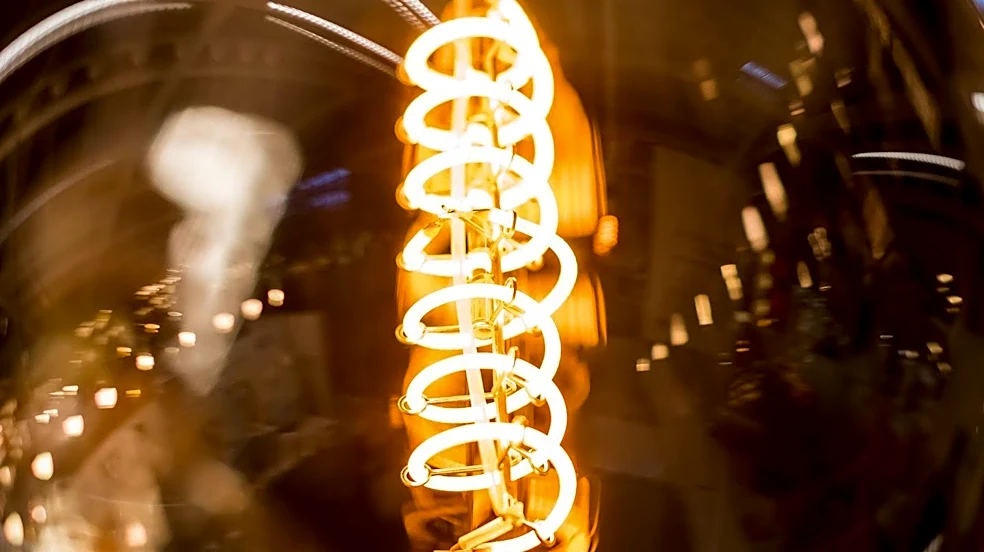
Thomas Edison first demonstrated light bulbs with a carbon filament in October 1879, an achievement commemorated annually for many decades in the United States as Edison Day. These carbon filament bulbs, marking the advent of commercial electric lighting, became available that same year. They were characterized by their long and intricate filament windings and produced a very warm-yellow glow. However, to generate sufficient light, these early lamps necessitated extremely long filaments, which contributed to their inherent inefficiencies and relatively shorter lifespans.
Despite their groundbreaking nature, carbon filaments had limitations. They were not as efficient or as durable as later materials. The need for improvement spurred further research into alternative filament materials that could offer greater brightness and longevity. This drive for innovation laid the groundwork for the next major leap in incandescent technology.
The Tungsten Revolution and Gas Enhancements
A significant breakthrough occurred in 1904 with the invention of the tungsten filament by Austro-Hungarians Alexander Just and Franjo Hanaman. Tungsten proved to be a superior material, offering greater efficiency and a longer lifespan compared to the carbonized bamboo filaments previously used. This change in filament material allowed for brighter bulbs that consumed less power for the same light output, marking a substantial improvement in the practicality of incandescent lighting.
Further enhancements came with the introduction of a neutral gas into the glass envelope, or bulb. This innovation played a crucial role in improving both the lifespan and brightness of the bulb. The inert gas helped to reduce the rate of tungsten evaporation from the filament, which in turn minimized bulb blackening and extended the operational life of the lamp. These advancements, particularly the development of more efficiently wound tungsten filaments, allowed for more compact and brighter bulbs without the need for the excessively long filaments of earlier designs.
Modern Adaptations and Niche Markets
While the core technology of incandescent bulbs evolved, the aesthetic appeal of early designs has also found a place in modern times. In the 1960s, US inventor Robert (Bob) Kyp patented a flickering "electric flame" light bulb, similar in appearance to early designs, under the name Balafire. His company, Kyp-Go, founded in 1964, remains a US manufacturer of carbon-filament bulbs, catering to specific demands. More recently, the resurgence of "Edison light bulbs" as specialty lighting has led to reproductions that mimic the original light color and bulb shape. These modern versions often incorporate more efficient tungsten coils or even LED technology to replicate the vintage look while offering improved energy performance, demonstrating how historical designs continue to influence contemporary lighting choices.