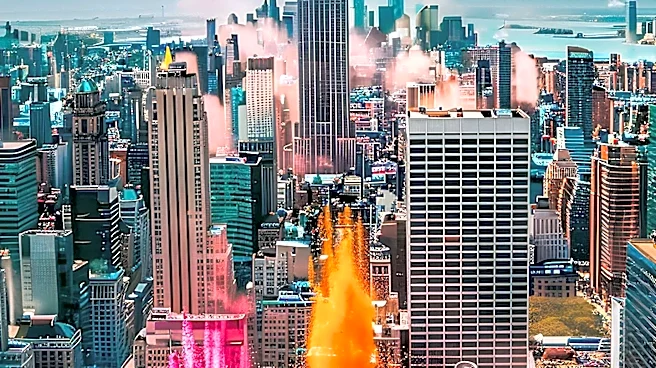






Ticker-tape parades, a unique form of urban celebration, originated in New York City and have become deeply intertwined with its identity. These parades are characterized by the showering of vast quantities of paper scraps from office buildings along the parade route, creating a triumphant, snowstorm-like effect. While the technology behind the original "ticker tape" has long been obsolete, the tradition of these celebratory processions continues,
albeit with modern paper waste. The history of these parades is a fascinating journey through significant moments in American history, honoring heroes and marking pivotal events, primarily within the bustling streets of New York.
Origins and Early Celebrations
The concept of the ticker-tape parade began spontaneously in New York City on October 28, 1886, during the inauguration of the Statue of Liberty. This impromptu celebration quickly demonstrated the potential for such events, and city officials soon recognized their utility for marking special occasions. The term "ticker tape" itself refers to the paper strips used by ticker-tape machines, which provided stockbrokers with updated news from the stock market. The machines made a distinctive "ticker" sound as they printed, giving the paper its name.
Following this initial spontaneous event, New York City began to organize ticker-tape parades for various triumphant occasions. Early honorees included prominent figures like Theodore Roosevelt, upon his return from an African safari, Gertrude Ederle, after her historic swim across the English Channel, and Charles Lindbergh, following his groundbreaking transatlantic flight. The very first individual to be formally honored with a ticker-tape parade was Admiral George Dewey, the hero of the Battle of Manila Bay, in 1899. This event drew an astonishing two million people to New York City, underscoring the parades' immediate popularity and significance.
Post-War Heroes and the Canyon of Heroes
After World War II, ticker-tape parades were frequently held to honor victorious generals and admirals. Notable recipients included General Dwight D. Eisenhower and Admiral Chester Nimitz, figures who played crucial roles in the war effort. Later, General Douglas MacArthur received one of the longest and largest ticker-tape parades in 1951, following his relief by President Harry S. Truman. Astronaut John Glenn was also honored with a major parade in 1962, reflecting the nation's fascination with space exploration.
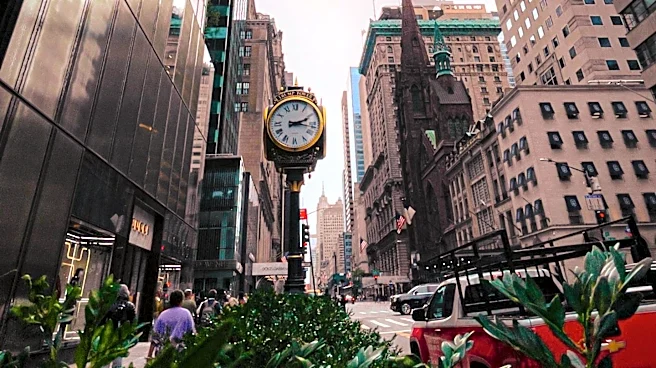
The traditional route for these parades in New York City runs through the financial district along a section of Broadway, colloquially known as the "Canyon of Heroes." This stretch of road has become synonymous with these grand celebrations. Since the early 2000s, the Alliance for Downtown New York has commemorated each parade with granite strips embedded in the sidewalks along this route. These eight-inch-wide and three-inch-deep granite markers, featuring two-inch stainless steel letters, are inscribed with the date of the parade and a brief description, serving as a permanent record of over 200 such events.
Evolution and Modern Practice
The technology of ticker tape became obsolete in the 1960s, as television and computers took over the transmission of financial information. However, the parades themselves adapted. Modern ticker-tape parades now utilize office paper waste, old telephone directories, and even toilet paper, which is cut into confetti using conventional shredders. The city also contributes paper confetti for these occasions. By the early 21st century, these parades became much less frequent, primarily reserved for celebrations of championship sports teams and the return of astronauts and military troops. This shift highlights a change in the types of achievements deemed worthy of such a grand public spectacle, yet the tradition of showering heroes with paper in the "Canyon of Heroes" remains a powerful symbol of public acclaim in New York City.