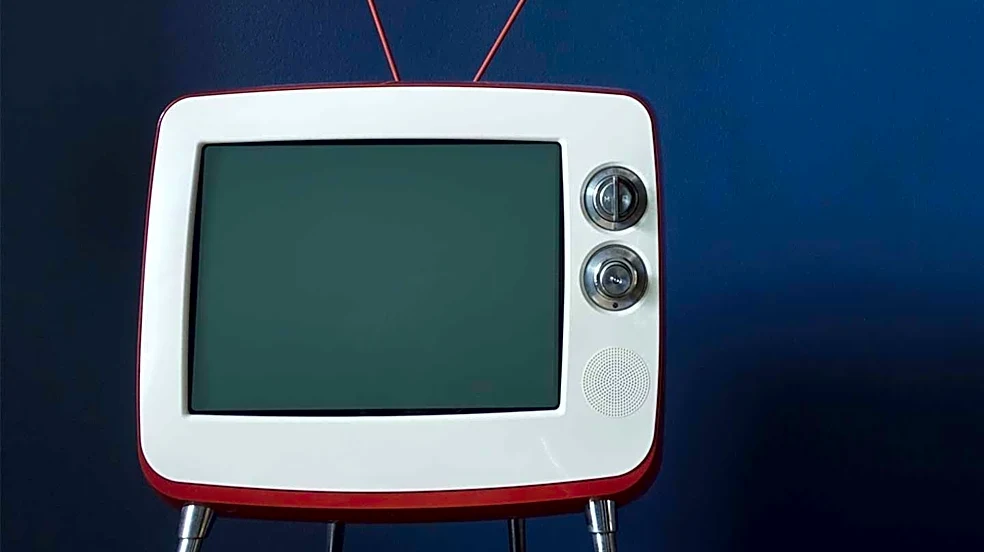




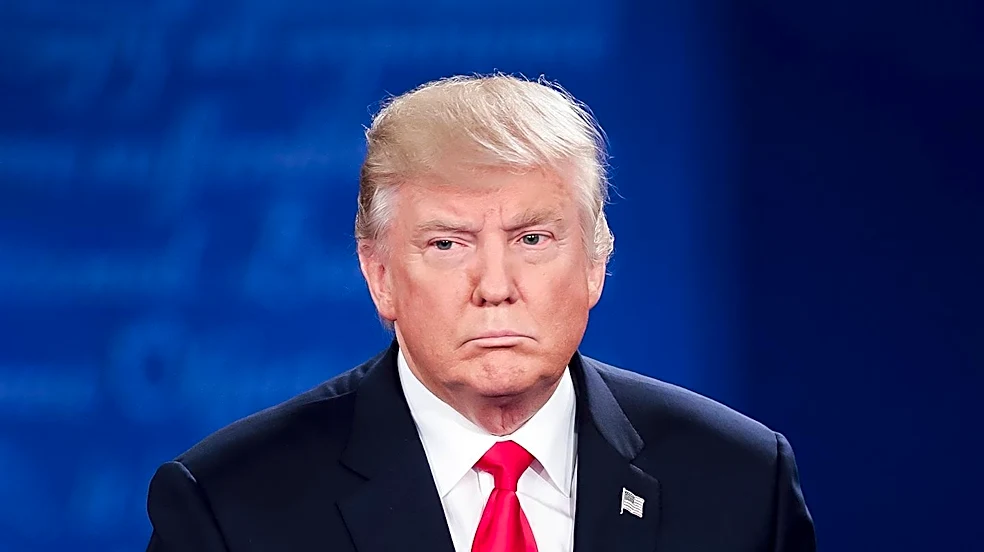

The 1960 United States presidential debates were not just a series of policy discussions; they were a groundbreaking television event that profoundly influenced the election's outcome and public perception of the candidates. As the first televised presidential debates in U.S. history, they introduced a new dimension to political campaigning, where a candidate's appearance and demeanor on screen became as crucial as their spoken words. This shift from
radio to television fundamentally altered how Americans consumed political information and evaluated their leaders, setting a precedent for all future presidential campaigns.
Nixon's Televised Misstep
The visual aspect of the first debate, held on September 26, 1960, proved particularly challenging for Republican nominee Richard Nixon. Despite his extensive political experience, Nixon made a critical error by refusing make-up for the broadcast. This decision had immediate and noticeable consequences on black-and-white television screens, which were prevalent at the time. His facial stubble showed prominently, and he began sweating under the intense studio lights. Furthermore, his light gray suit blended into the backdrop of the set, making him appear less distinct and, to some viewers, even sickly. His mother reportedly called him after the debate to ask if he was unwell, and Chicago Mayor Richard J. Daley famously remarked, "My God, they’ve embalmed him before he even died."
Nixon later attributed his poor performance, in part, to a staph infection that required hospitalization after he hit his knee on a car door in Greensboro, North Carolina, prior to the debate. Regardless of the underlying cause, his visual presentation on television created a stark contrast with his opponent, John F. Kennedy, who appeared composed and well-groomed. This incident highlighted the nascent power of television to shape public opinion through visual cues, demonstrating that a candidate's image could be as persuasive, or detrimental, as their policy positions.
Kennedy's Televised Advantage
In contrast to Nixon, John F. Kennedy's appearance on television was widely perceived as more favorable. His youthful vigor and polished presentation resonated well with the television audience. While those who listened to the debates on radio often felt Nixon had performed better, television viewers tended to favor Kennedy. This divergence underscored the medium's transformative effect. The debates were not merely about what was said, but how it was seen and felt by the audience.
The 1960 debates also marked the first time "split screen" images were used by a network, further enhancing the visual experience for viewers. This technological innovation allowed audiences to see both candidates simultaneously, even when they were in different locations, as was the case for the third debate. The overall impact of these televised encounters was immense, demonstrating that in the television age, a candidate's behavior and appearance during a debate could indeed alter the outcome of an election. The 1960 debates thus became a landmark event, forever changing the landscape of American political campaigning.