




Dim sum is a beloved culinary tradition originating from Cantonese cuisine, known for its variety of small dishes served during breakfast or brunch. This practice is not just about the food; it is a social experience that brings people together over a shared meal. Dim sum includes a wide range of dishes, from dumplings to buns, each offering a unique taste and texture.
The Essence of Dim Sum
Dim sum is more than just a meal; it is a cultural experience deeply rooted in Cantonese
tradition. Typically enjoyed in the morning to early afternoon, dim sum is a time for family and friends to gather and enjoy a variety of small dishes. These dishes range from sweet to salty, incorporating meats, vegetables, seafood, and fruits. The communal aspect of dim sum is emphasized by the way it is served—often in small portions on shared plates, encouraging diners to sample a bit of everything.
The tradition of dim sum is closely linked to yum cha, which means "drink tea" in Cantonese. This practice involves enjoying dim sum dishes alongside hot tea, creating a harmonious balance of flavors. The tea not only complements the food but also aids in digestion, making it an integral part of the dim sum experience.
A Variety of Flavors and Textures
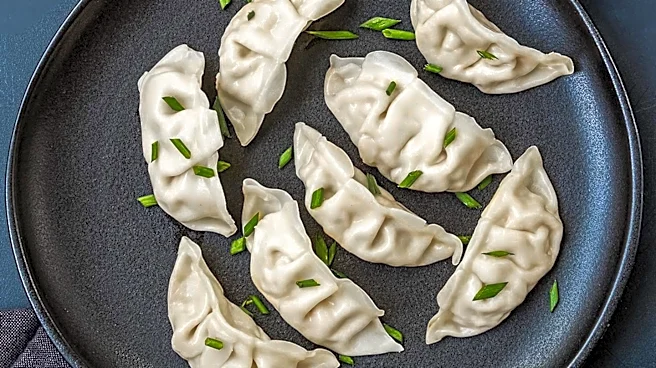
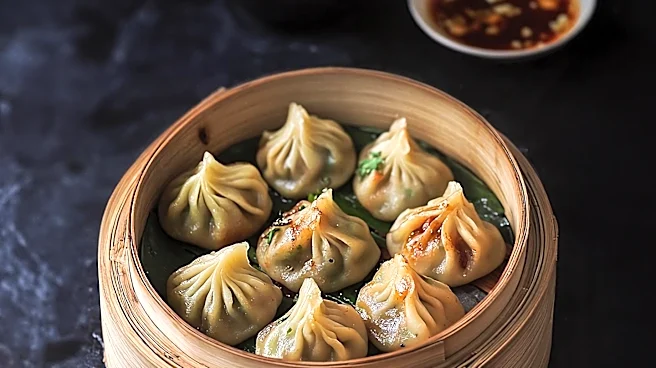
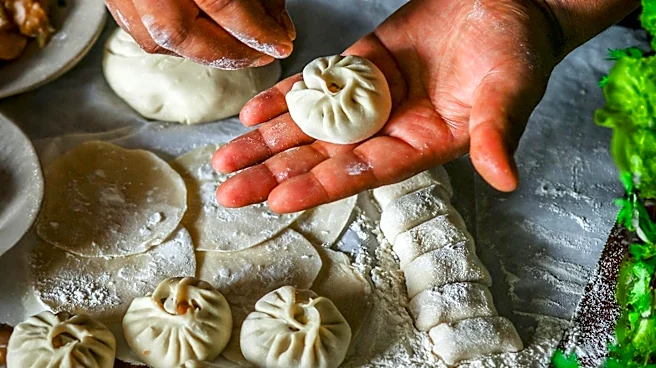
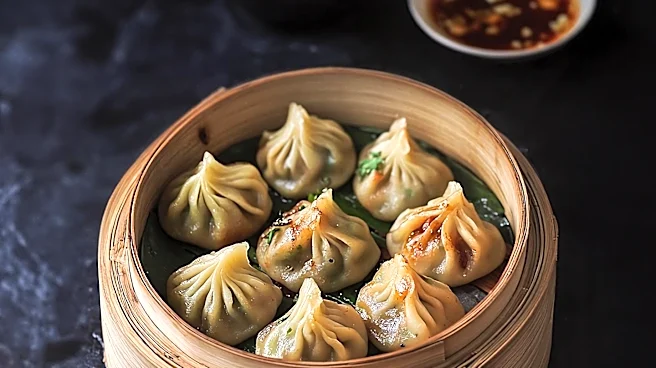
Dim sum offers a diverse array of flavors and textures, making it a culinary adventure for those who partake. The dishes can be steamed, pan-fried, or deep-fried, each method bringing out different qualities in the food. Dumplings, a staple of dim sum, are often filled with shrimp, pork, or vegetables, wrapped in delicate skins that burst with flavor upon each bite.
Buns are another popular dim sum item, often filled with barbecued pork or sweet custard. These soft, fluffy buns provide a comforting contrast to the more savory dumplings. Other dim sum dishes include rice noodle rolls, which are silky and smooth, often served with a savory soy sauce.
The Social Aspect of Dim Sum
The social aspect of dim sum is as important as the food itself. Traditionally, dim sum is enjoyed in bustling restaurants where servers push carts filled with various dishes, allowing diners to choose what they want to try. This lively atmosphere is part of the charm, as diners engage in conversation and share their selections.
Dim sum is not just a meal; it is a way to connect with others and enjoy a shared experience. Whether in a traditional setting or a modern restaurant, the essence of dim sum remains the same—bringing people together over delicious food and tea.