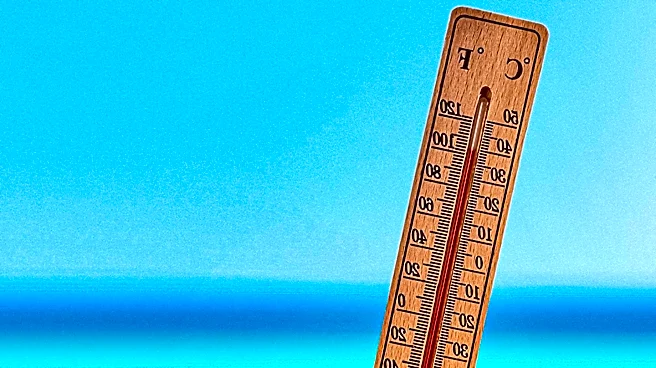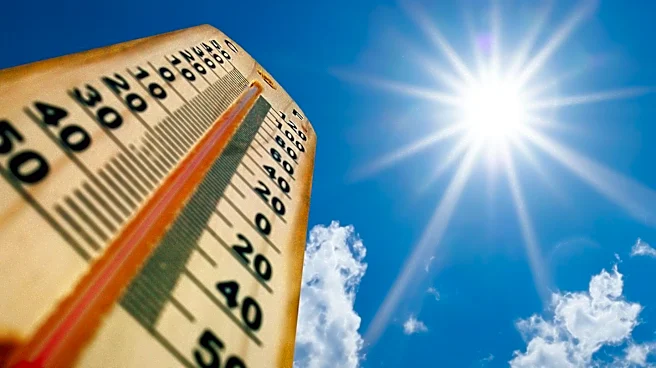










In 2024, North America faced one of its most severe heat waves, starting in March and lasting until September. This period was marked by record-breaking temperatures and significant impacts on both human life and the environment. The heat waves affected Mexico, the United States, and Central America, leading to numerous challenges and highlighting the growing concerns over extreme weather events.
March to May: The Onset of Heat
The heat waves began on March 17, 2024, affecting Mexico,
the Southern and Western United States, and Central America. As temperatures soared, dozens of records were broken, and the heat began to take a toll on both people and wildlife. In Mexico, a heat dome formed over the Southern Gulf and the country itself, leading to record high temperatures in ten cities. By May 25, Mexico City recorded a high of 34.7°C (94.5°F), while San Juan Bautista Valle Nacional in Oaxaca reached 48°C (118°F), the highest ever recorded in the state.
The persistently high temperatures, combined with lighter seasonal rainfall, increased the risk of water shortages and power blackouts. The lack of water affected energy production from hydroelectric dams, further complicating the situation. By the end of May, the heat waves had already claimed over 155 lives in Mexico, with thousands more suffering from heat-related ailments.
June to July: Record Temperatures and Rising Death Toll
As the heat waves continued into the summer months, the situation worsened. On July 5, Palm Springs, California, reached 124°F (51°C), breaking the city's highest temperature record. The following day, Redding, California, saw temperatures of 119°F (48.3°C), another all-time high. Las Vegas, Nevada, also broke its record on July 7, with temperatures reaching 120°F (49°C).
The extreme heat led to a significant increase in heat-related deaths. By July, Phoenix, Arizona, had reported 13 confirmed heat-related deaths, with 160 more unconfirmed. Across the United States, over 1,000 people lost their lives due to the heat waves, highlighting the severe impact of these extreme weather events.
August to September: The Heat Persists
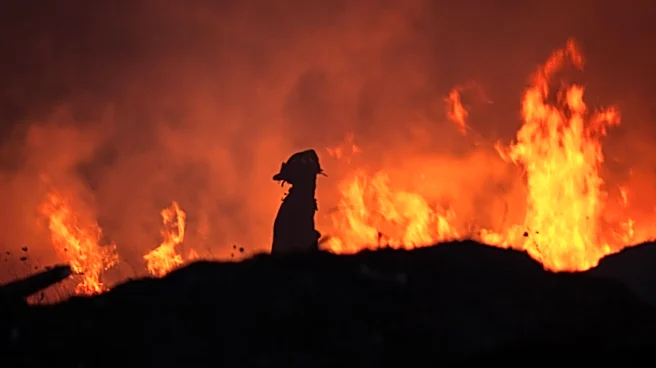
The heat waves persisted into late summer, continuing to affect daily life and the environment. Water shortages became more pronounced, and forest fires increased in frequency and intensity. The prolonged heat also led to mass deaths of animals from several threatened species, further emphasizing the environmental impact of the heat waves.
By the end of September, the heat waves had claimed over 2,000 lives across North America, with significant losses reported in both the United States and Mexico. The events of 2024 served as a stark reminder of the growing threat of extreme weather and the need for increased preparedness and adaptation strategies.