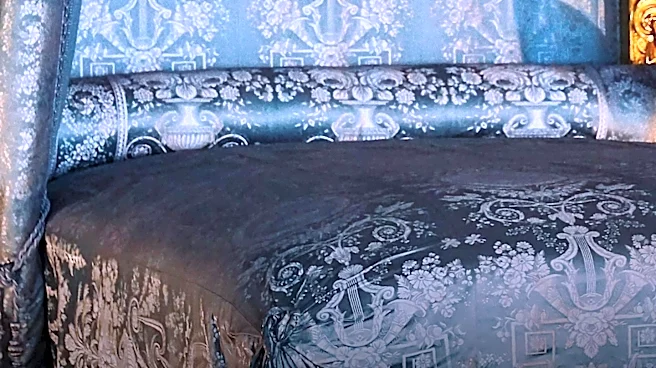

Drapery has long been a significant element in both art and fashion, serving as a testament to the evolution of style and technique over centuries. From ancient Greek sculptures to modern fashion runways,
the way fabric falls and folds has been a subject of fascination and creativity. This article delves into the historical journey of drapery, highlighting its artistic and cultural significance.
Ancient Beginnings
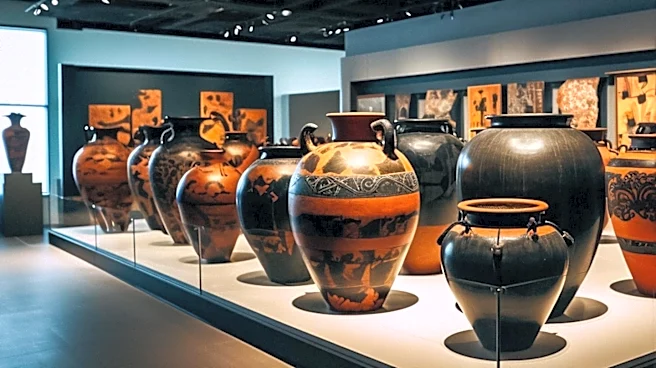
The concept of drapery can be traced back to ancient civilizations, where it played a crucial role in both art and daily life. In ancient Greece, drapery was not just a practical aspect of clothing but also an artistic expression. Greek vase-painters and sculptors of the fifth century BC reimagined drapery as an adjunct to the human form, particularly the female form. The depiction of flowing garments in art emphasized the natural contours and movements of the body, creating a dynamic interplay between fabric and form.
This artistic tradition continued through the Roman era, where draped garments were prevalent in sculptures and paintings. The Romans, much like the Greeks, appreciated the aesthetic appeal of drapery, using it to convey movement and emotion in their art. Drapery became a symbol of elegance and sophistication, a theme that persisted through the ages.
Renaissance Revival
The Renaissance period marked a significant revival of interest in classical art forms, including drapery. Artists of this era, inspired by ancient prototypes, incorporated drapery into their works to add depth and realism. The Renaissance saw a shift towards tighter-fitting clothing styles, yet drapery remained a prominent feature in art, often used decoratively in grand portraits.
During this time, drapery was not only a stylistic choice but also a technical challenge for artists. The ability to depict the intricate folds and textures of fabric became a measure of an artist's skill. Drapery in Renaissance art served to enhance the narrative, drawing attention to the subjects and their surroundings.
Modern Interpretations
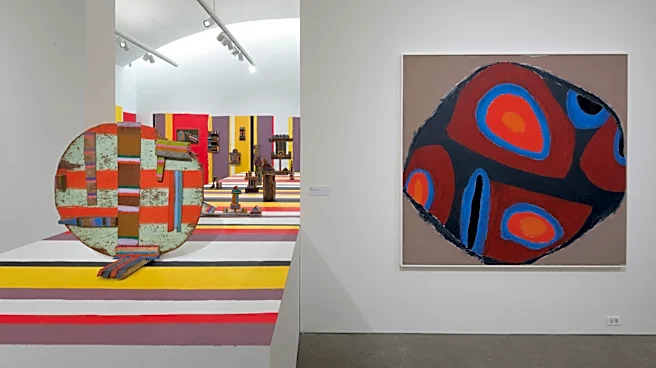
In the modern era, drapery continues to influence both art and fashion. The late 1960s and 1970s saw the emergence of draped paintings, a style popularized by artists like Sam Gilliam. These works, characterized by their large, unstretched canvases, challenged traditional notions of painting and sculpture, blurring the lines between the two.
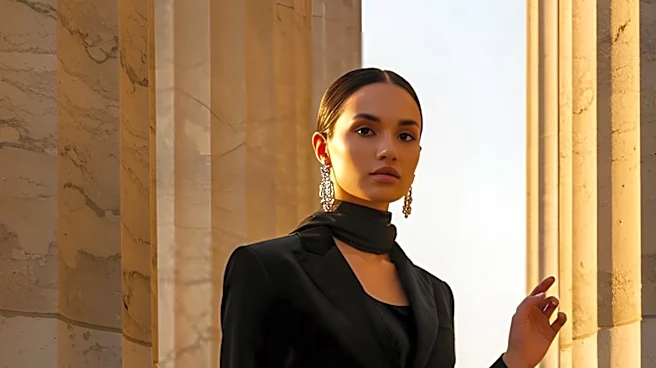
In fashion, drapery remains a timeless element, celebrated for its ability to create fluid, elegant silhouettes. Designers often use draping techniques to craft garments that move gracefully with the body, echoing the ancient traditions of Greek and Roman attire.
Drapery's enduring presence in art and fashion underscores its versatility and timeless appeal. Whether in the folds of a classical sculpture or the flowing lines of a modern gown, drapery continues to captivate and inspire, bridging the past and present in a seamless tapestry of creativity.