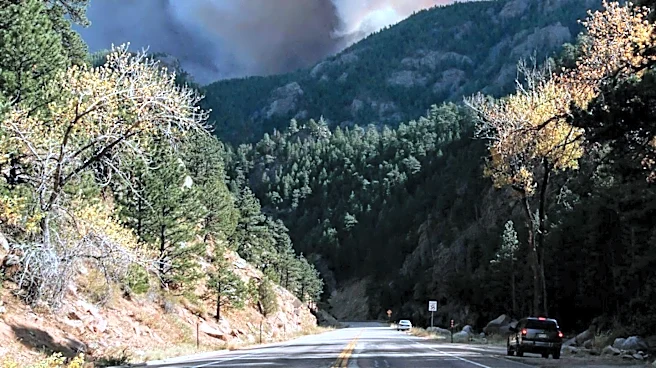





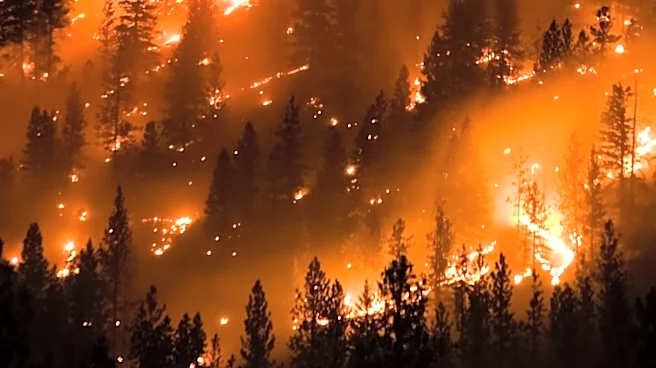
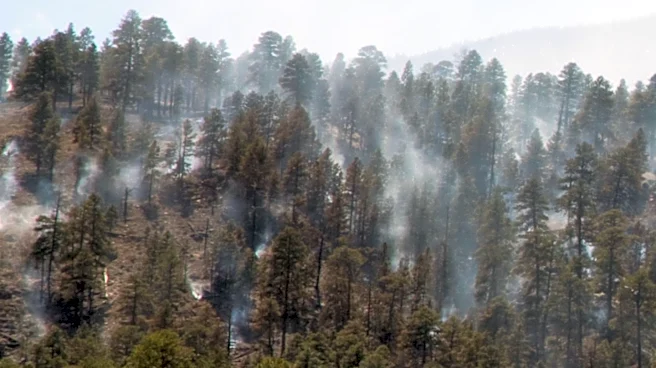
The Yellowstone fires of 1988 were not merely a natural disaster; they became a pivotal moment that forced a re-evaluation of fire management policies within the National Park Service. The sheer scale of the conflagration, which affected approximately 36 percent of Yellowstone National Park, sparked widespread debate and criticism. This unprecedented event, the largest wildfire in the park's recorded history, highlighted the complexities of managing
natural ecosystems and the powerful influence of environmental factors like severe drought and high winds. The public and media response further intensified the scrutiny, leading to a critical examination of established practices.
The Unprecedented Scale and Response
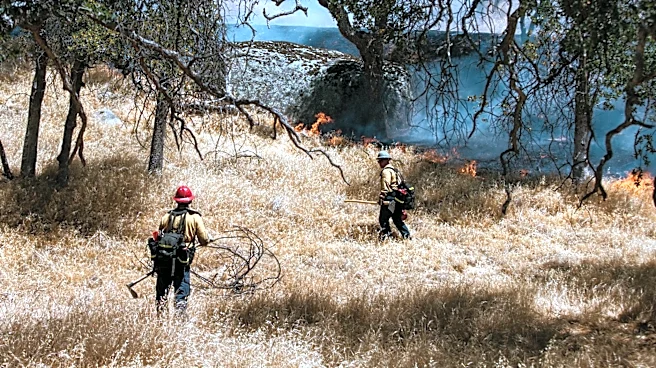
Starting as smaller, individual fires, the blazes quickly grew out of control, fueled by increasing winds and a severe drought across the Western United States. This combination led to a massive conflagration that burned for several months. The intensity of the fires necessitated an enormous response, with thousands of firefighters deployed to the park. At the peak of the effort, over 9,000 firefighters were assigned to Yellowstone, supported by dozens of helicopters and fixed-wing aircraft used for water and fire retardant drops. This massive mobilization underscored the gravity of the situation and the challenge of containing such a widespread natural event.
The fires' proximity to major visitor destinations, which were almost destroyed, and the historic closure of the entire park to non-emergency personnel on September 8, 1988, further amplified the sense of crisis. This closure marked the first time in the park's history that such a measure was taken, signaling the extraordinary nature of the threat. The eventual end of the fires came not from human intervention alone, but from the arrival of cool and moist weather in the late autumn, which finally brought the extensive burning to a halt.
Scrutiny of Existing Policies and Media Influence
The Yellowstone fires of 1988 were unprecedented in the history of the National Park Service, and their aftermath led to significant questioning of existing fire management policies. Prior to 1988, there was a growing understanding of the ecological role of fire in natural landscapes, leading to policies that sometimes allowed natural fires to burn under certain conditions. However, the scale and intensity of the 1988 fires, exacerbated by extreme drought, challenged these approaches and ignited public concern.
Media accounts played a substantial role in shaping public perception, often being sensational and, at times, inaccurate. Some reports wrongly suggested that most of the park was being destroyed, contributing to a narrative of mismanagement. This media portrayal fueled the debate over whether the park service's policies had contributed to the disaster. Despite the dramatic visual impact and temporary declines in air quality during the fires, it is important to note that no adverse long-term health effects have been recorded in the ecosystem. The events of 1988 ultimately served as a profound learning experience, prompting a re-evaluation of how wildfires are understood and managed in large wilderness areas, balancing ecological needs with public safety and resource protection.