






Riverfront Stadium, later known as Cinergy Field, was a significant landmark in Cincinnati, Ohio, serving as a multi-purpose venue for both baseball and football. From its opening in 1970 until its demolition in 2002, the stadium was home to the Cincinnati Reds and the Cincinnati Bengals, witnessing numerous memorable events and transformations. This article delves into the historical development of Riverfront Stadium, highlighting its construction,
key milestones, and eventual replacement.
Construction and Early Years
Riverfront Stadium was constructed as part of a wave of multi-purpose stadiums built in the United States during the late 1960s and early 1970s. These stadiums were designed to accommodate both baseball and football games, allowing cities to save money by having their teams share a single facility. Construction of Riverfront Stadium began on February 1, 1968, and was completed at a cost of less than $50 million. The stadium officially opened on June 30, 1970, with a game between the Cincinnati Reds and the Atlanta Braves.
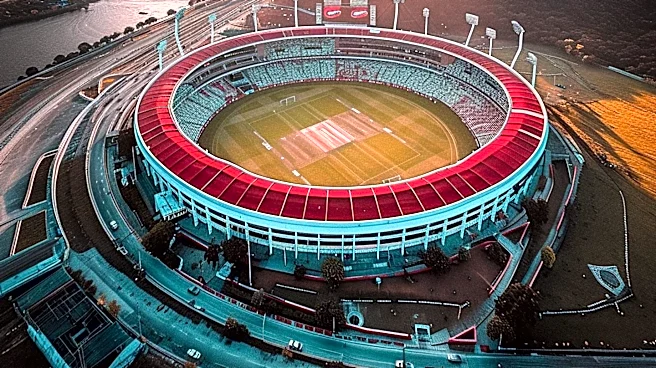
The stadium's design was typical of the era, featuring a circular, "cookie-cutter" layout that was common among multi-purpose venues. This design allowed for easy conversion between baseball and football configurations, although it often led to criticism for lacking the charm and character of older, single-purpose stadiums.
Key Milestones and Events
Riverfront Stadium quickly became a central part of Cincinnati's sports culture. It hosted the 1970 Major League Baseball All-Star Game, which is remembered for the dramatic collision at home plate between Pete Rose and Ray Fosse. The stadium was also the site of the "Big Red Machine," the nickname for the dominant Reds teams of the 1970s that won multiple National League pennants and World Series titles.
In addition to baseball, Riverfront Stadium was home to the Cincinnati Bengals from 1970 to 1999. One of the most memorable football games played at the stadium was the 1981 AFC Championship Game, known as the "Freezer Bowl," where the Bengals defeated the San Diego Chargers in frigid conditions to advance to the Super Bowl.
Transition and Demolition
By the 1990s, the trend of multi-purpose stadiums was waning, and teams began seeking venues that offered more modern amenities and a better fan experience. In 1996, Riverfront Stadium was renamed Cinergy Field as part of a sponsorship deal. However, plans were already underway to replace it with separate stadiums for the Reds and Bengals.
The Cincinnati Bengals moved to Paul Brown Stadium in 2000, and the Reds played their final game at Riverfront Stadium in September 2002. The stadium was demolished by implosion on December 29, 2002, making way for the construction of Great American Ball Park, which opened in 2003. Today, the site is home to the Great American Ball Park and the National Underground Railroad Freedom Center, preserving the legacy of Riverfront Stadium as a cherished part of Cincinnati's sports history.