







Cleveland Stadium, often referred to as Municipal Stadium, was more than just a sports venue; it was a cultural landmark in Cleveland, Ohio. From its opening in 1931 to its demolition in 1996, the stadium hosted a variety of events that brought together sports fans and music lovers alike. This article explores the cultural and social impact of Cleveland Stadium, highlighting its role as a hub of entertainment.
A Gathering Place for Sports Fans
Cleveland Stadium was home to the Cleveland Indians
and the Cleveland Browns, serving as a central gathering place for sports enthusiasts. The stadium's large capacity allowed for record-breaking attendance, particularly during the Indians' successful 1948 season. Fans flocked to the stadium to witness historic games, including the 1948 World Series, where the Indians clinched the championship.
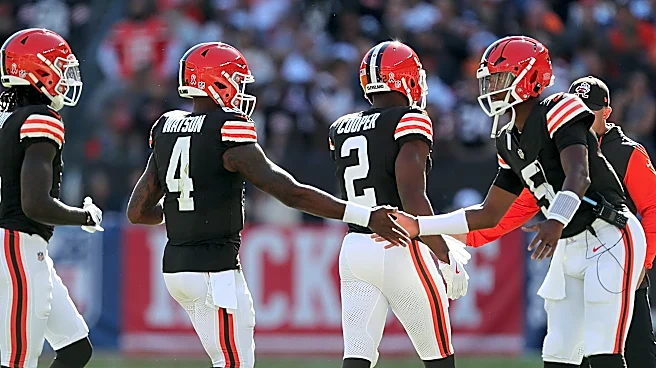
The stadium's design, while challenging for baseball, provided ample space for football games. The Cleveland Browns played at the stadium from 1946 to 1995, contributing to the venue's reputation as a football powerhouse. The stadium hosted multiple NFL Championship Games, further cementing its status as a key player in the sports world.
A Stage for Music and Entertainment
Beyond sports, Cleveland Stadium was a popular venue for concerts and entertainment events. The World Series of Rock, held from 1974 to 1980, attracted thousands of music fans to the stadium. These day-long concerts featured popular rock bands and were known for their lively atmosphere and large crowds.
The stadium's ability to host such events showcased its versatility and appeal as an entertainment venue. Despite challenges with field conditions, the concerts were a significant part of the stadium's legacy, drawing fans from across the region and contributing to Cleveland's cultural scene.
Legacy and Impact
Cleveland Stadium's impact extended beyond the events it hosted. It was a symbol of community and shared experiences, bringing people together for sports and music. The stadium's proximity to Lake Erie added to its charm, although it also brought challenges with cold winds and swarms of insects during games.
The stadium's demolition in 1996 marked the end of an era, but its legacy lives on through memories of iconic games and concerts. Cleveland Stadium played a crucial role in shaping the city's identity, serving as a testament to the power of sports and entertainment in bringing people together. Its history reflects the dynamic nature of venues and their ability to influence cultural and social landscapes.