






Franklin D. Roosevelt's decision to run for a third term in 1940 marked a significant moment in U.S. political history. Breaking with the tradition set by George Washington, Roosevelt's third term was driven by the unique challenges of the time, particularly the looming threat of global conflict. This article explores the circumstances and implications of Roosevelt's unprecedented third term.
The Decision to Run Again
In the lead-up to the 1940 election, there was considerable
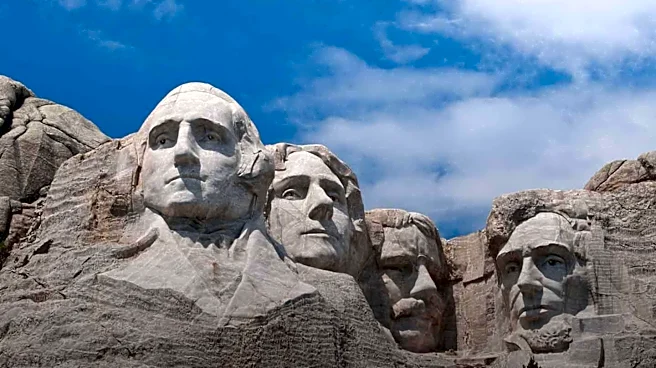
speculation about whether Roosevelt would seek a third term. Traditionally, U.S. presidents had adhered to a two-term limit, a precedent established by George Washington. However, the global situation in 1940 was anything but traditional. With Nazi Germany's aggressive expansion in Europe, Roosevelt felt that his experience and leadership were crucial for guiding the nation through the impending crisis.
Roosevelt's decision was not made lightly. He faced opposition from within his own party, with figures like Vice President John Nance Garner and Postmaster General James Farley considering their own bids for the Democratic nomination. Despite this, Roosevelt's belief in the necessity of his leadership during such a critical time ultimately led him to pursue a third term.
The 1940 Election Campaign
The 1940 election saw Roosevelt facing off against Republican candidate Wendell Willkie. Willkie, a businessman with no prior political experience, emerged as a dark horse candidate, appealing to those who were wary of Roosevelt's New Deal policies and his decision to run for a third term. Despite this, Roosevelt's campaign focused on his experience and the need for continuity in leadership during a time of global instability.
Roosevelt's choice of Henry A. Wallace as his running mate was also significant. Wallace, a former Republican and Secretary of Agriculture, was seen as a progressive choice, appealing to the more liberal elements of the Democratic Party. Despite some controversy surrounding Wallace's personal beliefs, Roosevelt's insistence on his candidacy helped secure the Democratic ticket.
The Impact of a Third Term
Roosevelt's victory in the 1940 election set a new precedent in American politics. His third term was marked by significant events, including the U.S. entry into World War II following the attack on Pearl Harbor. Roosevelt's leadership during the war was pivotal, as he worked to mobilize the nation and forge alliances with other Allied powers.
The decision to run for a third term also had lasting implications for the presidency. It highlighted the flexibility of the U.S. political system in times of crisis, while also sparking debates about the concentration of power in the executive branch. Roosevelt's third term ultimately paved the way for the 22nd Amendment, which formally limited presidents to two terms in office.