









Lithium-ion batteries have revolutionized the way we use and interact with technology. From powering portable electronics to enabling the rise of electric vehicles, these batteries have had a profound impact on multiple industries. This article delves into the transformative effects of lithium-ion batteries on modern technology and their role in shaping the future.
Revolutionizing Consumer Electronics
The introduction of lithium-ion batteries in the early 1990s marked a significant shift
in the consumer electronics industry. Their high energy density and long cycle life made them ideal for portable devices, leading to the proliferation of laptops, smartphones, and tablets. Unlike previous battery technologies, lithium-ion batteries offered a lightweight and rechargeable solution, which was crucial for the development of compact and efficient electronic devices.
As a result, consumer electronics became more accessible and versatile, with longer battery life and faster charging times. This transformation not only enhanced user experience but also spurred innovation in device design and functionality, paving the way for the digital age.
Driving the Electric Vehicle Revolution
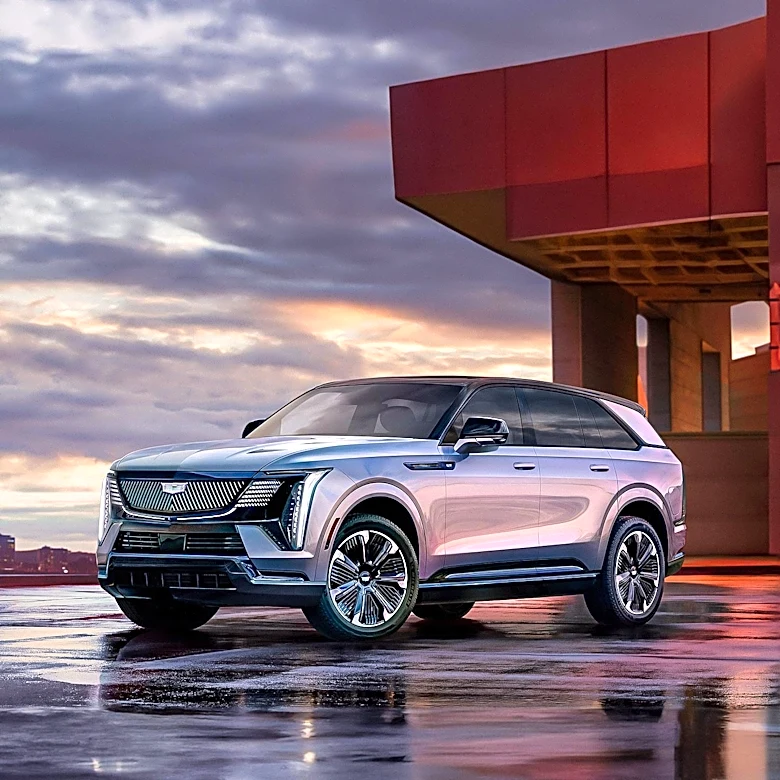
Lithium-ion batteries have been instrumental in the advancement of electric vehicles (EVs). Their ability to store large amounts of energy in a compact form has made them the preferred choice for EV manufacturers. The improvements in energy density and cost reduction over the years have made electric vehicles more viable and attractive to consumers.
The shift towards electric transportation is driven by the need to reduce greenhouse gas emissions and dependence on fossil fuels. Lithium-ion batteries have enabled this transition by providing the necessary energy storage capabilities for long-range and high-performance electric vehicles. As a result, the automotive industry is undergoing a significant transformation, with major manufacturers investing heavily in EV technology.
Enabling Renewable Energy Integration
Beyond consumer electronics and transportation, lithium-ion batteries play a crucial role in renewable energy integration. They are used for grid-scale energy storage, helping to balance supply and demand and stabilize the power grid. This capability is essential for the widespread adoption of renewable energy sources like solar and wind, which are inherently variable.
By storing excess energy generated during peak production times, lithium-ion batteries ensure a reliable and consistent power supply. This not only enhances the efficiency of renewable energy systems but also supports the transition to a more sustainable energy future. As the demand for clean energy grows, lithium-ion batteries will continue to be a key enabler of this global shift.